Mold Removal: Small Fix or Full Rebuild?
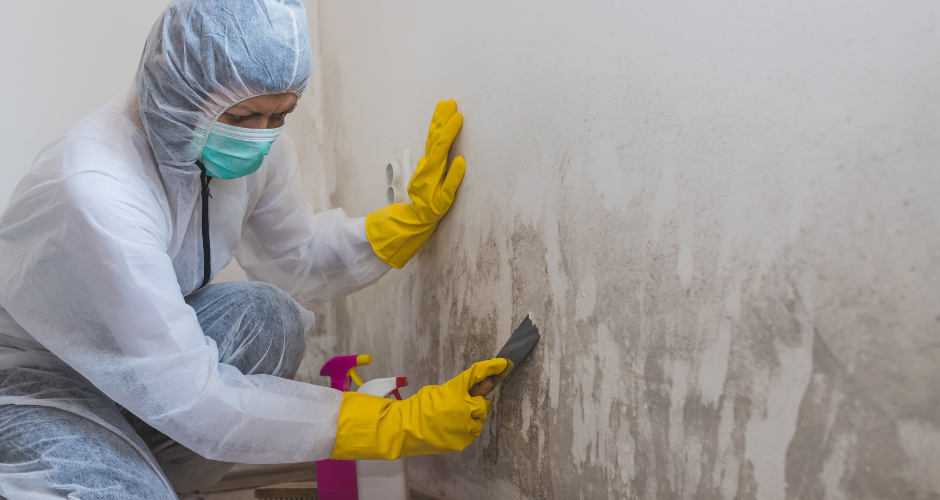
Mold removal sounds simple on paper: scrub the spot, let it dry, move on. In reality, that approach only works for the smallest and most surface-level cases. Once mildew has spread into walls, flooring, or insulation, a bigger decision has to be made: repair the area or rebuild it entirely.
How Mold Sneaks Into a Home Unnoticed
Mold rarely shows up out of nowhere. It follows moisture, and moisture usually comes from a problem that went unnoticed for weeks or months before anyone spotted a stain.
The most common sources include:
- Slow leaks under sinks or behind appliances
- Condensation buildup around poorly insulated windows
- Roof leaks that drip slowly into attic insulation
- Basement walls that absorb moisture from the soil outside
- Poor bathroom ventilation that traps steam after every shower
By the time mold becomes visible, it has often been growing behind the surface for a while. Drywall, wood framing, and insulation all soak up moisture quietly, giving mildew plenty of time to establish itself before anyone notices a smell or a stain. This is one reason homeowners are often surprised by how far mildew has spread once a wall gets opened up, even when the visible spot looked small.
Health Effects That Make Quick Action Necessary
Beyond the damage to a home's structure, mildew poses a real risk to the people living inside it. Some effects show up quickly, while others build slowly over months of exposure.
Common symptoms linked to mildew exposure include:
- Persistent coughing or sneezing
- Itchy eyes, throat, or skin
- Worsened symptoms for people with asthma
- Headaches that improve when away from the home
- Fatigue with no other clear cause
An indoor air quality specialist who inspects homes across the GTA shared a common pattern: "Families often think their allergies got worse for no reason, then we find mildew behind a wall they never suspected." That kind of hidden exposure is exactly why symptoms that seem to worsen indoors are worth investigating. Children, older adults, and anyone with respiratory conditions tend to feel these effects the fastest, which makes quick action even more important once mold is confirmed.
Mold Removal: Repair the Surface or Rebuild the Space?
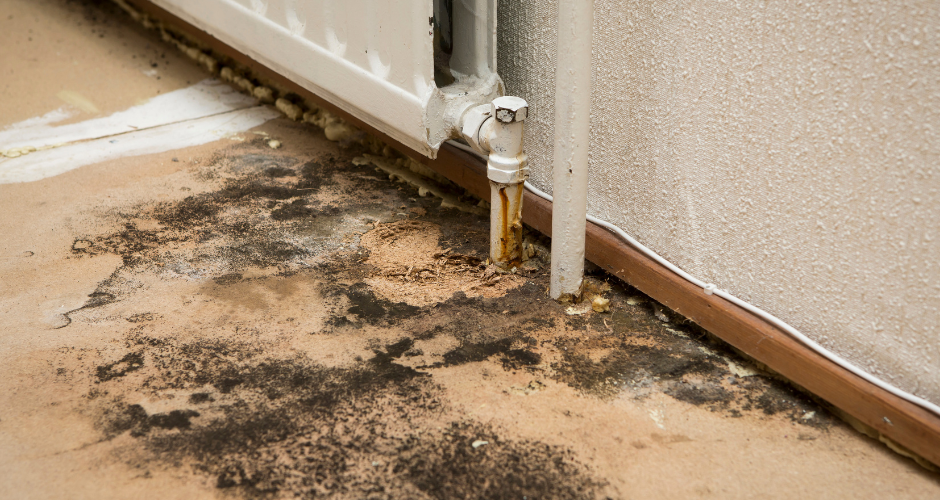
Not every mildew problem needs the same solution. Deciding between a surface repair and a full rebuild depends mostly on how far the mildew has spread and what materials it has touched.
Surface-level mold removal usually works when the affected area is small, under a square foot, and limited to non-porous surfaces like tile or glass. Anything beyond that, especially mildew inside drywall, subflooring, or wood framing, generally needs a more thorough approach. Porous materials absorb spores in a way that makes complete removal through cleaning alone nearly impossible.
A good rule of thumb: if the mildew keeps returning to the same spot after cleaning, the source of moisture or the material itself likely needs to be addressed at a deeper level. Ignoring this pattern often means dealing with the same problem again within a few months, sometimes worse than before.
When a Renovation Becomes the Better Fix
Once mildew has spread into structural materials, patch repairs rarely solve the problem for good. This is where renovation becomes the smarter long-term choice rather than a repeated cycle of cleaning and regrowth.
A full home renovation allows contractors to remove and replace damaged drywall, flooring, and insulation while addressing the root cause of the moisture problem. This might include improving basement waterproofing, upgrading bathroom ventilation, or replacing old plumbing that has been leaking slowly for years. Rebuilding the affected space properly, rather than just cleaning the surface, prevents the same mildew problem from returning down the line.
Renovating after a mold issue also gives homeowners a chance to upgrade materials to ones that resist moisture better, such as mildew-resistant drywall in bathrooms and basements. It costs more upfront than a simple clean, but it often saves money over time by avoiding repeat remediation.
Certified Remediation Versus a Quick Fix
Larger mold problems, especially those affecting more than a few square feet, call for a certified team rather than a do-it-yourself approach. Improper handling can actually make things worse by spreading spores through the air during removal.
Professional mold remediation uses containment systems and negative air pressure to keep spores from spreading to unaffected rooms while the work is being done. Contaminated materials are physically removed, since mildew that has grown into porous surfaces cannot be fully treated with cleaning products alone. Mold removal handled this way addresses both the visible problem and the hidden spores that a quick fix would likely miss.
After removal, air quality testing confirms the space is safe again. This step matters most in homes with young children, older adults, or anyone with respiratory sensitivities, since it verifies the air has actually returned to a healthy condition rather than just looking clean on the surface.
Everyday Habits That Keep Mold From Returning
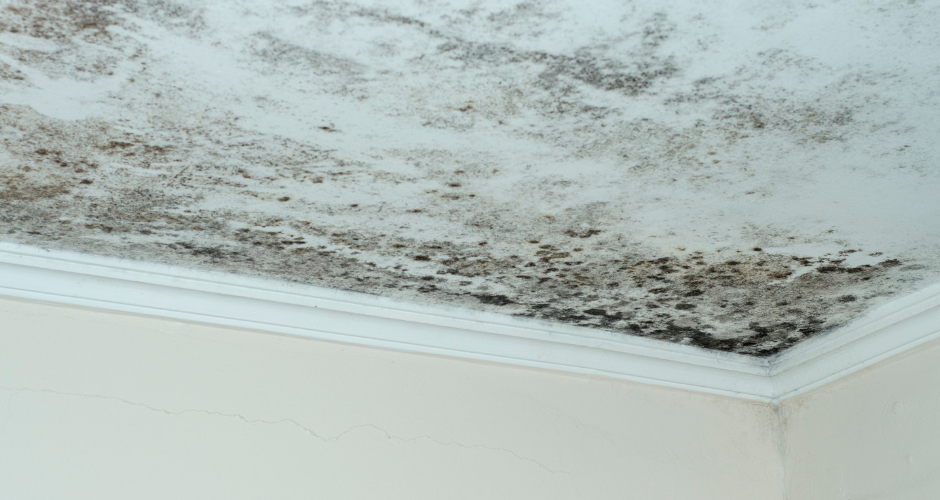
Fixing a mold problem once is only useful if it stays fixed. A few simple habits go a long way toward keeping moisture and mildew, from coming back.
Build these into a routine:
- Check under sinks and behind appliances for leaks every few months
- Run exhaust fans during and after showers
- Keep indoor humidity below 60 percent, using a dehumidifier if needed
- Inspect the roof and attic for signs of moisture after storms
- Address any water stains or musty smells right away, not later
Homeowners who stay consistent with these small checks tend to avoid the bigger, costlier problems that come from mildew left unchecked for months. A home that stays dry rarely needs a second round of mold removal, which is exactly the goal worth working toward.