Understanding Postpartum Body Image and Mental Health
Your body has done something truly extraordinary: it grew and birthed a whole human. Yet during quiet moments, you may find yourself tugging at your shirt, avoiding mirrors, or scrolling through social media wondering why you don't "look like yourself" yet.
If this feels familiar, you're not alone. The postpartum period is one of the most intense physical and emotional transitions a woman can experience. Hormonal shifts, disrupted sleep, and a body that looks and feels different almost overnight combine with a nervous system adjusting to a new role: motherhood.
Research shows a strong connection between postpartum body image and mental health. When new mothers experience high body dissatisfaction, they are more likely to face depression and anxiety. This struggle can interfere with mother-infant bonding, feeding, and even simply enjoying moments with your baby. It's not a lack of love but rather the mental space consumed by worry about your body.
This postpartum season is vulnerable. Your abdomen may feel soft, your core and pelvic floor may feel weak or "not there," and your clothes might not fit the same way. Common physical changes include:
A lingering belly or "pooch"
Stretch marks or loose skin
Changes in breast size, shape, and sensitivity
Scars from a cesarean or perineal tears
Pelvic heaviness or leaks with coughing, sneezing, or laughing
General fatigue and slower recovery than expected
These changes are all part of your body's healing journey. However, when they coincide with thoughts like, "I'm not attractive anymore," or "I should be back in my old jeans by now," it can make you feel as if something is wrong with you. In reality, you are in a season of recovery.
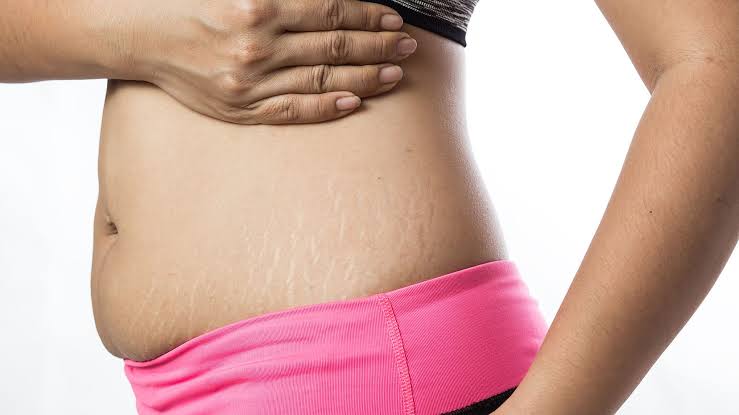
The mind-body connection here is powerful. How you perceive and speak about your postpartum body deeply influences your emotional wellbeing. Negative thoughts can feed sadness, anxiety, and shame, affecting how motherhood feels overall. Conversely, approaching your body with positive and compassionate thoughts supports emotional resilience, helps regulate your nervous system, and can protect against postpartum depression.
Besides your inner experience, societal pressures add to the challenge. Diet culture, "bounce back" stories, filtered images, and celebrity postpartum bodies create unrealistic standards nearly impossible to meet. You might feel you should:
Lose the baby weight quickly
Look toned by a certain number of weeks postpartum
Be rested, showered, and glowing with a newborn
Slip back into your pre-pregnancy jeans effortlessly
None of these is a true measure of health, motherhood, or your worth. Most women's postpartum reality looks more like:
Wearing stretchy pants and nursing bras on repeat
Leaking breasts, messy buns, and unfinished meals
Feeling proud of your body's miracle and grieving how it appears
Mixing moments of deep love with exhaustion and doubt
Your soft abdomen, stretch marks, scars, and dark circles under your eyes are not failures. They are physical proof of your body's work: healing, feeding, holding, and adapting. Naming these changes as normal rather than problems to fix quickly creates space for better mental health, self-acceptance, and safer, sustainable healing.