Street Fighter (2026) Attempts to Break the Video Game Adaptation Curse
The cinematic landscape is littered with the remnants of video game adaptations, a genre notorious for its inability to translate interactive experiences into compelling linear narratives. For decades, filmmakers have grappled with the inherent challenges of character development and plot coherence when drawing from source material primarily focused on gameplay mechanics. Street Fighter, with its deep roster of iconic characters and intricate lore, has been particularly susceptible to this struggle, having seen its fair share of misfires on the big screen. The anticipation for the 2026 iteration, therefore, was tempered by a palpable skepticism, a collective memory of past disappointments.
This new film, helmed by Gareth Evans, a director lauded for his visceral work on action-centric features like The Raid, alongside co-writer J. J. Perry, promised a different approach. The core question remained: could this creative team finally deliver an adaptation that honored the martial arts legacy while constructing a narrative robust enough to stand on its own?
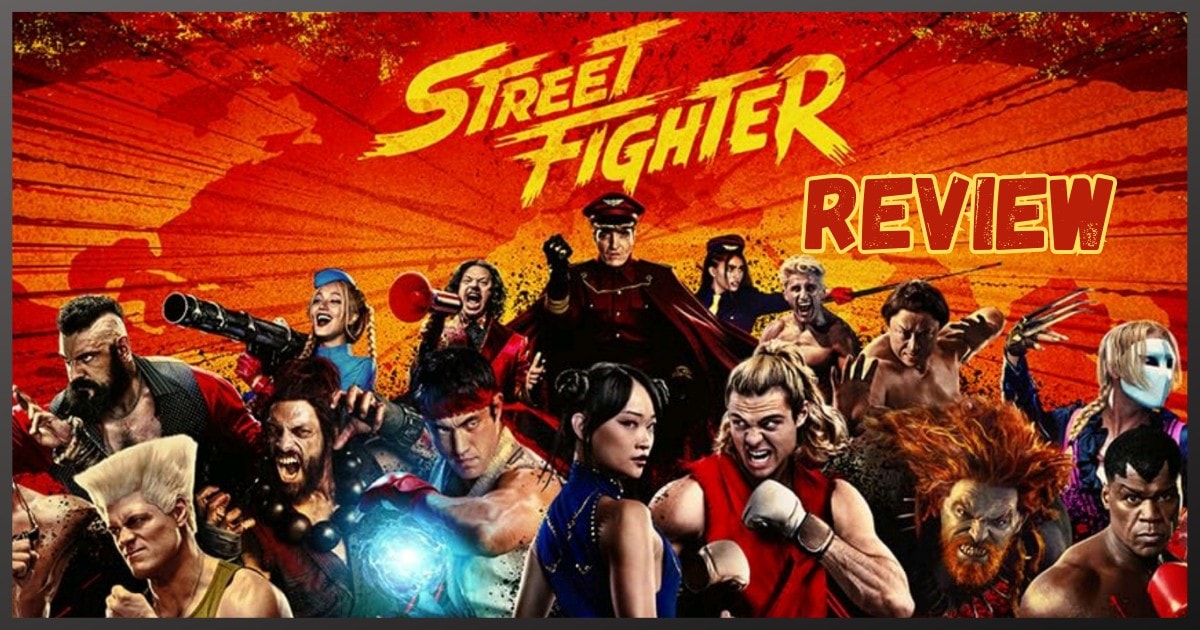
Source: thecosmiccircus.com
The film largely succeeds in delivering on its promise of high-octane martial arts, a testament to Evans's established expertise. The fight choreography is a clear highlight, showcasing a level of authenticity and brutality often absent from mainstream video game adaptations. Characters like Ryu, portrayed by Justin Chon, and Jessica Henwick's Chun-Li, are given ample opportunity to demonstrate their formidable skills, executing sequences that feel both inventive and faithful to their on-screen counterparts. Ken Leung’s M. Bison, a character crucial to the franchise’s gravitas, manages to project a suitable menace, grounding the fantastical elements in a palpable threat.
However, while the action is undeniably spectacular, the narrative occasionally struggles to keep pace. The screenplay, co-written by Evans and Perry, makes a commendable effort to weave together disparate character arcs, aiming for a broader appeal beyond mere fan service. Yet, the sheer volume of characters, a direct consequence of the game’s extensive roster, often results in several feeling underdeveloped. While some iconic moves and character traits are integrated with clever reverence, the broader plot, though more coherent than previous attempts, occasionally sacrifices emotional depth for the sake of covering expansive ground. This ambition to include so much, while understandable, sometimes diffuses the focus.
Ultimately, Street Fighter (2026) represents a significant, if imperfect, stride forward for video game adaptations. It stands as a compelling argument that with the right directorial vision and a genuine understanding of combat mechanics, these properties can indeed transcend their digital origins. It does not entirely escape the inherent pitfalls of its genre, particularly in its struggle to balance narrative breadth with character intimacy, but it offers enough exhilarating action and solid performances to register as a commendable effort. It earns its place as one of the stronger entries in a historically uneven category, proving that while perfection remains elusive, progress is certainly attainable.
Inspired by: https://thecosmiccircus.com/street-fighter-movie-review-2026/