Thirty-Three Years On: The Enduring Questions of *Boy Meets World*
The television landscape of the 1990s was a fertile ground for sitcoms exploring the nuances of adolescence, yet few captured the transition from childhood innocence to young adulthood with the earnestness and intellectual curiosity of Boy Meets World. Premiering three decades and three years ago, on September 24, 1993, the series, created by Michael Jacobs and April Kelly, embarked on a remarkable seven-season journey that chronicled the life of Cory Matthews and his friends and family. Its unique blend of humor, heart, and surprisingly weighty philosophical discussions distinguished it from its contemporaries, establishing it as a foundational text for a generation coming of age.
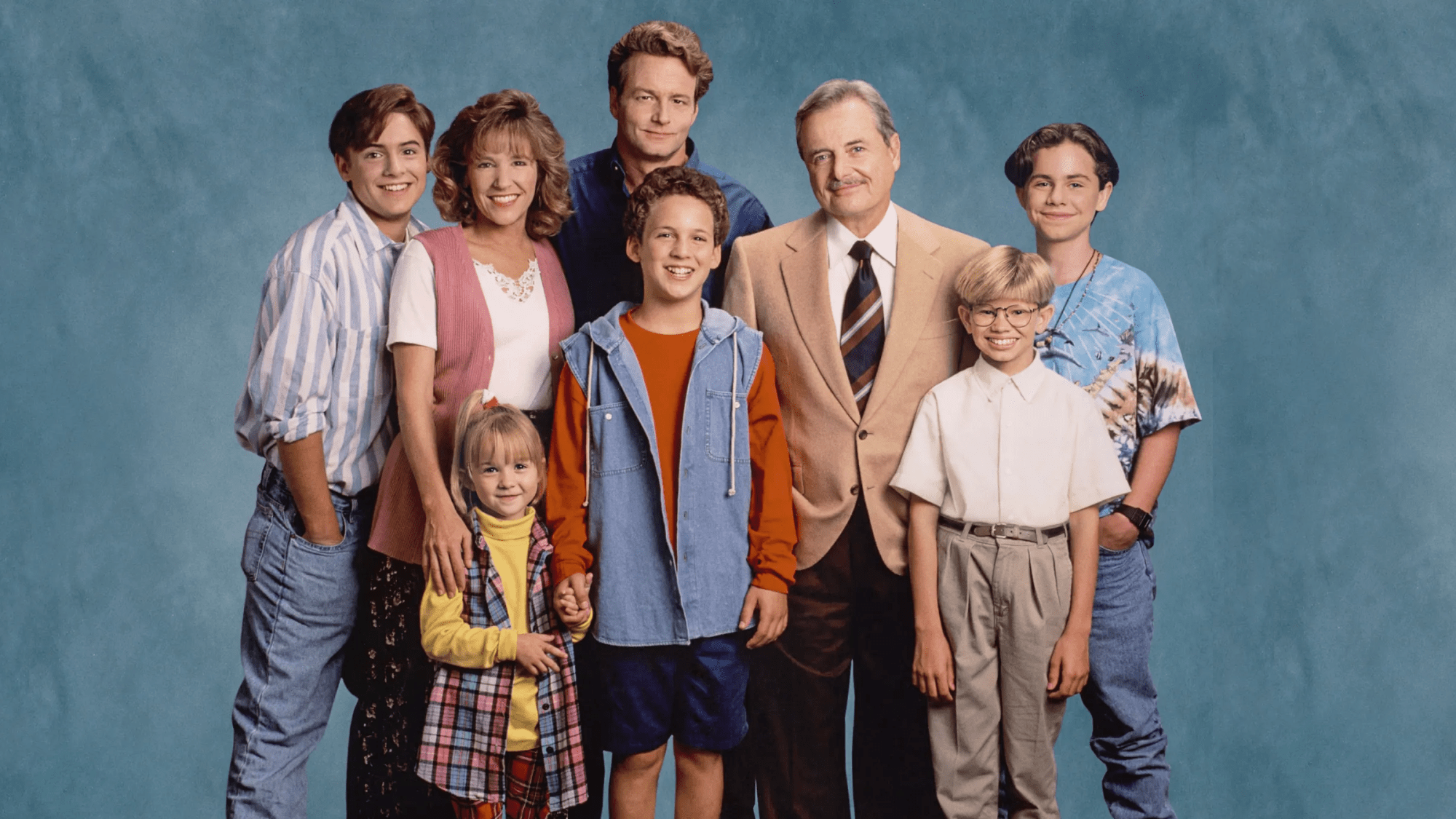
Source: comicbook.com
Beyond its central focus on Cory’s developing relationship with Topanga Lawrence, the series delved into the complex lives of supporting characters, notably Shawn Hunter, whose turbulent home life provided a stark contrast to Cory's suburban stability. While the show skillfully navigated many pivotal life events—first loves, high school graduations, college anxieties, and even early career decisions—it also became a repository of narrative threads that, upon reflection, remained curiously open-ended. The long-term trajectory of Shawn, for instance, a character whose search for belonging and identity was a driving force throughout the series, often left audiences speculating. His final choices, while poignant, offered more of a hopeful trajectory than a definitive resolution to his profound internal struggles. Similarly, the varying career paths and personal growth of characters like Eric Matthews, who evolved from a stereotypical older brother to a beloved eccentric, frequently introduced new questions faster than they resolved existing ones. This narrative strategy, whether intentional or not, fostered an enduring sense of audience investment, turning speculative futures into a continuous, informal conversation among its devoted fanbase.
The craft of Boy Meets World resided in its ability to balance comedic situations with genuine emotional depth. The writing, under the stewardship of Jacobs, frequently tackled themes of existentialism, morality, and the search for purpose—often through the insightful guidance of George Feeny, Cory's teacher, principal, and lifelong mentor. Performances by the young cast, particularly Ben Savage as Cory and Rider Strong as Shawn, grounded these often-ambitious narratives, providing a relatable anchor for viewers navigating their own formative years. Their chemistry, alongside Danielle Fishel as Topanga, created an ensemble that felt authentic in its portrayal of evolving friendships and romantic entanglements.
In the broader canon of television, Boy Meets World occupies a significant space not just as a successful sitcom, but as a critical touchstone for coming-of-age narratives. It demonstrated that a network comedy could explore nuanced themes without sacrificing its appeal to a younger demographic. The series' enduring legacy is not merely in its nostalgic appeal, but in its ability to create characters whose journeys felt so real that their unresolved futures continue to spark discussion. This persistent speculation over what came next for these beloved figures underscores the show’s profound impact, transforming mere plot points into lingering existential questions for a generation that grew up with the Matthews family. The ambiguity, rather than a flaw, perhaps serves as a testament to the show's success in fostering deep, lasting connections between its fictional world and its very real audience.
Thank you for sharing on steem! I'm witness fuli, and I've given you a free upvote. If you'd like to support me, please consider voting at https://steemitwallet.com/~witnesses 🌟