Tom Hanks: Neal McDonough Reveals How He Shut Down a Band of Brothers Boot Camp Mutiny
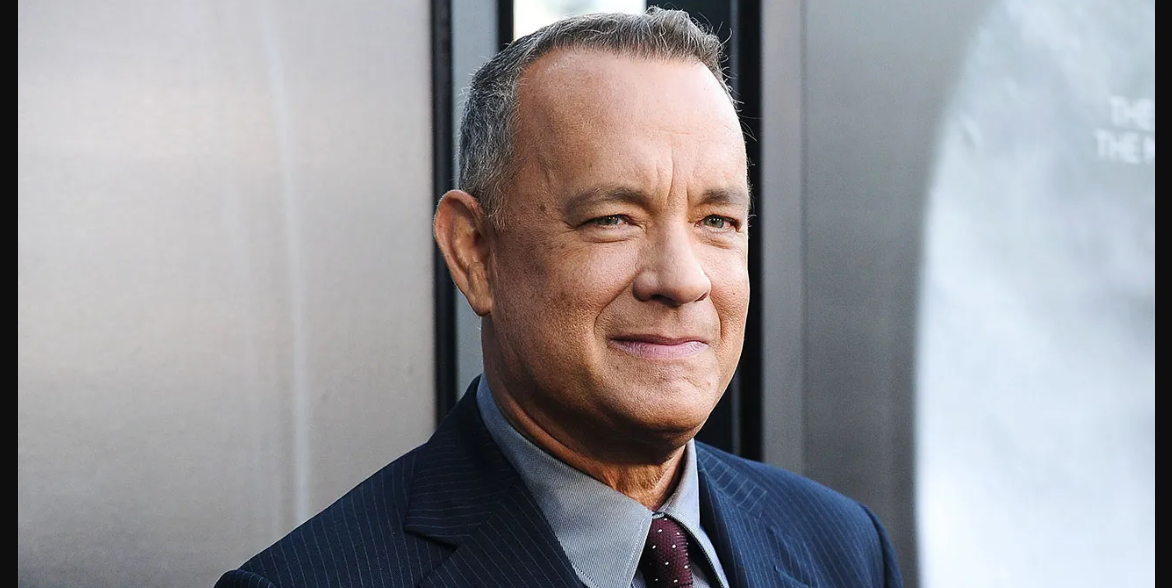
Tom Hanks: Neal McDonough Reveals How He Shut Down a Band of Brothers Boot Camp Mutiny
Tom Hanks is once again making headlines after Band of Brothers star Neal McDonough revealed a behind-the-scenes story about the intense military training that helped prepare the cast for HBO's acclaimed World War II miniseries.
McDonough recalled that the cast nearly reached a breaking point during boot camp before Tom Hanks unexpectedly arrived by helicopter and delivered a speech that changed the actors' attitude toward the demanding training.
The story offers a fascinating look at how seriously the production team approached historical authenticity and the responsibility of portraying the real soldiers of Easy Company.
Tom Hanks Arrived by Helicopter
According to McDonough, the cast had been participating in an extremely demanding boot camp when tensions began to rise.
About five days into the training, McDonough said there was what he described as a "mutiny" among some of the actors. The performers were exhausted, and several had suffered injuries during the physically demanding exercises.
Then, unexpectedly, Tom Hanks arrived by helicopter.
McDonough recalled seeing Hanks emerge from the helicopter with the beard and long hair he had during his Cast Away period. Hanks gathered the actors together and spoke to them about the importance of their work.
What Did Tom Hanks Tell the Band of Brothers Cast?
McDonough said Tom Hanks reminded the actors that they had a responsibility to the real members of Easy Company and the other World War II veterans whose experiences inspired the series.
The message was essentially that the actors needed to work as hard as possible to accurately portray the soldiers and honor those who had sacrificed their lives during the war.
McDonough said Hanks' speech completely changed the cast's mindset.
The actors came to understand that the difficult boot camp was not simply an obstacle. It was part of an effort to help them understand the physical and emotional conditions experienced by the real soldiers they were portraying.
Why Was the Band of Brothers Boot Camp So Difficult?
The Band of Brothers cast underwent rigorous military training under Dale Dye, a retired U.S. Marine Corps captain and military technical adviser.
The goal was to make the actors function more like an actual military unit. They trained together, wore period uniforms and participated in exercises designed to replicate aspects of the soldiers' experiences.
McDonough recalled that Dye intentionally made himself unpopular with the actors.
The strategy was eventually understood as a way of encouraging the performers to bond with one another and develop the sense of camaraderie necessary to portray Easy Company convincingly.
Neal McDonough Says Tom Hanks Was Right
Looking back more than two decades later, McDonough said the cast ultimately realized that Tom Hanks had been right.
The actors' difficult training helped them understand the importance of working together and treating the historical material with respect.
McDonough said the experience also contributed to the show's extraordinary success.
Band of Brothers premiered in September 2001 and went on to win multiple major awards, including seven Emmy Awards and a Golden Globe.
Tom Hanks and Band of Brothers
Tom Hanks was not simply an actor associated with Band of Brothers. He was one of the series' executive producers and worked alongside Steven Spielberg to bring the World War II story to television.
The miniseries was based on historian Stephen E. Ambrose's nonfiction book Band of Brothers, which chronicled the experiences of Easy Company of the 506th Parachute Infantry Regiment, 101st Airborne Division.
Hanks also directed the fifth episode, "Crossroads," and made a brief uncredited appearance in the series.
Tom Hanks and Steven Spielberg's WWII Legacy
The production of Band of Brothers continued the creative partnership between Tom Hanks and Steven Spielberg.
The pair had previously worked together on Saving Private Ryan, the acclaimed 1998 World War II film.
That film also emphasized realism and involved demanding military preparation for its cast. The approach continued with Band of Brothers, where the creators wanted viewers to feel immersed in the lives of the soldiers rather than simply watching actors perform traditional television roles.
The commitment to realism became one of the defining characteristics of the miniseries.
Neal McDonough's Experience
McDonough portrayed 1st Lt. Lynn "Buck" Compton, a real-life member of Easy Company who participated in major World War II operations.
The actor recalled that he personally enjoyed the demanding physical training, although other members of the cast found it much more difficult.
He also suffered injuries during production, including an incident involving a .30-caliber training weapon and a broken toe, according to his account.
His experience illustrates how far the production went to create an authentic military environment for the actors.
Why Tom Hanks' Speech Mattered
The story about Tom Hanks and the Band of Brothers boot camp highlights a broader philosophy behind the production.
The actors were not simply being trained to look like soldiers. They were being encouraged to understand the responsibility involved in portraying real people who had fought during World War II.
Hanks' intervention reportedly helped the cast see the training differently.
Instead of asking why they were being pushed so hard, they began focusing on why the preparation mattered.
Band of Brothers Remains a Classic
More than 25 years after its premiere, Band of Brothers remains one of the most highly regarded World War II television productions.
The series featured Damian Lewis, Ron Livingston, Donnie Wahlberg, David Schwimmer, Michael Cudlitz, Scott Grimes and Neal McDonough, while actors including Tom Hardy, Michael Fassbender and James McAvoy appeared in smaller roles.
Its combination of historical research, military consultation and demanding actor preparation helped create the gritty realism for which the series is known.
The newly revealed story about Tom Hanks provides another example of how much effort went into achieving that result.
Tom Hanks' Approach to Historical Storytelling
Throughout his career, Tom Hanks has repeatedly been involved with projects centered on major historical events and real people.
His work on Saving Private Ryan and Band of Brothers helped establish him as one of Hollywood's most recognizable figures associated with World War II storytelling.
The boot camp incident shows that his involvement went beyond producing the series. Hanks was also invested in ensuring that the actors understood the significance of the story they were telling.
For McDonough and his fellow cast members, that message apparently stayed with them long after production ended.
The Legacy of Tom Hanks and Band of Brothers
The story ultimately adds another layer to the legacy of Tom Hanks and Band of Brothers.
What initially appeared to be a rebellion against difficult training became an important turning point for the cast. Hanks' intervention reminded the actors that they were portraying real soldiers and that authenticity was central to the project's mission.
More than two decades later, McDonough's recollection shows how deeply that lesson affected the people who made the series.
Bottom Line
Tom Hanks reportedly ended a Band of Brothers boot camp "mutiny" by arriving unexpectedly and reminding the cast of their responsibility to honor the real members of Easy Company and other World War II veterans.
Neal McDonough's account highlights the extraordinary preparation behind the acclaimed HBO miniseries and explains why the demanding military training became such an important part of the production.
For fans of Tom Hanks, Band of Brothers and World War II history, the story offers a rare glimpse into the leadership and dedication that helped turn the series into a lasting television classic.