What to Look for in a Professional Mural Painting Company
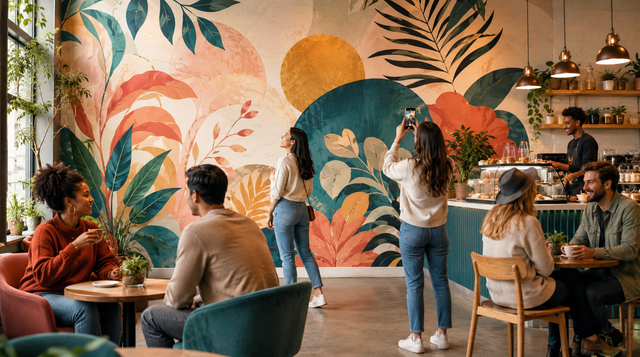
A custom mural can turn an ordinary wall into a memorable feature that communicates personality, purpose, and identity. Whether the project is intended for a restaurant, office, retail store, school, hotel, or private residence, the quality of the finished artwork depends heavily on the company selected for the job. Professional mural painting requires more than artistic talent. It also demands planning, technical knowledge, reliable communication, and careful project management.
Choosing the right mural painting company can feel difficult when portfolios and estimates vary widely. A provider may produce beautiful sketches but lack experience with large surfaces, outdoor conditions, or commercial deadlines. Before signing an agreement, clients should examine how each company approaches design, preparation, execution, and long-term protection.
A Portfolio That Matches Your Vision
The first thing to review is the company’s portfolio. It should include completed projects rather than only digital illustrations or proposed concepts. Look closely at composition, scale, color balance, line quality, and how successfully each design fits its surroundings.
Experienced mural painters usually work across several styles, but every artist has particular strengths. Some specialize in realistic portraits, while others are better suited to typography, abstract artwork, landscapes, or branded graphics. A company that creates impressive children’s murals may not automatically be the best choice for a sophisticated corporate lobby.
When studying a portfolio, consider the following points:
- Does the artwork remain visually clear from different viewing distances?
- Are the colors consistent and professionally applied?
- Do the murals complement the architecture around them?
- Are there examples similar in size and style to your project?
- Does the portfolio contain both close-up and full-space photographs?
A varied portfolio demonstrates adaptability, while relevant examples help confirm that the team can deliver the desired result.
Genuine Experience and Technical Knowledge
A professional mural painter must understand surfaces as well as artwork. Brick, concrete, drywall, metal, wood, and stucco all react differently to paint. Each material requires suitable cleaning, repairs, primers, paints, and protective coatings.
Ask how long the company has been completing commissioned projects and whether it has experience with your particular surface. Skilled mural artists should be able to explain how moisture, direct sunlight, temperature changes, and daily wear may affect the work. For an exterior wall, they should also consider drainage, cracks, UV exposure, and local weather conditions.
Technical preparation is especially important for hand painted murals on walls. Without proper surface treatment, even a beautiful design may peel, fade, or develop stains. Reliable professionals will never treat preparation as an optional step or begin painting before identifying existing wall problems.
A Clear and Collaborative Design Process
The best murals reflect the client’s objectives without limiting the creativity of the artist. A dependable mural company will begin with a detailed consultation to understand the space, audience, preferred style, brand requirements, budget, and intended message.
After the consultation, the team should develop sketches or digital mockups. These previews allow the client to evaluate the concept before work begins. The proposal should clarify how many revisions are included and when the final design becomes approved.
A thoughtful mural artist will also explain why certain colors, proportions, and visual elements have been recommended. For example, intricate details may disappear on a wall viewed from across a street, while extremely bright colors may overwhelm a quiet interior. Productive collaboration combines the client’s knowledge of the space with the artist’s understanding of visual communication.
Transparent Pricing and a Detailed Estimate
Prices for mural wall painting services can vary according to wall size, design complexity, surface condition, location, materials, equipment, and deadline. Be cautious of estimates that provide only a single figure without explaining what it covers.
A professional quotation should identify:
- Design and consultation fees
- Surface cleaning, repairs, and priming
- Paint and protective coating costs
- Labor and estimated working time
- Scaffolding, lifts, or special equipment
- Travel and accommodation, when applicable
- Revision limits and additional charges
- Payment stages and cancellation terms
Comparing mural painting companies solely by price can lead to disappointing results. A low estimate may exclude preparation, premium materials, insurance, or final sealing. Instead, compare the complete scope and expected durability offered by each provider.
Reliable Materials and Surface Preparation
Paint quality has a major influence on appearance and lifespan. Ask which products will be used and why they are suitable for the location. Interior acrylics, exterior masonry paints, spray paints, and specialist coatings have different purposes. Professional teams choose materials according to the wall rather than relying on one product for every assignment.
Surface preparation may involve pressure washing, sanding, filling cracks, removing loose paint, applying mold treatment, or using a compatible primer. A trustworthy mural wall painter will inspect the wall before confirming the schedule. If an inspection cannot happen immediately, the estimate should state that hidden damage may affect the final cost.
Completed painted murals may also require a clear protective coating. This layer can improve resistance to sunlight, moisture, stains, scratches, and cleaning. In public locations, an anti-graffiti coating may provide valuable additional protection.
Strong Communication and Project Management
Good communication is essential from the first inquiry through final approval. The company should respond clearly, ask relevant questions, and provide realistic expectations. Delayed or vague communication before a project starts may indicate larger problems once work is underway.
Commercial clients commissioning business murals often have fixed opening dates, operating hours, or safety restrictions. The provider should explain how the site will be organized, when noisy work will occur, and whether sections must be temporarily closed. A dedicated project contact can make coordination much easier.
Ask mural painters for hire how they handle weather delays, design changes, access problems, or unexpected repairs. A professional answer should describe a practical process rather than offer unrealistic guarantees.
Insurance, Safety, and Written Agreements
Large-scale art mural painting may involve ladders, scaffolding, lifts, public walkways, and busy commercial environments. The company should carry appropriate liability coverage and follow established safety procedures. Request evidence of insurance, especially when the work will be completed at height or in a public area.
Every mural painting service should also be supported by a written agreement. The contract should define the approved design, wall dimensions, materials, schedule, payment terms, revision policy, ownership rights, maintenance responsibilities, and conditions for postponement or cancellation.
Copyright should not be overlooked. The agreement must explain who owns the final artwork and whether the client may reproduce it in advertising, merchandise, photographs, or digital content. This is particularly important when a business mural will become part of a broader promotional campaign.
Understanding Branding and Commercial Impact
Commercial artwork must do more than decorate a wall. Effective business murals communicate a recognizable story and create an environment customers want to photograph and remember. The provider should understand how to incorporate brand colors, messages, products, or local references without turning the artwork into an oversized advertisement.
Well-designed wall mural advertising can attract attention from pedestrians and encourage visitors to share photographs online. However, the imagery should remain visually engaging and appropriate for the surrounding community. A company with commercial experience will consider viewing distance, foot traffic, lighting, photography angles, and nearby signs.
Ask whether the team has worked with brand guidelines and approval processes. This experience becomes valuable when several decision-makers must review the design.
References, Reviews, and Professional Reputation
Online reviews can reveal patterns in punctuality, cleanliness, communication, and reliability. Do not focus only on the overall rating. Read detailed comments and notice how the company responds to criticism.
Request references from clients who commissioned similar murals painting projects. Useful questions include whether the team followed the schedule, respected the property, managed revisions well, and delivered artwork consistent with the approved design.
Reputable mural painters should be comfortable discussing past work and providing contactable references where permission has been granted. Consistency across the portfolio, testimonials, and direct references offers stronger evidence than promotional claims alone.
Maintenance and Long-Term Support
A professional company should provide care instructions after completing the mural. Clients need to know when the surface may be cleaned, which products are safe, and how often protective coatings should be inspected.
Exterior mural murals may naturally change over time because of sunlight, pollution, rain, or physical damage. Ask whether the company offers touch-ups, restoration, or scheduled maintenance. A provider that plans for the mural’s future demonstrates responsibility for the quality of its work.
The final handover should include photographs, material details, warranty information, and guidance for reporting damage. These records make future repairs more accurate and help preserve the original colors.
Making a Confident Final Choice
Selecting a professional mural painting company requires a balance of creativity, technical expertise, organization, and trust. Review real projects, examine relevant experience, request a detailed estimate, and insist on a written agreement. The strongest candidate will communicate openly, prepare the wall carefully, use suitable materials, and understand how the artwork should function within the space.
A successful mural becomes part of the identity of a building rather than a temporary decoration. By evaluating credentials, processes, safety practices, and long-term support, clients can choose a creative partner capable of transforming their vision into durable and meaningful artwork.