Eurasian Jay: The Clever Voice of the Woodland
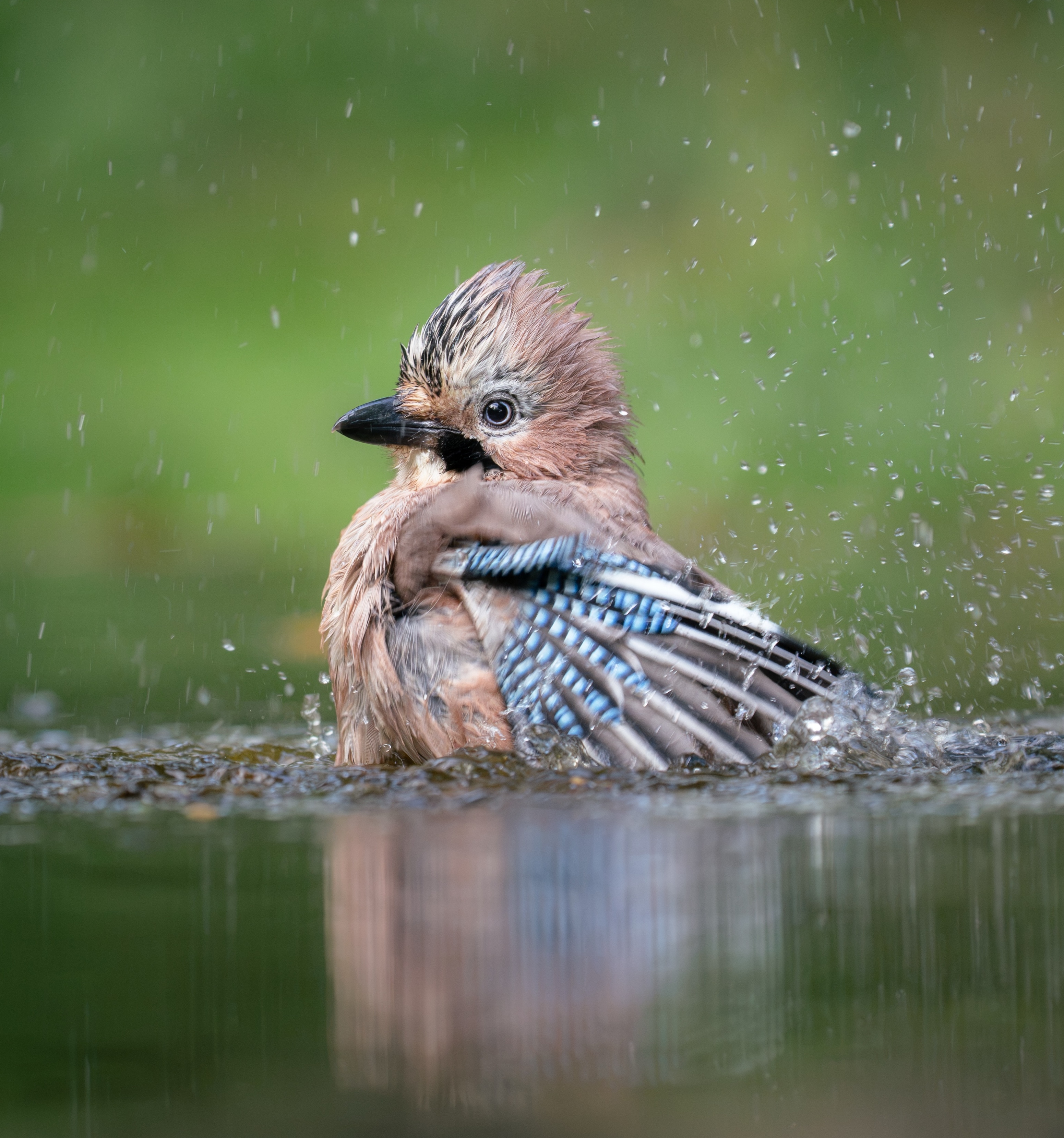
The Eurasian Jay is a striking and intelligent member of the crow family, admired for its beautiful plumage and lively personality. Its soft pinkish-brown body, black-and-white markings, and vivid blue feathers on the wings give it a distinctive appearance. Often heard before it is seen, the jay has a loud, raspy call that can suddenly break the quiet of a forest.
Eurasian Jays are widely distributed across Europe, North Africa, and much of Asia. They inhabit a variety of wooded environments, including deciduous forests, mixed woodlands, parks, and large gardens. Their adaptability allows them to live surprisingly close to people while still maintaining their connection with natural woodland habitats.
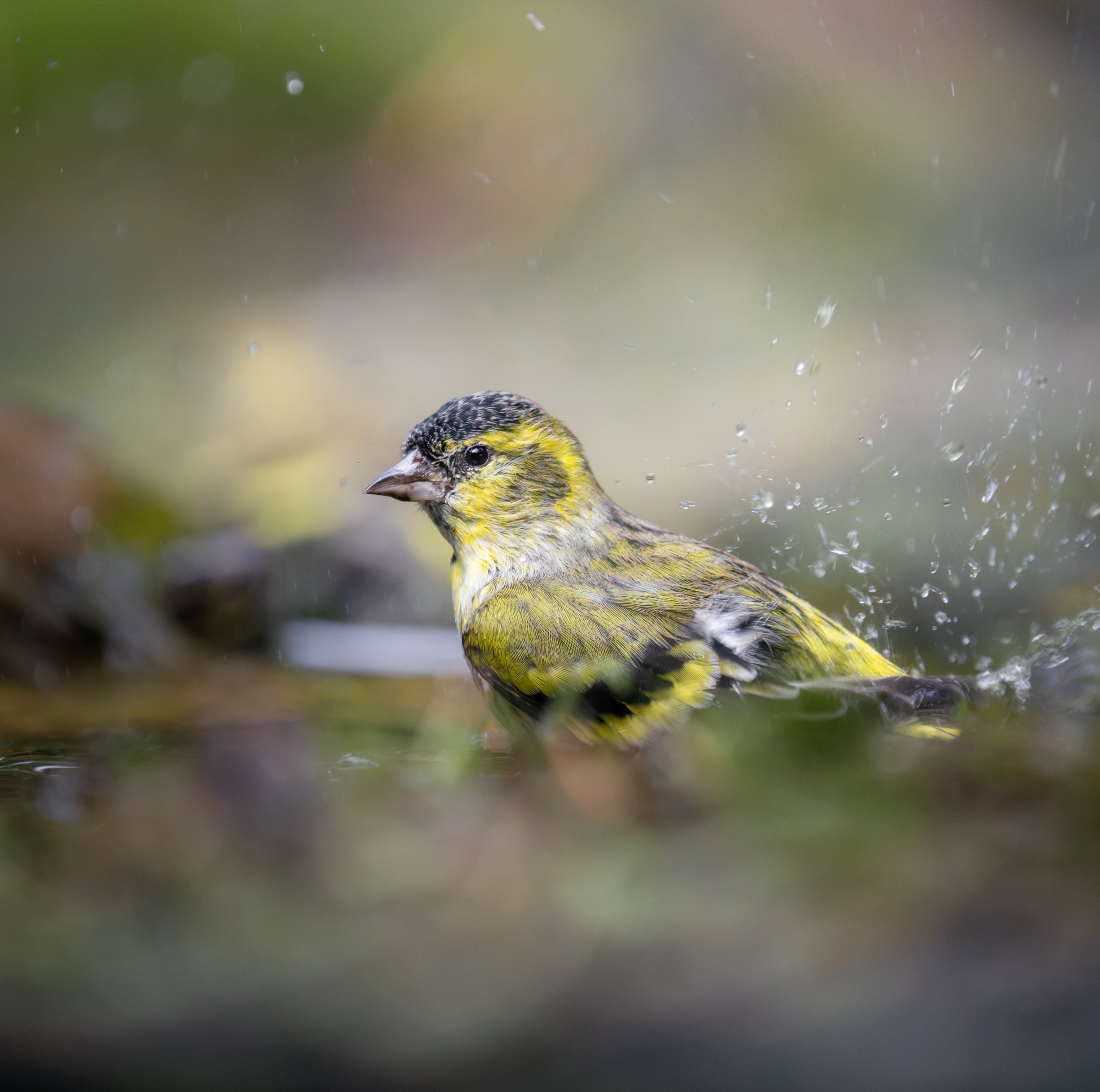
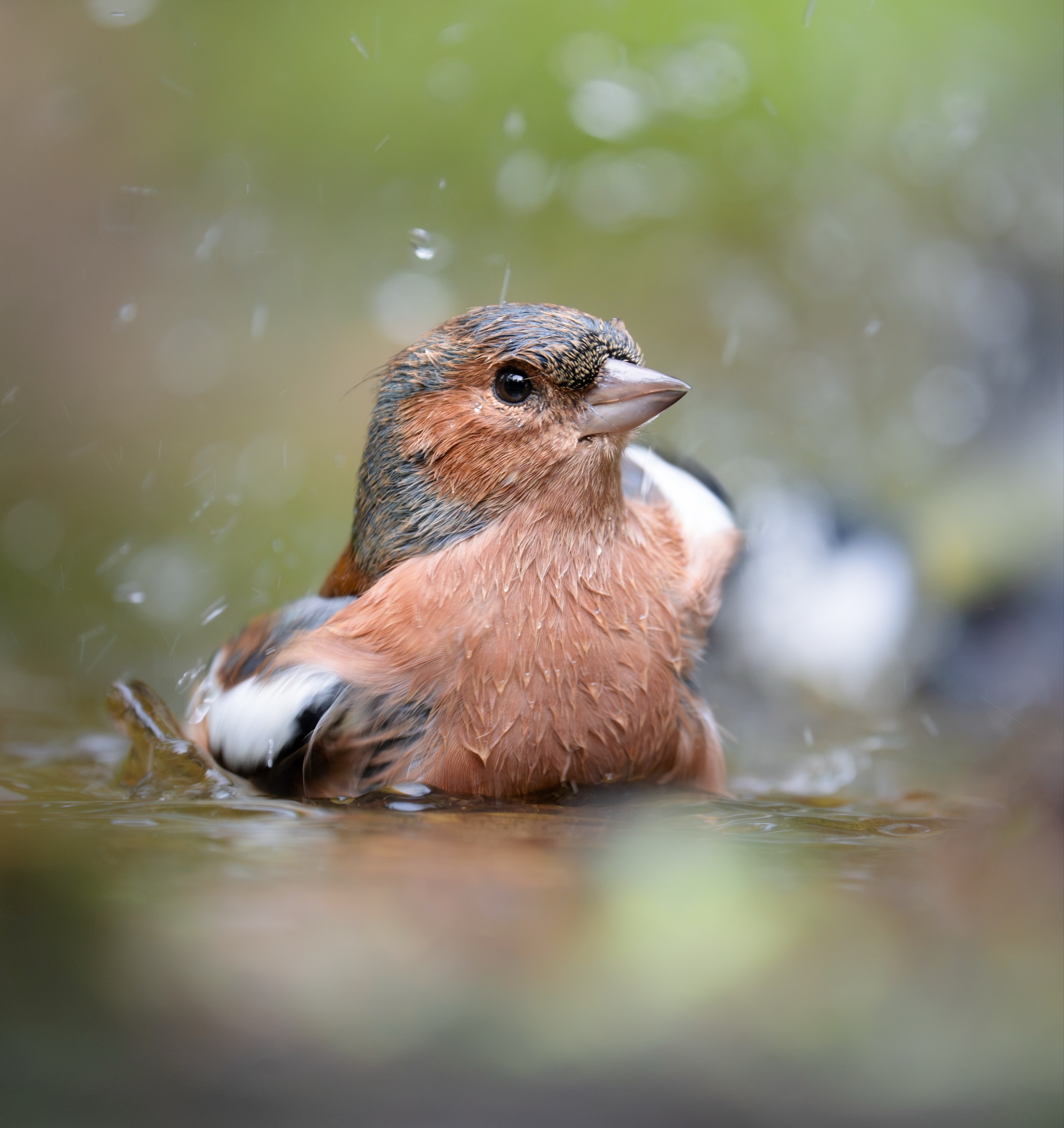
One of the jay's favorite foods is acorns, which play an important role in its life. During autumn, a jay may collect and carry acorns away from the tree, hiding them in the soil for later. Some of these forgotten seeds eventually grow into oak trees, making the bird an accidental gardener of the forest.
The Eurasian Jay is also known for its impressive intelligence and ability to learn. It can imitate sounds and produce different calls depending on the situation. Its sharp awareness helps it detect potential predators and warn other birds of danger. This combination of curiosity, memory, and adaptability makes the jay one of the more fascinating birds found in woodland ecosystems.
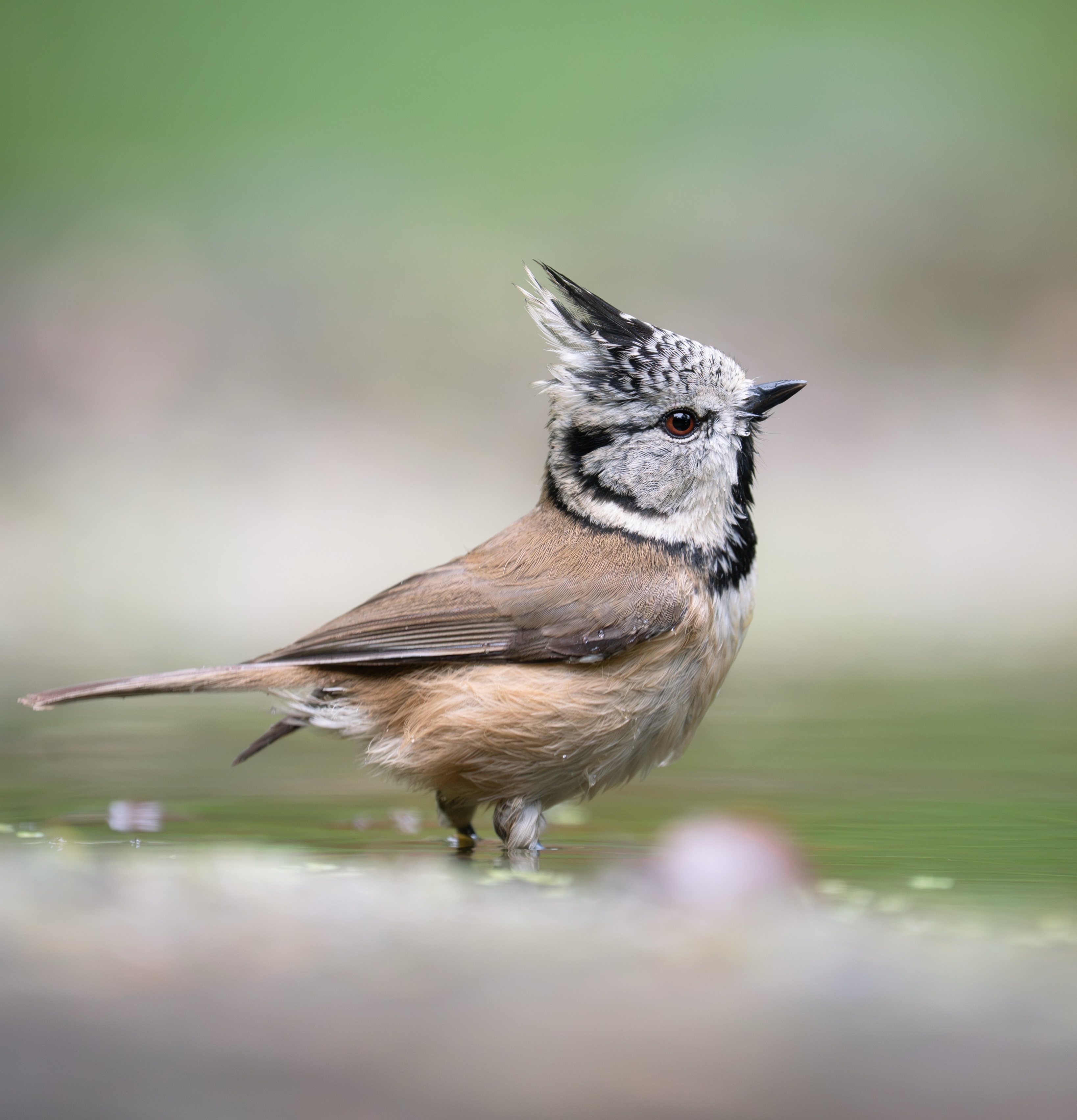
During the breeding season, Eurasian Jays become more secretive as they raise their young. They usually build their nests in trees using twigs, roots, and other plant material. Both parents take part in caring for the chicks, bringing food and protecting the nest from possible threats.
More than just a colorful forest bird, the Eurasian Jay has an important relationship with the trees around it. By carrying and burying acorns, it helps forests regenerate naturally, while its calls add character to the woodland soundscape. Observing a jay can therefore be a reminder that even a seemingly ordinary bird may have a surprisingly important role in shaping the world around it.
Thanks For Reading
Device Information
| Device | cannon eos 450D |
|---|---|
| Lens | 250 mm |
| Location | Bangladesh |

Love how the blue wing feathers pop against the soft pinkish‑brown body—did you notice how the lighting accentuates the raspy call in the background? What other woodland species do you find most vocal? 🌲🦉✨