Yellow Bells Flower: Little Golden Trumpets of Nature
The Yellow Bells flower is a delightful gift from nature, bringing sunshine and happiness wherever it blooms. With its bright yellow, trumpet-shaped flowers, this beautiful ornamental plant can turn an ordinary garden into a cheerful landscape. Known scientifically as Tecoma stans, Yellow Bells is admired for its vibrant blossoms and graceful growth. Whenever I see these golden flowers shining among green leaves, I feel as though little pieces of sunshine have settled on the branches, spreading warmth and positivity throughout the surroundings.
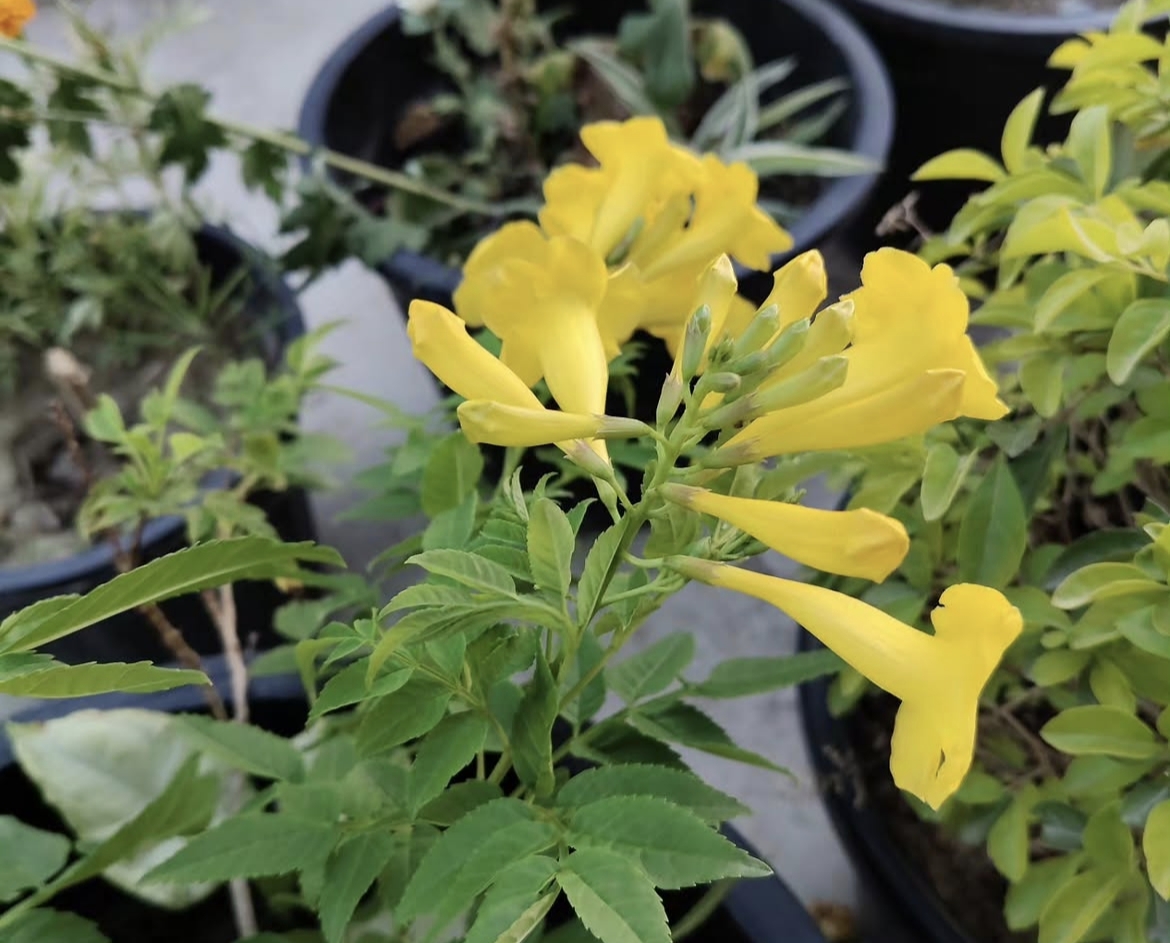
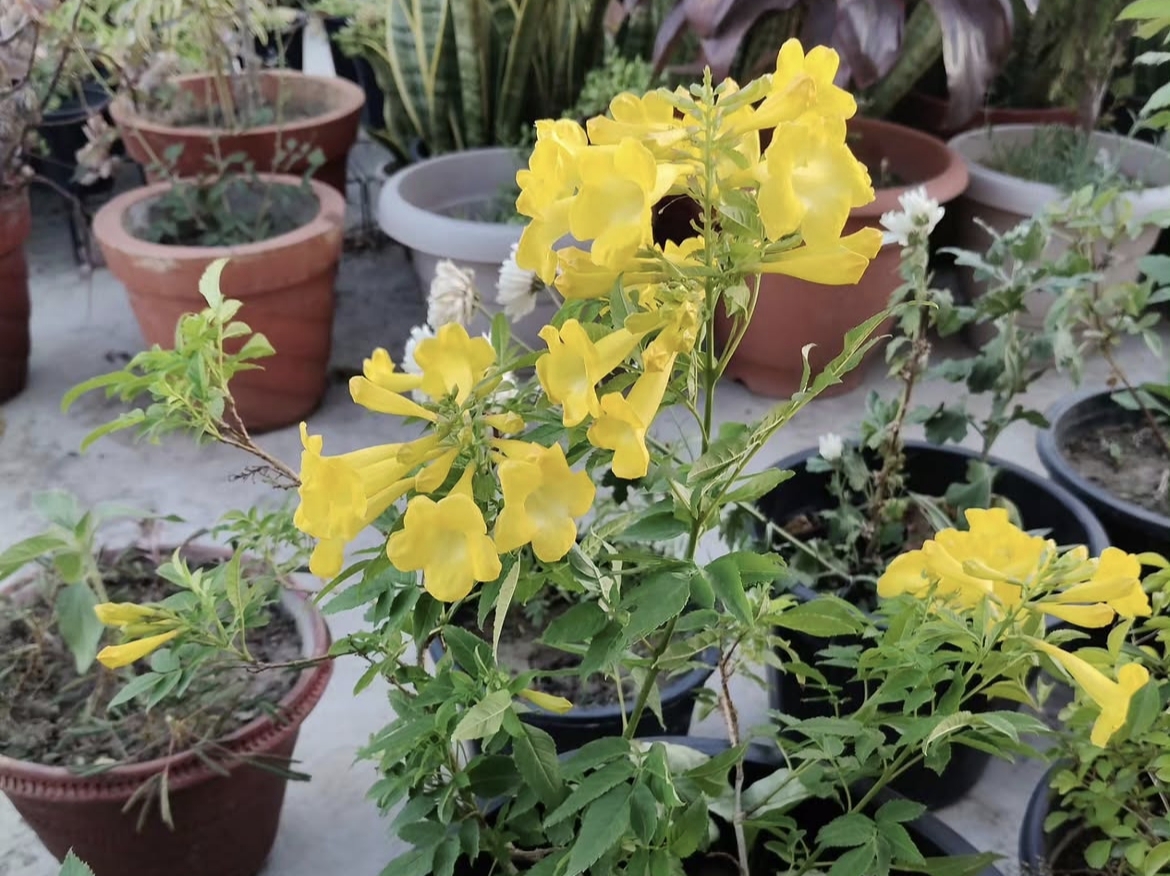
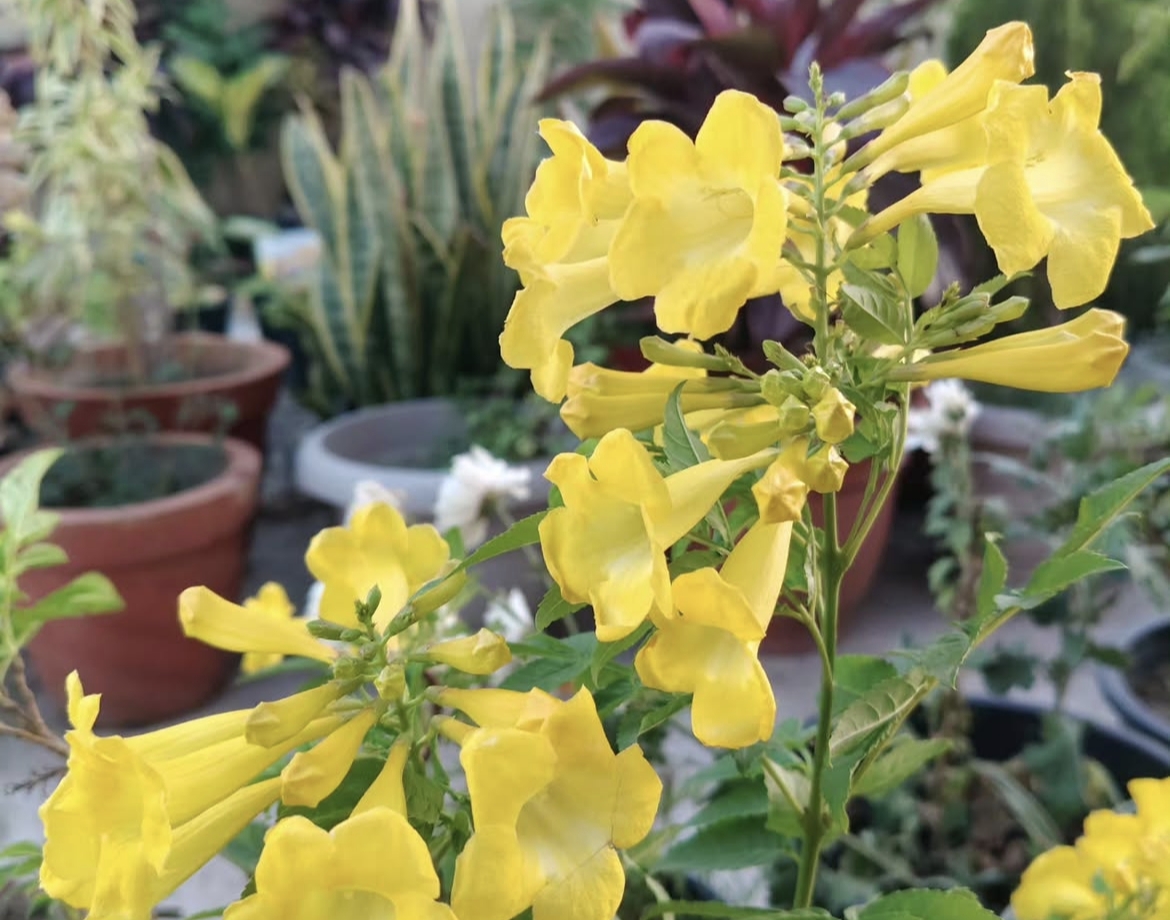
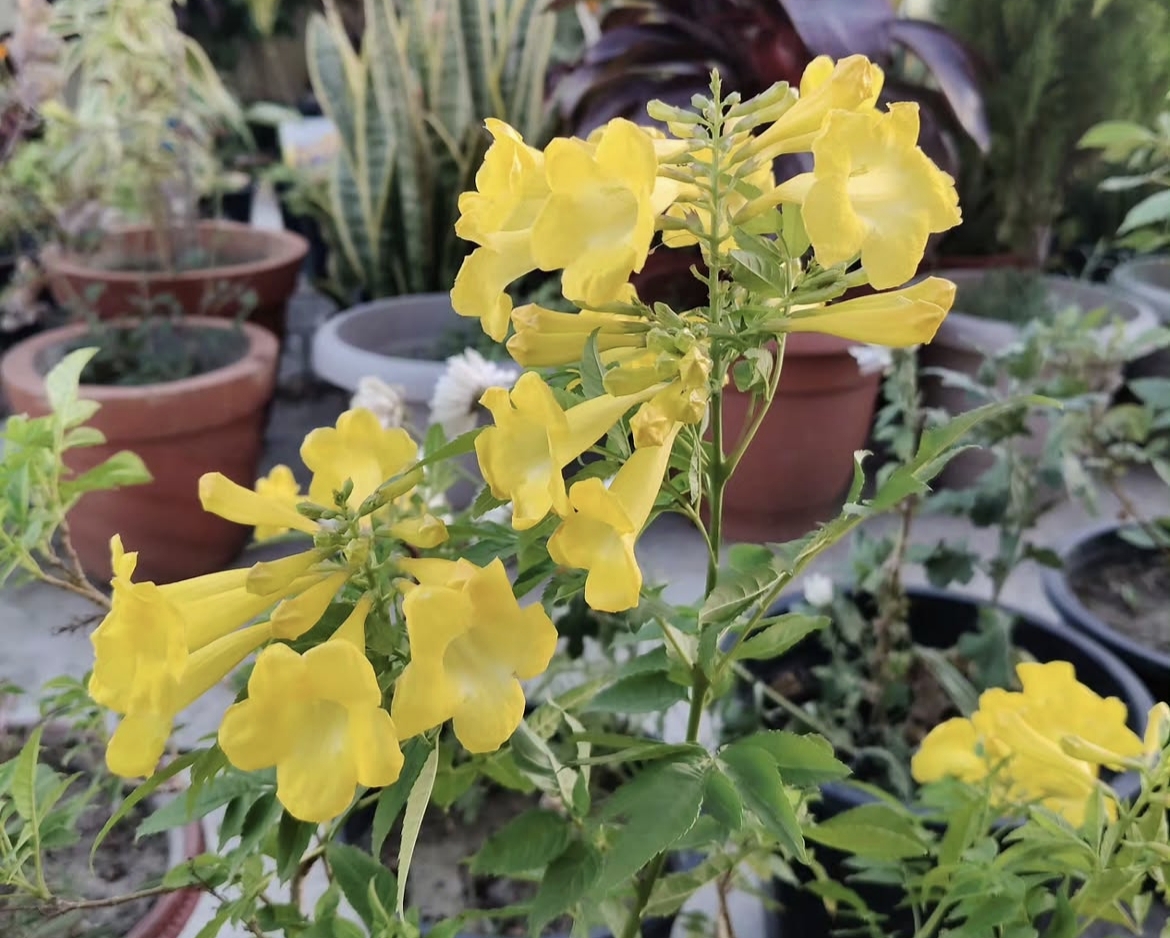
One of the most attractive features of the Yellow Bells flower is its elegant trumpet-like shape. Each blossom opens into a flared, bell-shaped form, with soft yellow petals that sometimes display delicate orange lines near the throat. Several flowers often appear together in clusters, creating a spectacular display of golden color. Their graceful shapes and bright appearance make them wonderful subjects for nature photography.Looking closely at each blossom reveals the fascinating details that make even a familiar garden plant worth admiring.
The Yellow Bells plant grows well in warm, sunny climates and can flourish in gardens, along roadsides, and in open spaces. Its green leaves form a beautiful backdrop for the golden flowers, creating a refreshing contrast that catches the eye. The plant is relatively hardy once established and generally prefers well-drained soil and plenty of sunlight. During its flowering season, the branches can become covered with blossoms, making the entire plant look like a living bouquet. Its natural beauty brings color and character to many different landscapes.
Beyond its ornamental charm, Yellow Bells plays a useful role in the garden ecosystem. Its flowers attract bees, butterflies, and other pollinators searching for nectar, bringing movement and life to the blossoms. Watching a butterfly settle gently on a yellow trumpet flower is a simple but memorable experience. These little interactions remind us that every plant has a place in nature and that even a small garden can become a welcoming environment for many living creatures.
Upvoted! Thank you for supporting witness @jswit.