Common Blue Butterfly: A Tiny Jewel of the Meadow
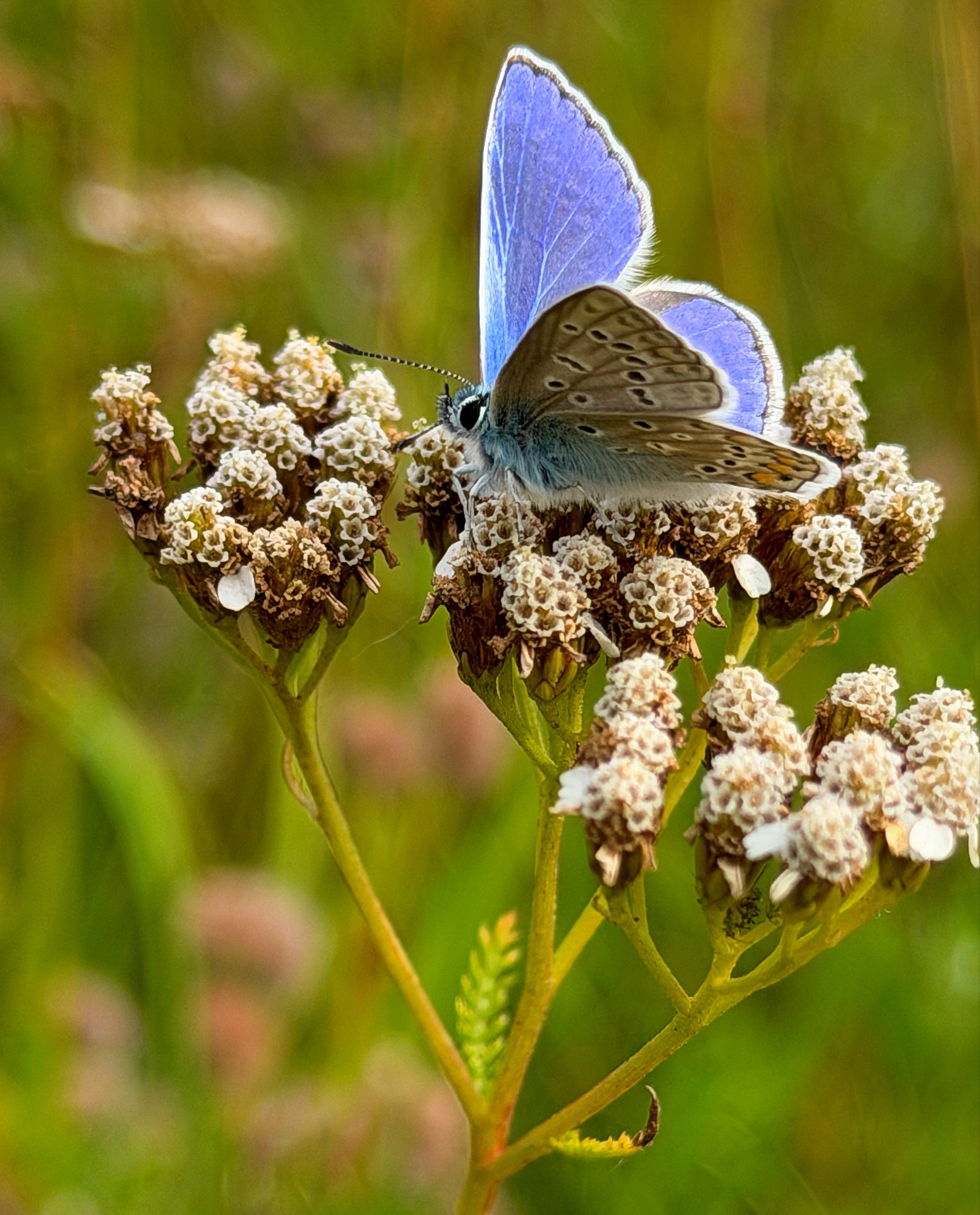
The Common Blue butterfly is a small but captivating creature that brings a touch of color to meadows, grasslands, gardens, and open countryside. Found across much of Europe, Asia, and North Africa, this delicate butterfly is one of the familiar members of the blue butterfly family. Its gentle fluttering flight and habit of settling among wildflowers make it a delightful sight for anyone who enjoys observing nature.
The males are especially eye-catching, displaying bright blue wings that seem to shimmer when they catch the sunlight. Females are usually more brownish, often decorated with attractive orange markings around the edges of their wings. When the wings are closed, both sexes reveal a beautifully patterned underside covered with small dark spots and orange crescents. These subtle details give the Common Blue a charm that is easy to miss unless you take a moment to look closely.
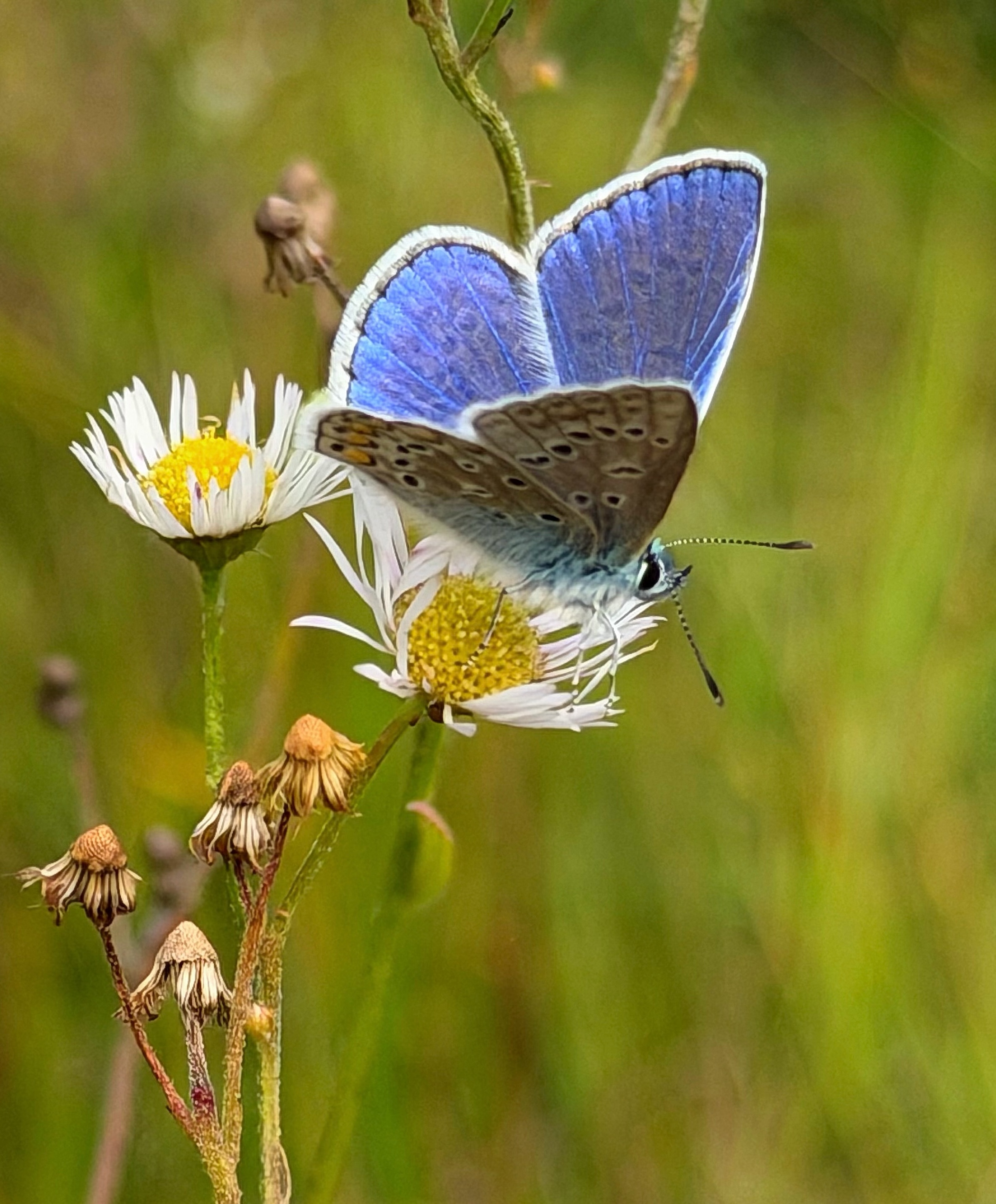
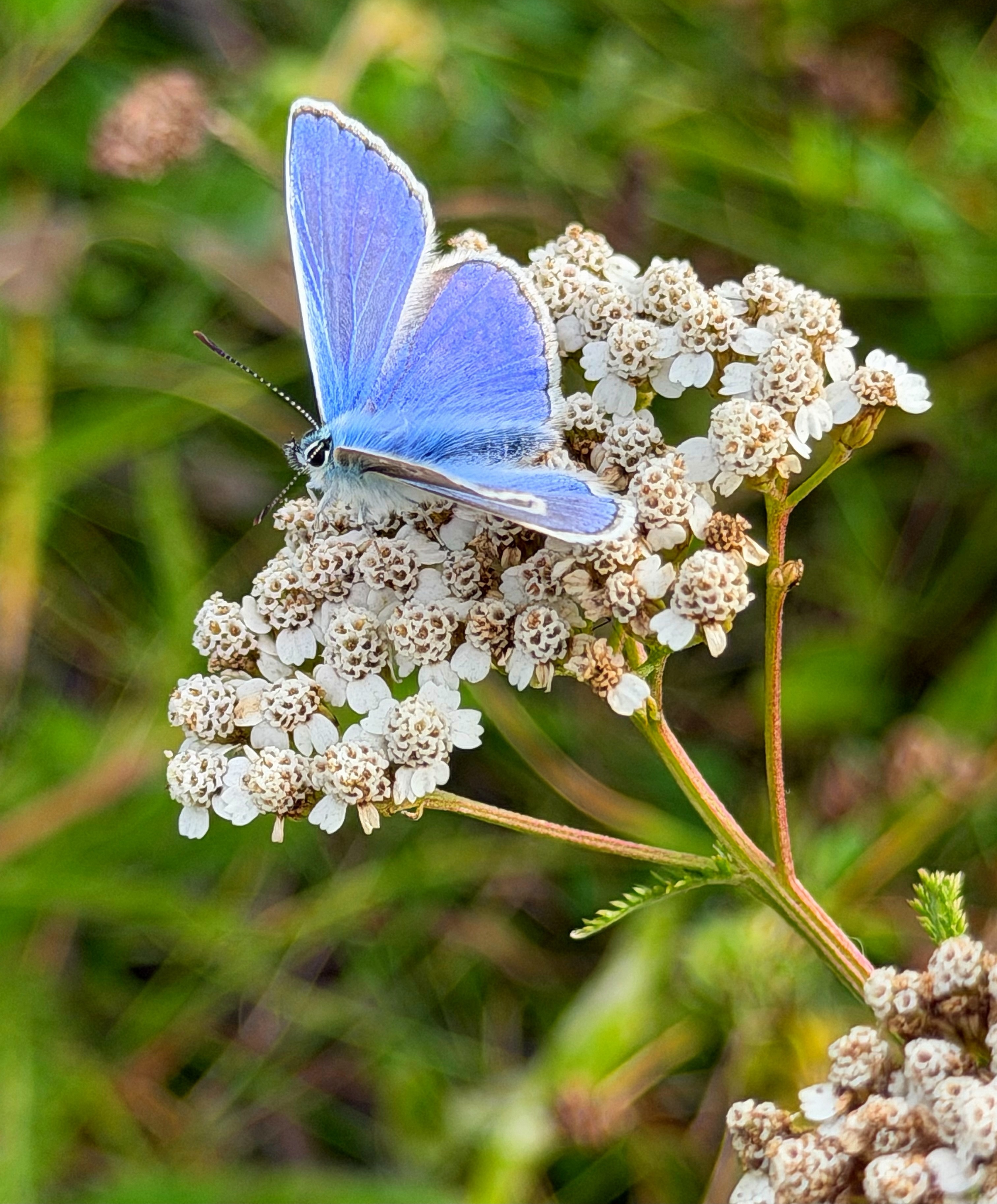
Like many butterflies, the Common Blue depends heavily on plants during different stages of its life. Its caterpillars feed mainly on plants from the pea family, including bird's-foot trefoil and various clovers. The relationship becomes even more fascinating because the caterpillars can interact with ants. In return for sugary secretions, certain ants may protect the caterpillars from predators, creating a remarkable partnership between two very different creatures.
Adult Common Blues are most active on warm, sunny days. They move from flower to flower, feeding on nectar while also contributing to pollination. Their flight is usually low and somewhat erratic, often carrying them only a short distance before they pause on a leaf or flower. Watching one move through a sunny meadow can feel almost like following a tiny blue spark dancing above the grass.
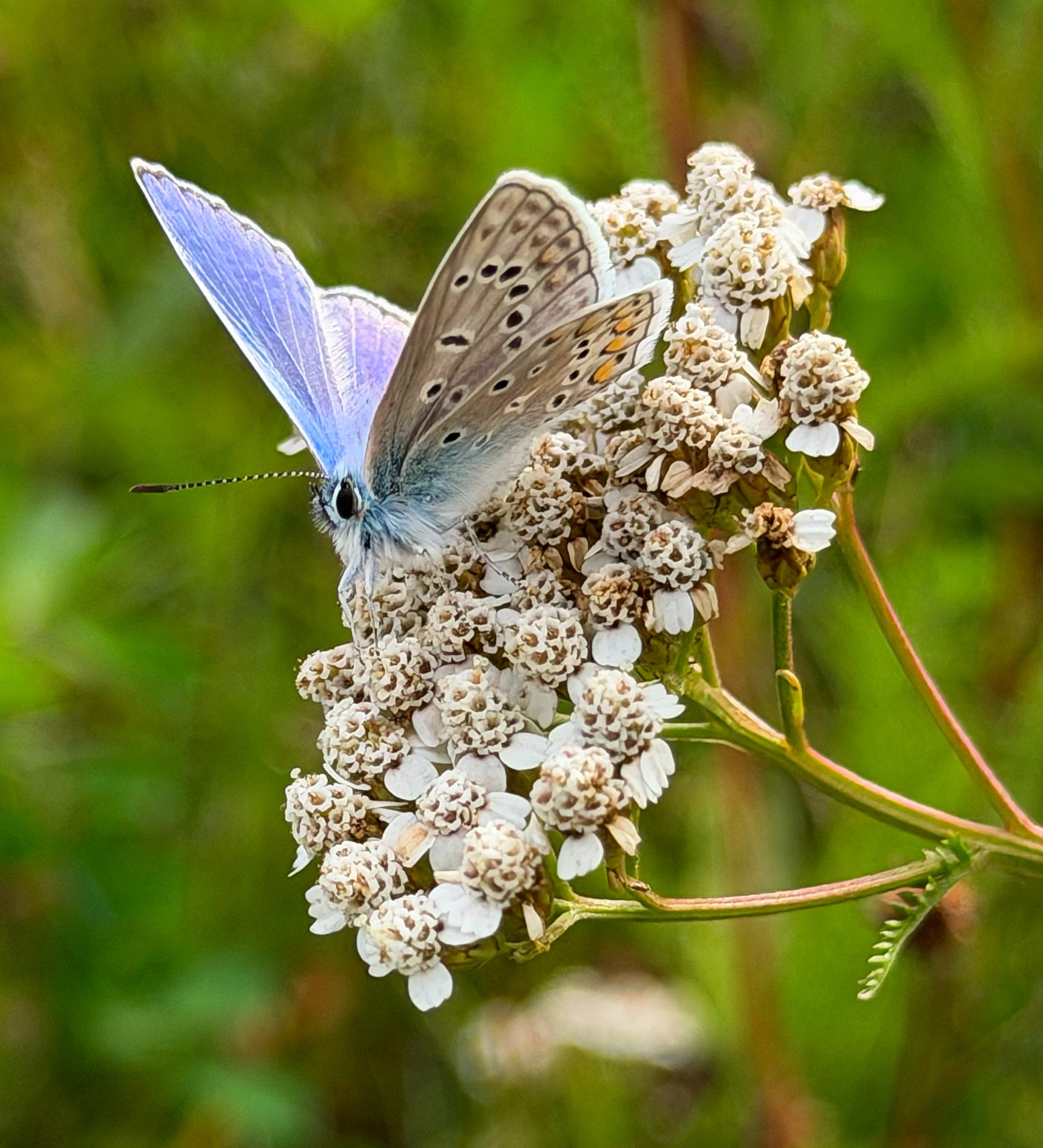
Although the Common Blue remains widespread, its wellbeing is closely connected to healthy natural habitats. The loss of wildflower-rich grasslands, intensive land management, and excessive pesticide use can reduce the plants and shelter that butterflies need. Simple actions such as growing native flowering plants, allowing parts of a garden to grow naturally, and reducing unnecessary pesticide use can create welcoming spaces for butterflies and other insects.
The Common Blue may be small enough to fit comfortably on a fingertip, yet it represents something much larger—the intricate connections that make an ecosystem work. From its colorful wings and wildflower diet to its extraordinary relationship with ants, every part of its life tells a story of adaptation and survival. The next time a flash of blue catches your eye in a meadow or garden, pause for a moment; you may be looking at one of nature's most beautiful little travelers.
%20(9).jpeg)