Common Sunflower: A Golden Bloom That Follows the Sun
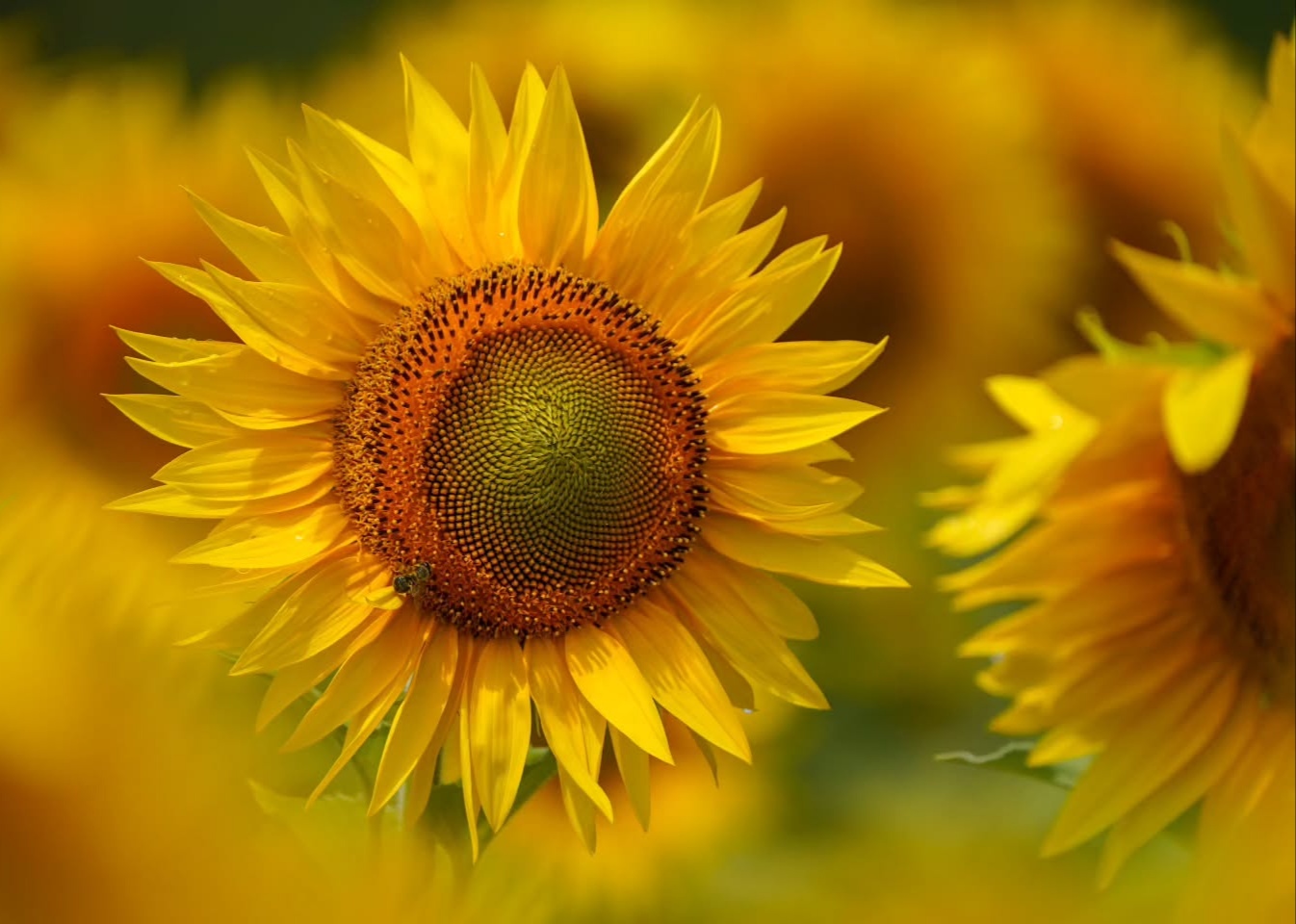
The Common Sunflower is one of the most recognisable and beloved flowering plants in the world. With its towering stems, broad green leaves, and brilliant golden petals surrounding a dark central disc, the sunflower is a true symbol of warmth, optimism, and vitality. Native to North America, it has spread across the globe and is now cultivated for its beauty, nutritious seeds, and valuable oil. Whether growing in a vast field or a small backyard garden, the common sunflower never fails to capture attention with its radiant presence.
One of the most fascinating characteristics of the common sunflower is its relationship with sunlight. Young sunflower buds display a behaviour known as heliotropism, gently turning from east to west throughout the day to follow the sun's path. This movement helps maximise light absorption, promoting healthy growth during the early stages of development. Once the flowers mature, they usually face east, allowing them to warm up quickly in the morning and become more attractive to pollinating insects. This remarkable adaptation highlights the plant's close connection with nature and its efficient survival strategy.
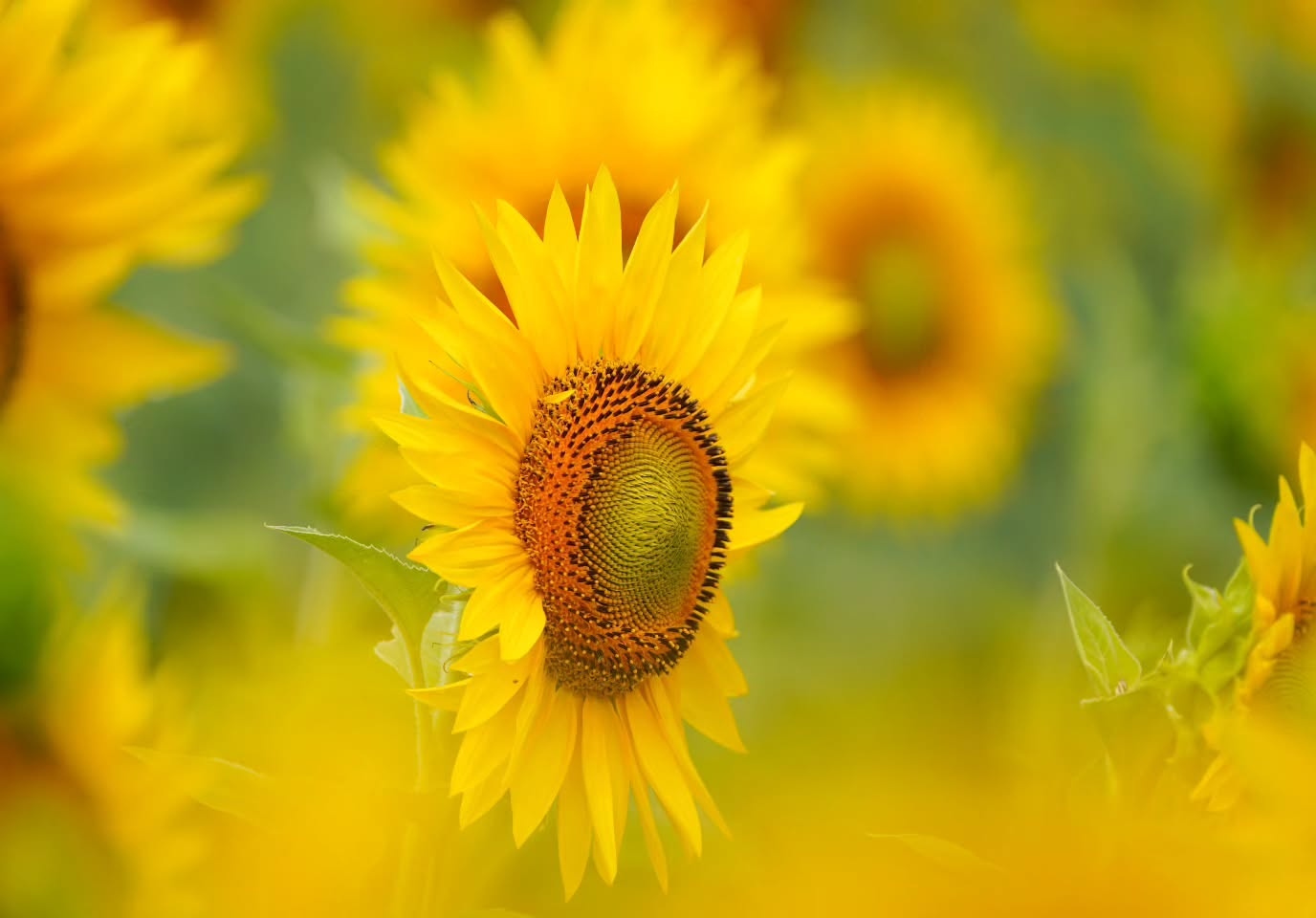
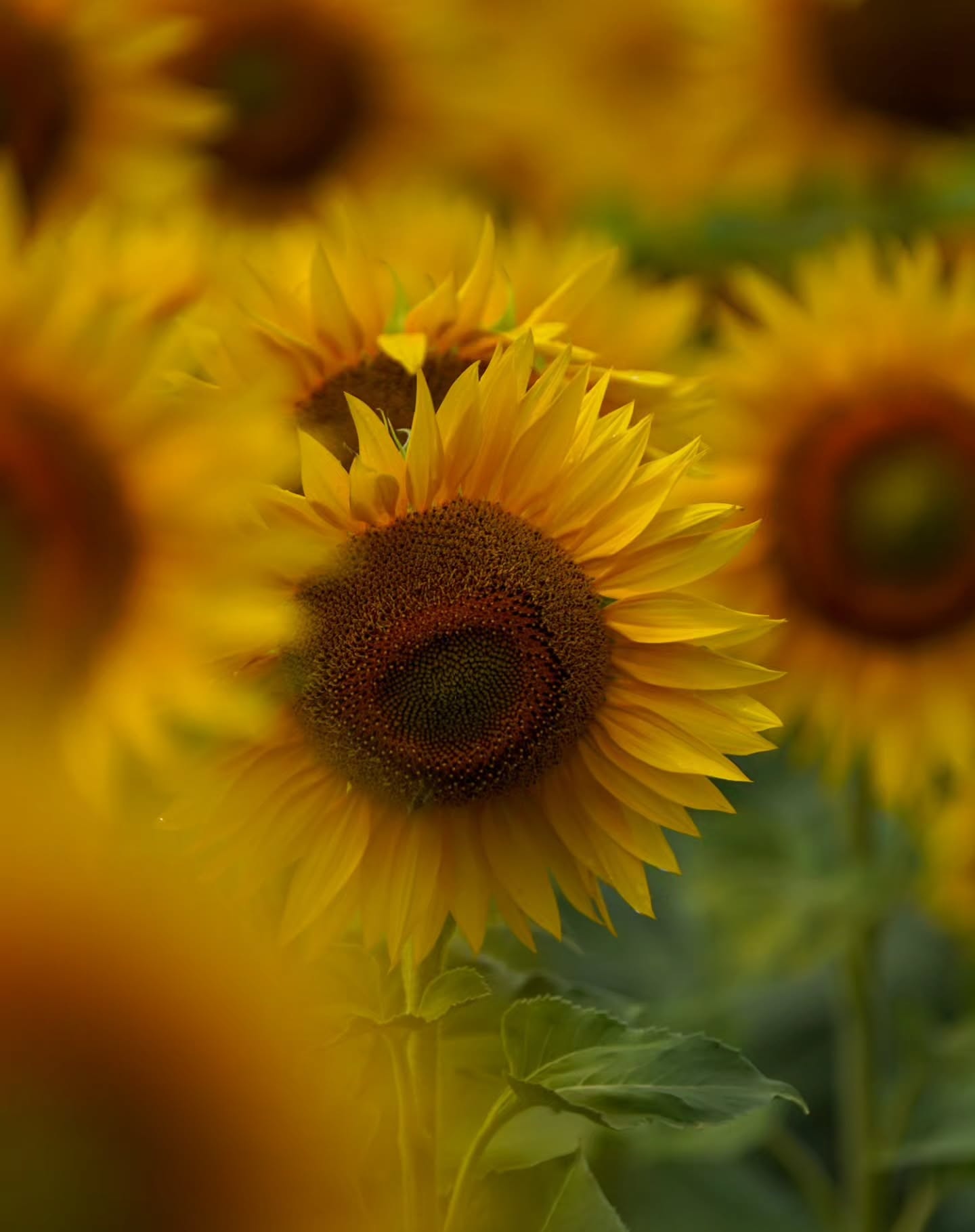
Growing common sunflowers is both simple and rewarding, making them an excellent choice for gardeners of all experience levels. They thrive in full sunlight and well-drained soil, requiring only regular watering during dry periods and occasional feeding to support vigorous growth. Depending on the variety, sunflowers can reach heights ranging from just a few feet to well over three metres, creating an impressive display in gardens and landscapes. Their sturdy stems and vibrant blooms also make them popular as cut flowers, bringing a touch of sunshine indoors.
Beyond their ornamental value, common sunflowers play an important role in agriculture and the environment. Their nectar-rich flowers attract bees, butterflies, and other beneficial pollinators, helping to maintain healthy ecosystems and improve crop pollination. After flowering, the large seed heads become a rich food source for birds, squirrels, and other wildlife. Sunflower seeds are also harvested for human consumption, offering a nutritious snack packed with healthy fats, protein, vitamins, and minerals, while sunflower oil is widely used in cooking and food production around the world.
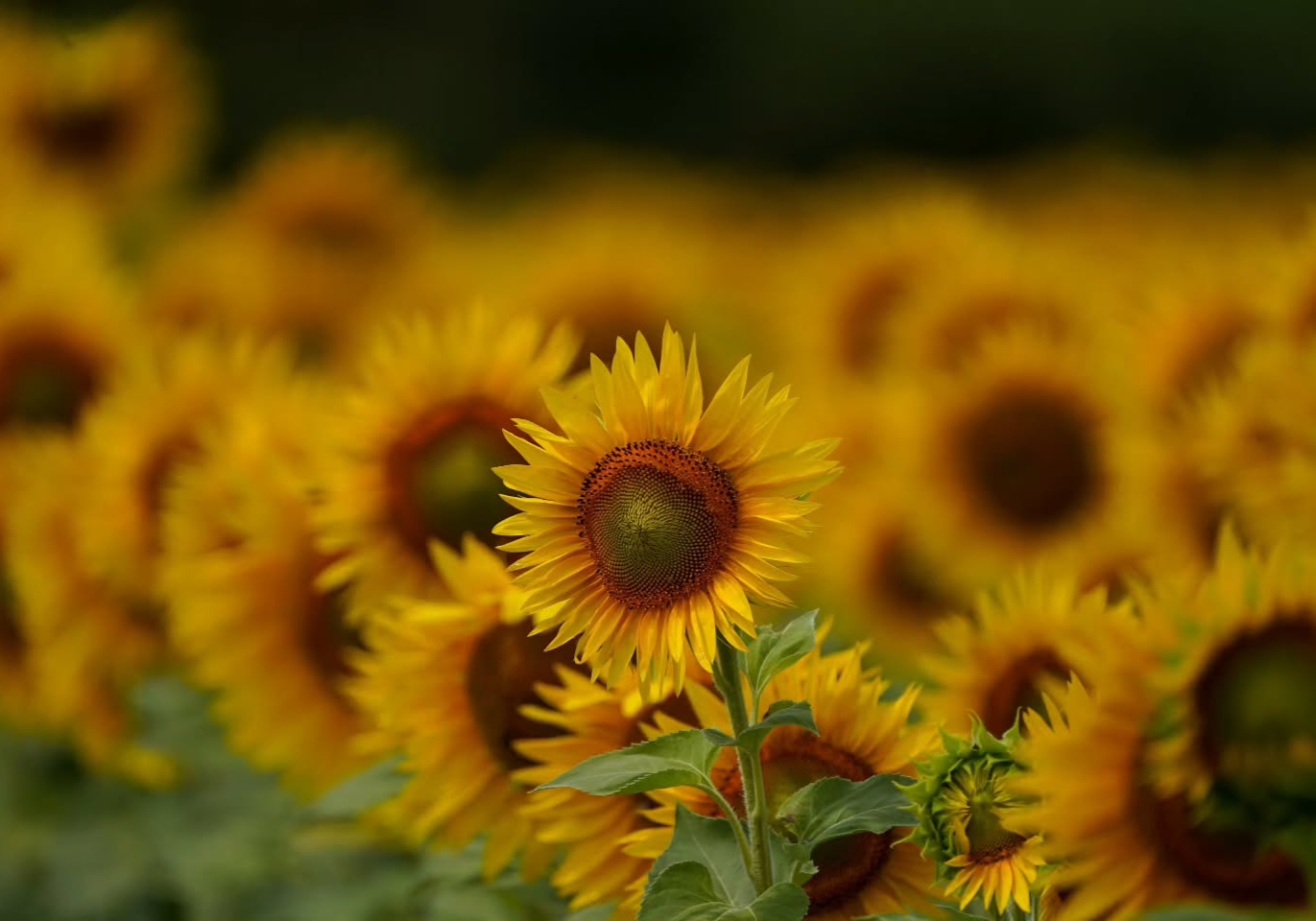
The common sunflower has inspired artists, writers, and cultures for centuries. It is often associated with happiness, loyalty, hope, and resilience because of its bright appearance and unwavering orientation toward the light. Famous paintings by artists such as Vincent van Gogh have immortalised the sunflower as a timeless symbol of natural beauty and artistic inspiration. Across many cultures, gifting sunflowers conveys admiration, encouragement, and positive energy, making them a meaningful flower for celebrations and special occasions.
In the end, the common sunflower is much more than a striking garden plant. It represents the harmony between beauty, usefulness, and environmental importance. From nourishing wildlife and supporting pollinators to providing nutritious seeds and inspiring countless works of art, this extraordinary flower continues to enrich lives in many ways. Planting a common sunflower is not simply about adding colour to a garden—it is about embracing a flower that reminds us to seek the light, stand tall through challenges, and appreciate the simple wonders of the natural world.
%20(9).jpeg)