Product Fall Protection Systems Market Restraints: Costs, Compliance, Training Gaps, and Industry Challenges
Fall protection systems are essential across construction, infrastructure, manufacturing, energy, telecommunications, warehousing, and maintenance activities where employees work at elevated locations. Harnesses, lifelines, anchors, guardrails, safety nets, connectors, and engineered systems help organizations address workplace fall hazards.
Despite growing awareness of occupational safety, several factors can limit industry expansion. The product fall protection systems market restraints include high initial costs, complex compliance requirements, inadequate training, inconsistent equipment usage, limited awareness among smaller businesses, installation challenges, maintenance requirements, and supply-chain pressures.
Understanding these restraints is important for manufacturers, distributors, contractors, facility managers, and safety professionals seeking to improve adoption while addressing practical barriers.
High Initial Equipment Costs
One of the most significant restraints is the initial cost of comprehensive fall protection systems.
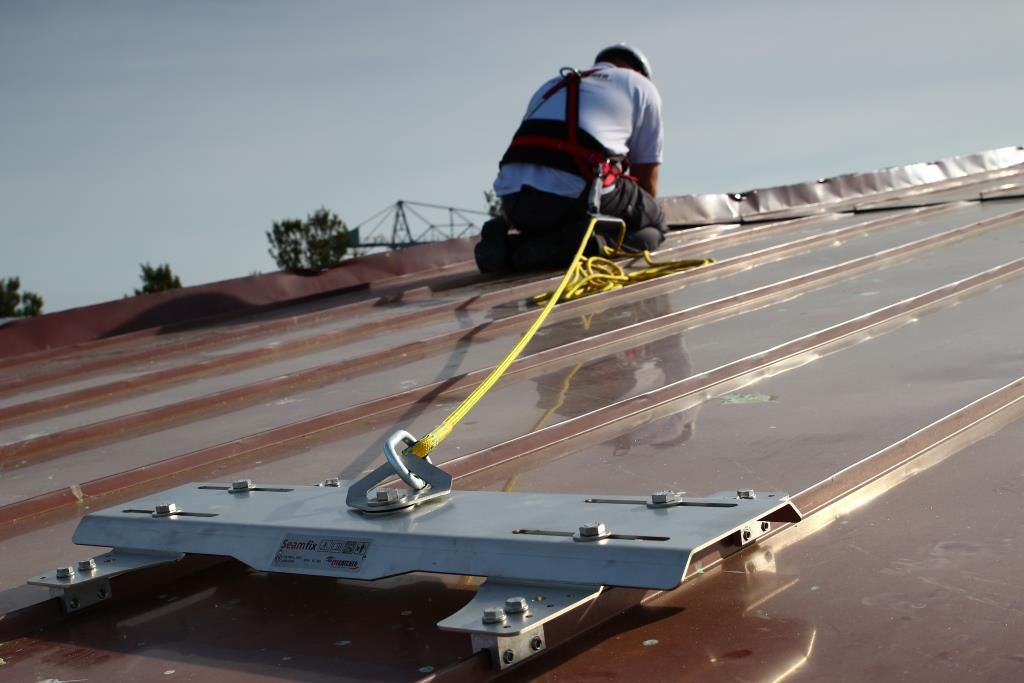
Basic protective equipment may be relatively accessible, but engineered solutions can require considerably greater investment. Permanent anchors, horizontal lifelines, guardrails, access systems, and customized installations may involve product costs as well as engineering and installation expenses.
Smaller contractors and businesses operating with limited safety budgets may prioritize essential purchases over advanced systems.
This can slow adoption of sophisticated fall protection solutions, particularly in price-sensitive industries.
Cost of Engineered Installations
Engineered fall protection can provide substantial safety benefits, but site-specific systems can be expensive to design and install.
A facility may require structural assessments, engineering calculations, specialized components, professional installation, and testing.
Complex roofs, towers, industrial structures, and infrastructure assets can increase installation difficulty.
These additional expenses may discourage organizations from implementing permanent systems, especially when they perceive the investment as an upfront cost rather than a long-term safety measure.
Regulatory Complexity
Workplace safety requirements vary across countries, industries, and applications.
Organizations may need to understand multiple requirements concerning equipment selection, anchorage, inspection, worker training, rescue procedures, and documentation.
For companies operating across different regions, managing varying requirements can increase administrative complexity.
Manufacturers must also ensure that products meet applicable technical and safety expectations.
Complex regulatory environments can increase product development costs and make market entry more difficult for smaller manufacturers.
Limited Awareness Among Smaller Businesses
Large corporations often have dedicated safety departments and established workplace protection programs.
Smaller contractors and businesses may have fewer resources for specialized safety management.
Some smaller organizations may focus primarily on basic protective equipment without fully assessing the need for engineered systems, inspection programs, rescue planning, or formal training.
Limited awareness can therefore restrict demand for advanced solutions.
Manufacturers and distributors may need to invest in education and technical support to demonstrate the value of comprehensive fall protection.
Inadequate Worker Training
Equipment effectiveness depends heavily on correct use.
Workers need to understand equipment selection, fitting, adjustment, inspection, connection, limitations, and emergency procedures.
Insufficient training can result in improper equipment use or inconsistent compliance with workplace safety procedures.
Organizations may also experience difficulties when employee turnover requires frequent retraining.
Training costs and time requirements can become an additional barrier, particularly for contractors managing large temporary workforces.
Resistance to Wearing Protective Equipment
Worker acceptance can influence actual equipment utilization.
Harnesses and related systems may feel restrictive or uncomfortable, particularly during long work periods or physically demanding activities.
If equipment is poorly fitted or difficult to adjust, workers may be less willing to use it correctly.
This creates a challenge for manufacturers because safety performance depends not only on product design but also on user acceptance.
Ergonomic improvements can help address this restraint, but developing comfortable and high-performance equipment can increase manufacturing complexity.
Maintenance and Inspection Requirements
Fall protection equipment requires appropriate inspection and maintenance.
Harnesses, connectors, lifelines, anchors, and other components may experience wear, environmental exposure, contamination, or accidental damage.
Organizations must establish procedures for identifying equipment that may no longer be suitable for use.
Regular inspection creates additional administrative and operational costs.
Companies with large equipment inventories may also find it difficult to maintain accurate records and ensure that every item is inspected on schedule.
Replacement Costs
Replacement requirements can create financial pressure for customers.
Equipment may need to be removed from service because of damage, wear, environmental exposure, or changes in workplace requirements.
Although replacement demand supports the industry, frequent replacement can be challenging for customers operating under tight budgets.
Organizations may delay replacement decisions if safety-management processes are weak, creating another challenge for manufacturers and safety professionals.
Installation Challenges
Some workplaces present difficult installation conditions.
Older buildings, complex roofs, fragile surfaces, restricted access areas, and unusual structural configurations may make it difficult to install permanent fall protection systems.
Engineering assessments may be necessary before anchors or other components can be installed.
In some cases, structural modifications may be required.
These complications can increase project timelines and costs, making customers more hesitant to adopt permanent solutions.
Lack of Standardization Across Work Environments
Fall protection requirements vary significantly by application.
A telecommunications tower has different requirements from a warehouse roof, wind turbine, bridge, construction site, or manufacturing facility.
This variation makes it difficult for manufacturers to develop a single universal solution.
Companies often need multiple product categories and specialized systems to serve different industries.
Maintaining broad product portfolios can increase research, manufacturing, inventory, certification, and distribution costs.
Supply Chain Constraints
Fall protection products rely on specialized materials and components, including textiles, metals, polymers, hardware, energy-absorbing components, and packaging materials.
Disruptions in the availability of these inputs can affect production schedules and product delivery.
Manufacturers serving large construction projects may face pressure to maintain reliable inventory levels.
Supply-chain disruptions can also increase manufacturing costs and make pricing less predictable.
Companies may need diversified suppliers and stronger inventory planning to reduce these risks.
Competition and Price Sensitivity
Price competition can limit profitability for manufacturers.
Some customers compare products primarily on upfront price rather than lifecycle performance, durability, technical support, or total ownership costs.
Low-cost alternatives can create pressure on established manufacturers investing heavily in engineering, testing, certification, and product development.
Companies must therefore communicate product value while maintaining competitive pricing.
Strong branding, technical expertise, quality assurance, and service capabilities can help differentiate premium products.
Technological Integration Challenges
Digital inspection platforms and asset-management systems are becoming more common, but integrating technology into existing safety programs can be difficult.
Organizations may lack suitable digital infrastructure or trained personnel.
Employees may also resist adopting new software if existing manual processes are familiar.
Cybersecurity, data management, system compatibility, and ongoing software costs can create additional considerations.
Technology can improve safety management, but adoption may remain gradual when customers lack the resources or expertise needed to implement digital systems effectively.
Difficulties in Measuring Return on Investment
One challenge is demonstrating the financial return from fall protection investments.
Safety systems are designed primarily to prevent incidents, meaning their value is often associated with events that do not occur.
Businesses may find it difficult to quantify the direct financial benefit of purchasing advanced equipment.
Decision-makers may therefore prioritize investments with immediate operational returns.
Safety suppliers can address this challenge by demonstrating lifecycle value, compliance benefits, reduced downtime, improved inspection processes, and potential reductions in incident-related costs.
Seasonal and Project-Based Demand
Some applications are closely connected to construction schedules and infrastructure projects.
Demand can fluctuate depending on project pipelines, economic conditions, weather, and investment cycles.
Project-based purchasing can make sales volumes less predictable for manufacturers and distributors.
Companies may need flexible production planning and diversified customer portfolios to reduce exposure to fluctuations in individual industries.
Shortage of Skilled Safety Professionals
Effective fall protection programs often require trained safety personnel who can identify hazards, select suitable equipment, evaluate systems, and manage inspections.
A shortage of qualified professionals can limit the ability of organizations to implement advanced protection programs.
Manufacturers and service providers can help address this issue through technical education, certification programs, installation support, and consulting services.
Key Restraints Affecting the Industry
Several major factors can influence the pace of industry development:
- High initial equipment costs
- Expensive engineered installations
- Regulatory complexity
- Limited awareness among smaller businesses
- Inadequate worker training
- Equipment discomfort
- Inspection and maintenance expenses
- Replacement costs
- Installation difficulties
- Application-specific requirements
- Supply-chain disruptions
- Price competition
- Digital adoption challenges
- Difficulty measuring safety investment returns
- Project-based demand
- Shortage of skilled safety professionals
Strategies to Address Market Restraints
Manufacturers can reduce some of these barriers by developing cost-effective and modular solutions.
Lightweight and ergonomic products can improve user acceptance, while simplified inspection processes can reduce administrative workloads.
Training programs can help organizations improve equipment utilization and safety awareness.
Digital platforms can also simplify inspection records, equipment tracking, and maintenance scheduling.
For smaller businesses, flexible product packages and scalable systems may make advanced fall protection more accessible.
Strong distribution networks can further improve product availability and technical support.
Future Perspective
Although several restraints remain, the industry's long-term direction is supported by continuing workplace safety requirements.
Manufacturers are increasingly focusing on products that combine protection, comfort, durability, ease of use, and cost efficiency.
Digital management tools may gradually reduce administrative challenges associated with inspections and equipment tracking.
At the same time, specialized industries such as renewable energy, telecommunications, infrastructure maintenance, and industrial services can create new applications.
The ability to address cost, training, usability, compliance, and installation challenges will be important for companies seeking sustainable industry growth.
The product fall protection systems market restraints are closely connected with cost, regulatory complexity, training requirements, equipment management, installation challenges, and varying workplace conditions.
High upfront investment can limit adoption of advanced systems, while inadequate training and worker resistance can reduce effective equipment utilization. Maintenance, replacement, supply-chain issues, and application-specific requirements add further challenges.
However, manufacturers and service providers can address many of these barriers through ergonomic product development, modular designs, training programs, digital inspection tools, customized engineering, and comprehensive support services.
As organizations continue strengthening workplace safety programs, companies capable of making fall protection more accessible, practical, comfortable, and manageable can improve adoption while helping customers overcome the industry's key restraints.
Written as -https://www.pristinemarketinsights.com/product-fall-protection-systems-market-report