PCB Prototype Manufacturing: From Initial Design to Production-Ready Electronics
PCB prototype manufacturing is an essential stage in developing reliable electronic products. Before a printed circuit board (PCB) enters full-scale production, engineers need to verify its design, evaluate component performance, and identify potential manufacturing issues. A well-planned prototype provides an opportunity to test these elements under controlled conditions, helping development teams refine their designs and reduce the risk of costly problems later.
As electronic products become more sophisticated, PCB prototypes play an increasingly important role in ensuring functionality, reliability, and manufacturability. From industrial control systems to medical devices and aerospace electronics, prototyping allows manufacturers to turn complex concepts into practical, tested hardware.
Understanding PCB Prototype Manufacturing
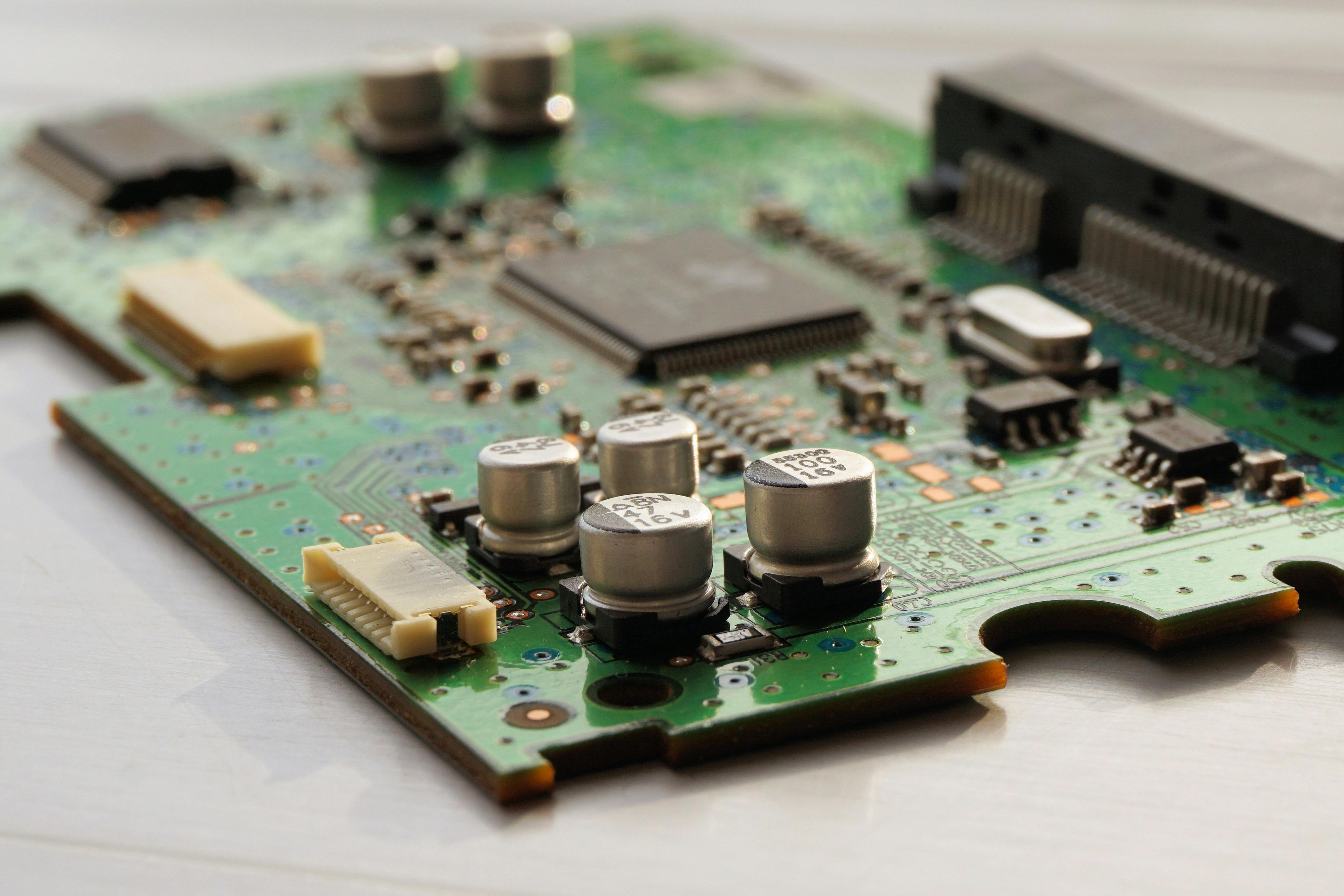
PCB prototype manufacturing is the process of producing a limited number of printed circuit boards to evaluate a design before committing to larger production volumes. These early builds help engineers confirm that circuit layouts, electrical connections, component placements, and board materials meet the intended requirements.
Unlike mass production, which prioritizes repeatability and volume efficiency, prototype manufacturing emphasizes flexibility, design verification, and rapid feedback. Engineers may produce several versions of a board, adjusting the layout or component selection after each round of testing.
A prototype can reveal problems that are difficult to identify through design software alone. Signal interference, thermal issues, component compatibility, and physical layout constraints may become apparent only after a board has been fabricated and assembled. Identifying these concerns early gives development teams an opportunity to make corrections before production investments increase.
Why Prototyping Is Important in Electronics Development
Electronic product development involves multiple technical decisions, including component selection, circuit design, material specifications, and manufacturing processes. Errors in any of these areas can affect product performance, cost, and reliability.
PCB prototypes provide a practical way to evaluate those decisions before finalizing a design. Engineers can test whether a circuit performs as expected, determine whether components operate within acceptable limits, and identify opportunities to simplify the board.
Prototyping also supports better cost management. A small design correction during development is generally easier to implement than a major revision after hundreds or thousands of boards have been manufactured. Early validation can reduce material waste, rework, production delays, and the likelihood of field failures.
Another advantage is improved communication between engineering and manufacturing teams. A physical prototype gives designers, technicians, and production specialists a shared reference for discussing assembly requirements, inspection procedures, and potential manufacturing challenges.
The PCB Prototype Manufacturing Process
Successful prototype development begins with a structured process that connects design requirements with practical manufacturing considerations.
1. Reviewing the Design and Requirements
The first stage involves reviewing the circuit schematic, PCB layout, bill of materials, and relevant design documentation. Engineers assess the board's intended function, operating environment, electrical requirements, and physical constraints.
This review can identify design concerns before fabrication begins. Examples include insufficient spacing between components, difficult-to-access test points, unsuitable connector placement, and layout features that could complicate assembly.
Design-for-manufacturability considerations are particularly valuable at this stage. A board may work in simulation but still be difficult or expensive to manufacture consistently. Evaluating fabrication and assembly requirements early helps reduce these risks.
2. Selecting Materials and Components
Material selection influences a PCB's electrical performance, mechanical durability, thermal behavior, and overall cost. Standard rigid boards may suit many applications, while flexible or rigid-flex constructions can accommodate products that require movement, compact packaging, or specialized form factors.
Component selection is equally important. Engineers must consider availability, operating temperature, electrical specifications, package dimensions, and compatibility with the intended assembly process.
For applications involving vibration, moisture, elevated temperatures, or other demanding conditions, material and component choices require additional attention. The prototype should reflect the conditions the finished product is expected to encounter.
3. Fabricating the Printed Circuit Board
Once the design and materials are approved, the board moves into fabrication. Depending on the design, this may involve copper patterning, drilling, plating, lamination, solder mask application, and surface finishing.
Multilayer PCBs require careful alignment and interconnection between conductive layers. Rigid-flex designs introduce additional considerations because rigid sections and flexible circuits must work together without compromising electrical continuity or mechanical integrity.
Fabrication requirements vary according to board complexity, layer count, trace dimensions, and application-specific tolerances. Clear specifications and suitable inspection procedures help ensure that the manufactured board matches the approved design.
4. Assembling Electronic Components
After fabrication, electronic components are installed using the appropriate assembly method. Surface-mount technology (SMT) is widely used for compact, high-density designs, while through-hole assembly remains useful for certain connectors, power components, and mechanically demanding applications.
Assembly quality depends on accurate component placement, suitable soldering conditions, correct component orientation, and effective process control.
A prototype assembly can also reveal practical challenges that were not obvious during layout development. Components may be difficult to access, connectors may interfere with enclosures, or certain parts may require revised footprints. Identifying these issues before production helps improve the design and assembly process.
5. Inspecting and Testing the Prototype
Inspection and testing determine whether the prototype meets its design requirements. Visual inspection can reveal soldering defects, misplaced components, damaged connections, or alignment problems.
Electrical tests may include continuity checks, short-circuit detection, power-on verification, and functional testing. More complex designs may require signal-integrity analysis, thermal evaluation, environmental testing, or specialized measurements.
Testing should be based on the product's intended function and risk profile. A basic prototype may require straightforward electrical verification, while a board intended for a demanding industrial or medical application may need a more comprehensive validation plan.
Test results should be documented so engineers can identify recurring issues, compare prototype revisions, and make informed decisions about design changes.
Different Types of PCB Prototypes
The appropriate prototype type depends on the development stage, board complexity, and intended application.
Single-layer and double-layer prototypes are often suitable for relatively straightforward circuits, allowing engineers to validate basic electrical functions and component arrangements.
Multilayer PCB prototypes support more complex electronic systems requiring additional routing capacity, controlled impedance, or separation between signal and power layers. They are common in computing, communications, industrial controls, and advanced instrumentation.
Flexible PCB prototypes are useful when a product requires lightweight interconnections, compact packaging, or the ability to bend during installation or operation.
Rigid-flex PCB prototypes combine rigid board sections with flexible circuitry. They can reduce connector requirements and support compact electronic assemblies, although their fabrication and mechanical design may require more specialized engineering.
Selecting the appropriate construction early helps ensure that prototype testing reflects the needs of the final product.
Improving Speed Without Sacrificing Quality
Rapid PCB prototyping can shorten development cycles by enabling engineers to evaluate designs and implement changes quickly. However, speed should not come at the expense of verification or documentation.
Clear design files, accurate bills of materials, early component sourcing, and well-defined testing criteria can reduce unnecessary delays. Coordinating fabrication and assembly requirements also helps prevent avoidable revisions.
An effective feedback process is equally important. After each prototype build, engineering teams should document defects, review test results, identify root causes, and prioritize necessary modifications. This approach makes each iteration purposeful rather than simply repeating the manufacturing process.
Standardized procedures can also support consistency as a design moves from early prototypes to pilot production. Recording material specifications, assembly parameters, inspection results, and approved revisions creates a foundation for repeatable manufacturing.
Moving From Prototype to Production
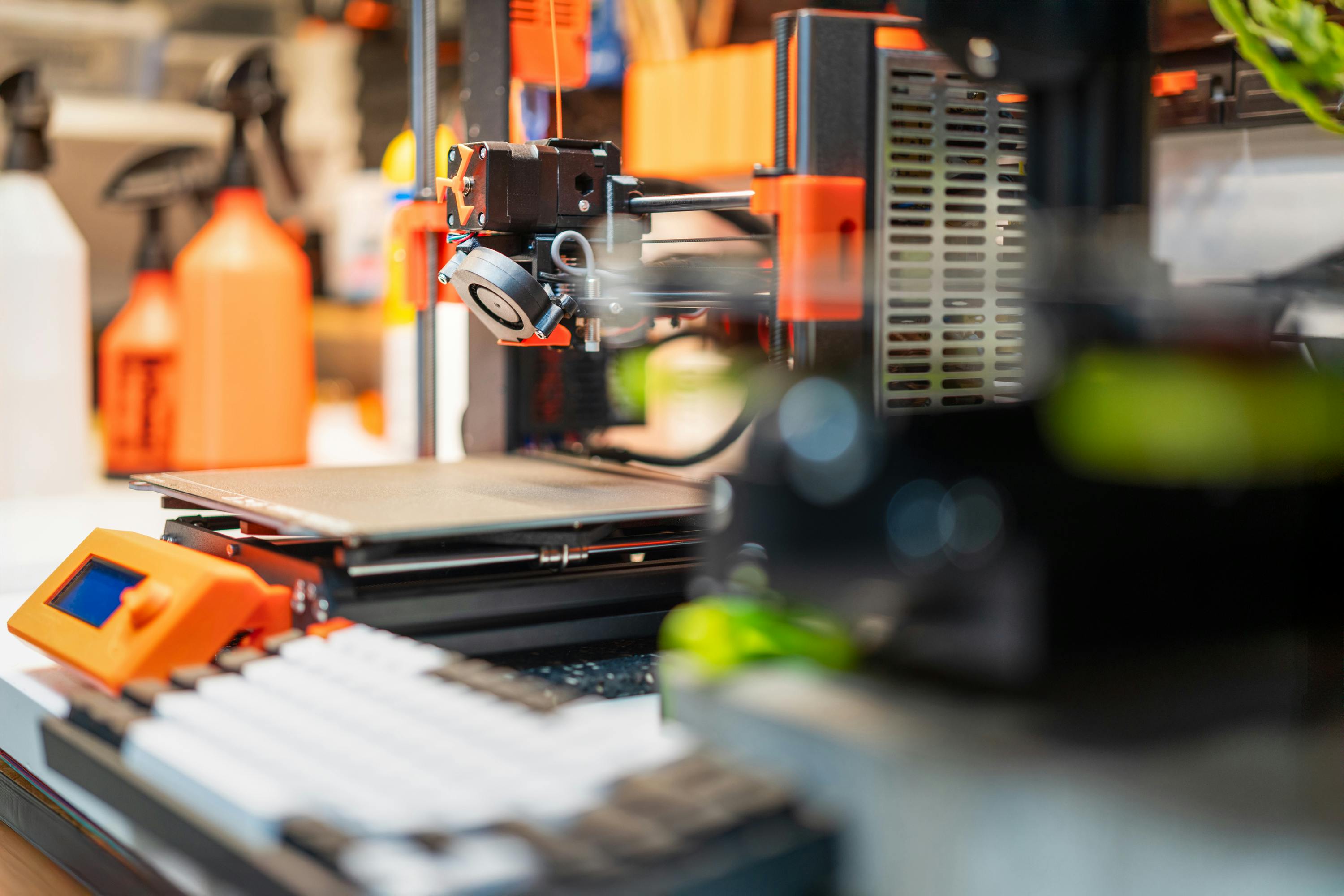
A successful prototype does not automatically guarantee that a design is ready for mass production. Production readiness requires additional evaluation of manufacturing capacity, component availability, process repeatability, quality controls, and expected demand.
Pilot builds can help bridge this gap. These limited production runs provide an opportunity to evaluate the design using manufacturing processes closer to those intended for larger volumes.
During this stage, teams may assess assembly time, inspection requirements, test coverage, material usage, and potential bottlenecks. They can also refine work instructions and establish procedures for identifying and correcting defects.
Supply chain coordination becomes increasingly important as production volumes grow. Components used successfully in prototypes may have long lead times or limited availability, making alternative sourcing strategies and lifecycle planning essential.
Documented design revisions and clear communication between engineering, procurement, and manufacturing teams help maintain consistency during the transition.
PCB Prototyping for High-Reliability Applications
Industries such as aerospace, defense, medical technology, energy, and industrial automation often require electronics to operate reliably under demanding conditions. In these applications, prototype testing may need to address temperature variations, vibration, electrical noise, moisture, and other environmental stresses.
The level of testing depends on the intended application, applicable standards, and consequences of product failure. A prototype can help identify weaknesses, but it does not independently establish regulatory compliance or guarantee long-term reliability.
Manufacturers should define acceptance criteria early, maintain traceable documentation, and ensure that testing reflects realistic operating conditions. These practices support better design decisions and help establish a clear path toward production qualification.
Building a Strong Foundation for Electronic Products
PCB prototype manufacturing connects electronic design with practical performance. By validating circuit functionality, assessing material choices, refining component placement, and identifying assembly challenges, manufacturers can make better decisions before committing to full-scale production.
A disciplined prototyping process also improves communication, strengthens quality planning, and supports a more predictable transition to manufacturing. Whether a project involves a simple circuit board or a complex multilayer assembly, early testing and careful documentation can reduce avoidable risks and improve product readiness.
Investing in effective PCB prototyping gives development teams a clearer understanding of their designs and a stronger foundation for producing reliable electronic products at scale.