Roofer near me: A Practical Guide to Choosing the Right Roofing Professional
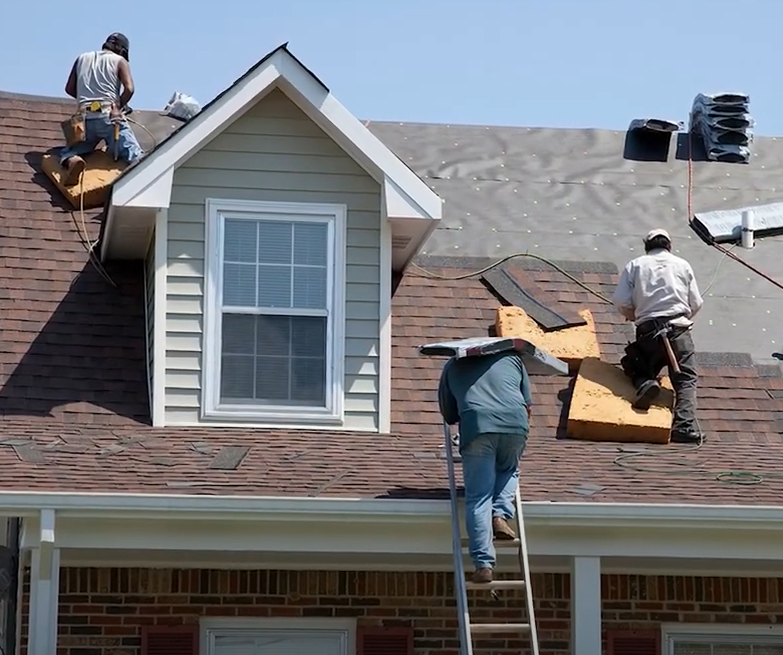
Searching for a Roofer near me is often something homeowners do when a roofing problem can no longer be ignored. Maybe a ceiling stain appeared after heavy rain, a few shingles blew away during a storm, or an older roof has started showing visible wear. Whatever the reason, choosing a contractor should not be based only on who answers the phone first. The right roofing professional should be able to identify the problem, explain the available options, and help protect the home from further damage.
What Makes a Local Roofing Contractor a Good Choice?
A roofing company can look impressive online, but homeowners should look beyond advertisements when deciding who to trust with their property. Experience, communication, inspection practices, and attention to detail all matter once work begins.
A dependable local roofing contractor should first understand the condition of the roof before recommending a solution. That means looking beyond an obvious damaged shingle and considering surrounding materials, flashing, roof edges, penetrations, ventilation, and signs of moisture.
Communication matters just as much as technical ability. Homeowners deserve an explanation that makes sense without having to understand roofing terminology. If a contractor recommends a repair, the homeowner should know what is damaged, why the repair is needed, and what could happen if the issue is left untreated.
A good contractor also understands that not every roof requires the same solution. A minor repair should not automatically turn into a replacement recommendation, and an extensively deteriorated roof should not be kept together through endless temporary fixes.
Why Regional Weather Can Affect Roof Performance
Homes in Milwaukee, WI experience changing weather throughout the year, and roofing systems have to withstand those conditions season after season. Snow, ice, rain, wind, hail, humidity, and temperature swings can all contribute to gradual deterioration.
Freeze-and-thaw cycles can put stress on vulnerable roofing areas. Strong winds may loosen or displace shingles, while hail can damage roofing materials without leaving dramatic marks that are easy to spot from the ground. Winter ice dams can also contribute to moisture intrusion around roof edges.
A knowledgeable Wisconsin roofing specialist understands that weather-related wear can develop gradually. A roof may continue to look acceptable from a distance while small weaknesses are forming around flashing, seams, penetrations, or other exposed areas.
That is why an inspection after significant weather or when unusual symptoms appear can be worthwhile. Finding a problem early gives the homeowner more time to consider practical options instead of reacting to an emergency.
Common Signs That Your Roof Needs Professional Attention
Not every roofing problem starts with water dripping from the ceiling. In many cases, the earliest warning signs are outside the living area.
Homeowners should keep an eye out for:
- Missing, cracked, curled, or lifted shingles
- Dark or unusual patches on roofing materials
- Granules accumulating in gutters or downspouts
- Damaged flashing around chimneys, vents, or roof openings
- Water stains on ceilings or interior walls
- Damp insulation or unusual attic moisture
- Sagging areas along the roofline
- Recurring leaks after rainfall
- Visible damage following hail or high winds
- Daylight visible through the roof deck from inside the attic
A residential roofing specialist can assess these signs and determine whether the concern is isolated or part of a larger roofing issue.
This distinction is important. A few damaged shingles may be repairable, while widespread deterioration can indicate that the roofing system needs more comprehensive attention. Getting an informed assessment helps homeowners avoid both unnecessary work and delayed repairs.
Roof Repair or Replacement: How Do You Decide?
Deciding between repair and replacement can be difficult when the problem is not fully understood. Homeowners may see a damaged area but have no way of knowing whether the underlying roofing system is still performing properly.
A roof repair professional may recommend localized work when the damage is limited and the surrounding materials remain in reasonable condition. Depending on the situation, repairs might involve replacing damaged shingles, correcting flashing, sealing a vulnerable area, or addressing another specific source of moisture intrusion.
Replacement may be more appropriate when deterioration is extensive, leaks continue to return, multiple areas have failed, or the roof has reached the later stages of its useful life.
Age alone should not automatically determine the answer. Likewise, a single damaged area does not necessarily mean the entire roof needs to be replaced.
A professional inspection provides the information needed to make that decision with greater confidence. Instead of guessing from the driveway, homeowners can base the decision on the roof's actual condition.
What Homeowners Should Do After a Storm
Severe weather deserves particular attention because roofing damage can happen quickly. Hail may affect shingles, wind can lift or remove roofing materials, and falling branches can create punctures or other openings.
After a major storm, homeowners should resist the temptation to climb onto the roof themselves. Wet surfaces, loose materials, and hidden damage can create serious safety concerns.
Start by checking the property from the ground. Look for missing shingles, displaced materials, visible openings, fallen branches, damaged gutters, or other changes that were not present before the storm.
If damage is suspected, a storm damage roofing specialist can provide a closer assessment. Taking photographs of visible damage can also create a useful record of the property's condition.
When a storm has compromised the roof, prompt action can be especially important. Temporary protection, such as emergency roof tarping, may help limit additional exposure while permanent repairs are being evaluated.
What to Ask Before Hiring a Roofing Company
Homeowners do not need to be roofing experts to ask good questions. Before approving a project, consider asking:
- What did the inspection reveal?
- What is causing the current problem?
- Can the damage be repaired, or is replacement more practical?
- Which areas of the roof require attention?
- What materials and services are included in the estimate?
- Are there conditions that could change the scope of work?
- How will storm-related damage be documented?
- Does the company provide insurance claim support when appropriate?
- How will the property be protected during the project?
A reputable roofing company should be willing to answer these questions clearly. Homeowners should never feel pressured to approve expensive work without understanding why it is being recommended.
Comparing estimates can also be useful, but the lowest price is not automatically the best value. A quote should be evaluated based on the scope of work, materials, workmanship, communication, and the contractor's overall approach.
Why a Professional Roof Inspection Can Make a Difference
A roof inspection should involve more than simply looking for missing shingles. A knowledgeable contractor can evaluate visible deterioration, moisture concerns, flashing, storm-related damage, and other vulnerable areas.
Professional inspections can be useful in several situations. A homeowner may want an assessment after severe weather, before purchasing a property, when recurring leaks appear, or when an older roof begins showing signs of deterioration.
An inspection can also help separate an isolated problem from a larger concern. For example, a ceiling stain does not necessarily identify the exact entry point of water. Moisture can travel beneath roofing materials before becoming visible inside the home.
Understanding the source of the problem makes it easier to determine what needs to be addressed and what does not.
Choosing Roofing Services That Fit Your Home
Absolute Restorations takes a practical approach to residential roofing by focusing on the property's condition and the homeowner's needs. The company provides roof inspections, repairs, replacements, storm damage roofing, hail and wind damage services, emergency roof tarping, ice dam removal, and insurance claim support.
With more than 28 years of experience, Absolute Restorations works with homeowners dealing with both everyday roofing concerns and weather-related damage. Rather than assuming every situation requires the same answer, the goal is to inspect the roof, explain the findings, and help homeowners understand the available options.
For anyone comparing a residential roofing company, that kind of straightforward approach can make an uncertain situation easier to manage. Roofing work is an investment in the protection of the home, so homeowners should have confidence in both the recommendation and the people carrying it out.
Frequently Asked Questions
1. When should I schedule a professional roof inspection?
An inspection is worth considering when you notice leaks, missing or damaged shingles, attic moisture, visible deterioration, or signs of storm damage. It can also be useful for an older roof or after severe weather.
2. Can a small roof leak cause significant damage?
Yes. Water can enter through a relatively small opening and travel beneath roofing materials before appearing on a ceiling or wall. If moisture remains undetected, it may affect insulation, decking, drywall, or other areas.
3. Does damaged roofing always need to be replaced?
No. Localized damage may be suitable for repair when the rest of the roofing system remains in good condition. Replacement becomes more relevant when deterioration is widespread or problems repeatedly return.
4. How can I identify storm damage without climbing onto the roof?
From the ground, look for missing or displaced shingles, debris, exposed areas, damaged gutters, or changes that appeared after the storm. Because some hail and wind damage is difficult to see, a professional assessment may still be necessary.
5. Is it safe to inspect my roof after a storm?
It is safer to avoid climbing onto the roof. Wet surfaces, unstable roofing materials, and hidden damage can increase the risk of injury. A qualified roofing professional can inspect the area more safely.
6. Can Absolute Restorations help with insurance-related roofing concerns?
Yes. Absolute Restorations provides insurance claim support for eligible storm-related roofing situations and can help homeowners better understand the documentation and restoration process.
Final Thoughts
A roof does much more than complete the appearance of a home. It helps protect the structure, interior spaces, insulation, belongings, and the people living inside. When something goes wrong, choosing the right contractor can make the difference between a thoughtful solution and an expensive cycle of temporary fixes.
Homeowners should look for experience, clear communication, careful inspections, and recommendations based on the actual condition of the roof. Whether the concern is storm damage, a recurring leak, aging materials, or a few missing shingles, professional guidance can provide a clearer path forward.
Get Reliable Roofing Help From Absolute Restorations
Need dependable roofing help for your home? Contact Absolute Restorations to schedule a professional inspection and discuss your roofing concerns with an experienced team. From roof repairs and replacements to storm damage, emergency protection, ice dam removal, and insurance claim support, Absolute Restorations can help you understand the situation and choose a practical solution for your property.