Mussel-inspired nanoparticles to fight pancreatic tumors/Nanopartículas inspiradas en los mejillones para combatir el tumor de páncreas
Source
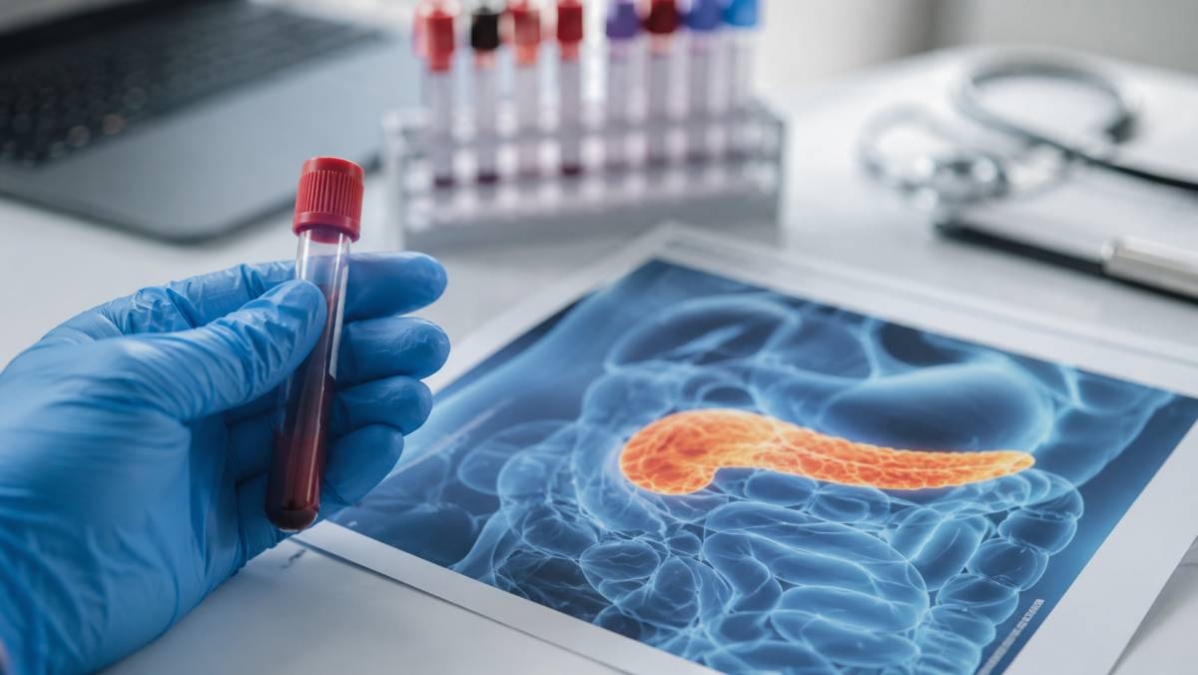
Pancreatic cancer accounts for approximately 2.5% of all new tumors diagnosed worldwide, with more than 450,000 cases annually. Although its frequency is lower than that of other cancers such as breast or lung cancer, it is notable for its extreme aggressiveness and high mortality rate, making it one of the leading causes of cancer death globally. It has one of the lowest survival rates, as between 75% and 85% of patients are diagnosed at advanced stages due to the absence of initial symptoms.
El cáncer de páncreas representa cerca del 2,5 % de todos los nuevos tumores diagnosticados en el mundo, con más de 450.000 casos anuales. Aunque su frecuencia es menor que la de otros cánceres como el de mama o pulmón, destaca por su extrema agresividad y alta mortalidad, siendo una de las principales causas de muerte por cáncer a nivel global. Presenta una de las tasas de supervivencia más bajas, ya que entre el 75 % y el 85 % de los pacientes se diagnostican en fases avanzadas debido a la ausencia de síntomas iniciales.
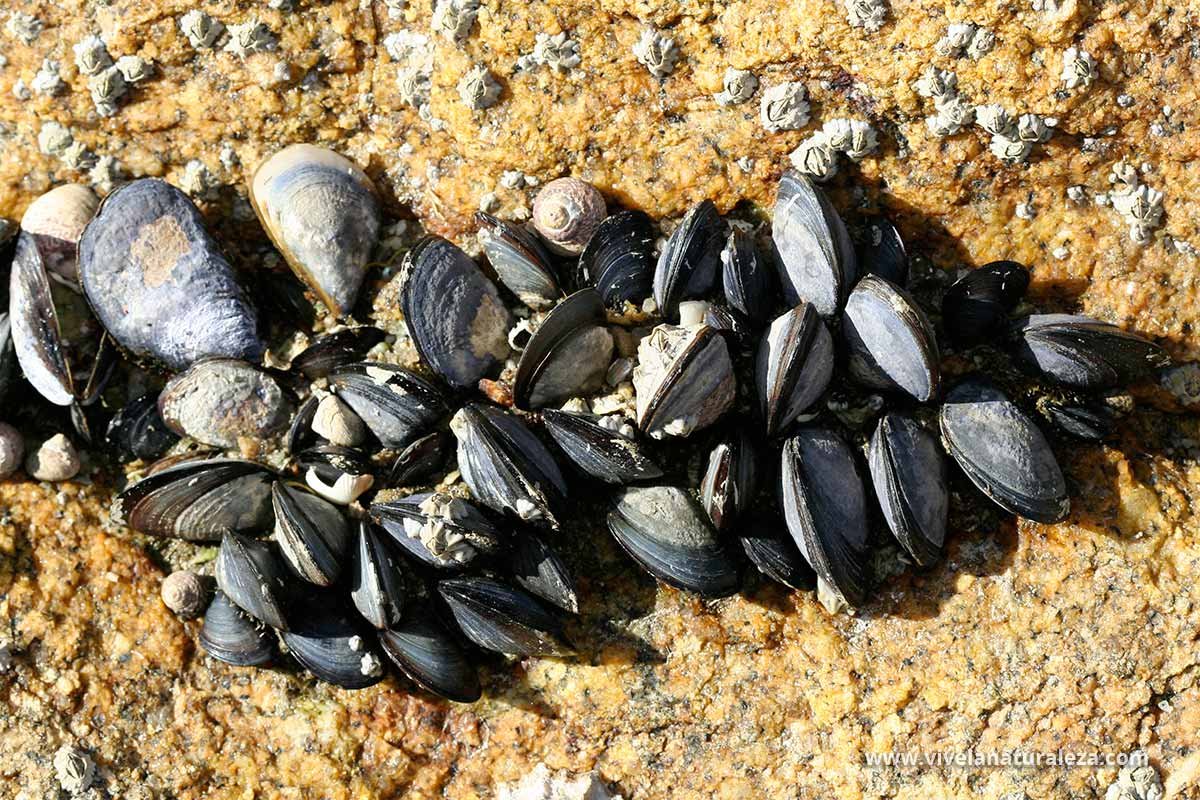
To address this problem, a team of South Korean researchers has developed mussel-inspired nanoparticles that activate within cancerous tissue to destroy the tumor. This technology is inspired by mussels' ability to firmly adhere to rocks in the water. To achieve this, the research team created a protein similar to the one mussels use for adhesion using biotechnology. These proteins were then assembled into nanoparticles that carry gemcitabine, the standard chemotherapy drug for pancreatic cancer.
Para intentar paliar este problema, un equipo de investigadores surcoreanos han desarrollado unas nanopartículas inspiradas en los mejillones que se activan en el tejido del cáncer para acabar con el tumor. Esta tecnología se inspira en la capacidad de los mejillones para adherirse firmemente a las rocas en el agua. Para lograrlo, el equipo de investigación creó una proteína similar a la que usan los mejillones para adherirse utilizando biotecnología. Estas proteínas se ensamblaron en nanopartículas que llevan en su interior gemcitabina, el fármaco de quimioterapia estándar para el cáncer de páncreas.

Source
To allow them to travel safely through the bloodstream without being attacked by the immune system and without adhering to healthy tissue, the surface of the nanoparticles was coated with a layer of polyethylene glycol (PEG). The PEG shield was attached to the nanoparticle by a "hook" (a peptide) that is specifically cleaved by an enzyme called MMP2. This enzyme is produced in large quantities in pancreatic cancer tissue, but not in healthy tissue. The particle travels "camouflaged" by the PEG shield, without causing harm.
Para que viajen de forma segura por el torrente sanguíneo sin ser atacadas por el sistema inmunitario y sin adherirse a tejidos sanos, se recubrió la superficie de las nanopartículas con una capa de polietilenglicol (PEG). El escudo de PEG se unió a la nanopartícula mediante un "enganche" (un péptido) que es cortado específicamente por una enzima llamada MMP2. Esta enzima se produce en grandes cantidades en el tejido del cáncer de páncreas, pero no en los tejidos sanos. La partícula viaja de forma "camuflada" gracias al escudo de PEG, sin causar daños.
The PEG shield encounters the MMP2 enzyme, which cleaves and removes it. Without the shield, the nanoparticle regains its adhesive power and binds firmly to the tumor tissue, penetrating the cancer cells and delivering chemotherapy in a localized and continuous manner. Results in animal models of pancreatic cancer have been remarkable. Tumor volume and weight were reduced by half compared to the drug alone, and no systemic toxicity was observed, suggesting that the drug acts primarily on the tumor and does not harm healthy organs.
El escudo de PEG encuentra la enzima MMP2, que lo corta y lo elimina. Sin el escudo, la nanopartícula recupera su poder adhesivo y se pega firmemente al tejido tumoral, para luego penetrar en las células cancerosas y liberar la quimioterapia de forma localizada y continua. Los resultados en modelos animales de cáncer de páncreas han sido muy destacables. El volumen y peso del tumor se redujeron a la mitad en comparación con el fármaco solo y no se observó toxicidad sistémica, lo que sugiere que el fármaco actúa principalmente en el tumor y no daña los órganos sanos.
Source
This development has significant potential impact, as it addresses one of chemotherapy's major weaknesses by enhancing its ability to remain hidden in the bloodstream and activate only in the tumor, a form of "targeted chemotherapy" that maximizes the effect on the cancer while minimizing devastating side effects for the patient. This type of tumor is highly aggressive, often diagnosed late, and responds poorly to current treatments. This platform could revolutionize the treatment landscape.
Este desarrollo tiene un gran impacto potencial ya que ataca una de las principales debilidades de la quimioterapia al aumentar su capacidad de ocultarse en el torrente sanguíneo y activarse solo en el tumor en una forma de "quimioterapia dirigida", que maximiza el efecto sobre el cáncer y minimiza los efectos secundarios devastadores para el paciente. Este tipo de tumor es muy agresivo, se diagnostica tarde y responde mal a los tratamientos actuales. Esta plataforma podría cambiar el panorama del tratamiento.
The system is activated by a specific characteristic of the tumor microenvironment (the MMP2 enzyme), making it a highly selective treatment. The research team plans to further develop this platform so that it can be applied to the treatment of other difficult-to-treat solid tumors, not just pancreatic cancer. It is important to remember that these results are preliminary and were obtained in animal models. A long road of research and clinical trials remains to demonstrate its safety and effectiveness in humans. However, the current data are very encouraging and open a new and promising avenue in the fight against cancer.
El sistema se activa por una característica específica del microambiente tumoral (la enzima MMP2), lo que lo convierte en un tratamiento muy selectivo. El equipo investigador planea seguir desarrollando esta plataforma para que pueda aplicarse al tratamiento de otros tumores sólidos de difícil tratamiento, no solo el cáncer de páncreas. Es importante recordar que estos resultados son preliminares y en modelos animales. Aún queda un largo camino de investigación y ensayos clínicos para demostrar que es seguro y efectivo en humanos. Sin embargo, los datos actuales son muy alentadores y abren una nueva y prometedora vía en la lucha contra el cáncer.
More information/Más información
https://phys.org/news/2026-07-stealth-anticancer-nanoparticles-mussel-proteins.html
Debe haber un cáncer para cada órgano del cuerpo. No sabía del cáncer del páncreas y que fuera tan aterradoramente silencioso. Ojalá estos avances en su tratamiento sean exitosos.
Gracias por compartir, saludos y éxitos..!
What an exciting advancement—this research truly offers hope. It's important to remember, though, that these nanoparticles are still in the preclinical phase; while the results in animal studies are promising, they haven’t yet been tested in people.
A thoughtful Steemit Post highlight how the innovative, mussel-inspired glue-like mechanism—combined with activation triggered by MMP2—could lead to more precise delivery of medicine, sparing healthy cells and minimizing side effects. The possibility of adapting this platform to treat various solid tumors adds even greater significance to this work, making it a meaningful step forward in cancer therapy.
@mauromar, a veces la mejor parte del feed son los posts que te hacen bajar un cambio. Este fue uno.
De los posts que aportan algo distinto a lo que se ve habitualmente en el feed. Gracias por profundizar en lugar de quedarte en la superficie.
¿De verdad estás leyendo esto? He leído ocho días de tus comentarios y no puedo evitar la impresión de que no escribes nada personal; no hay ni una sola palabra que indique que realmente estés leyendo esto, y la mayoría de los comentarios son iguales. ¿Estás usando IA o sigues trabajando en mejorar tus habilidades de redacción para escribir comentarios?
Are you actually reading this? I’ve been reading your comments for eight days now, and I can’t help feeling that you’re not writing anything personally; there isn’t a single word to suggest that you’re actually reading this, and most of your comments are the same. Are you using AI, or are you still working on improving your writing skills when it comes to posting comments?
Gracias por la honestidad. Cuando alguien escribe desde lo que vivió y no desde lo que leyó, se nota y se agradece.