The Diversity of Silhouette Styles: Understanding Every Cut in Modern Men's Underwear
Underwear used to be a two-option decision. Loose or tight. Boxer or brief. Today the category has fragmented into a genuine spectrum of silhouettes, each engineered around a different balance of coverage, support, ventilation, and visual line. Understanding that spectrum is the difference between tolerating your underwear and actually benefiting from it.
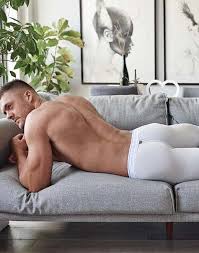
Classic Boxers: Maximum Air, Minimum Structure
The woven boxer is the category's elder statesman. Cut loose from poplin, cotton, or lightweight flannel, it offers almost no compression and excellent airflow. The leg falls freely, the waistband sits high, and nothing is held in place.
That's both its virtue and its flaw. Boxers excel for sleeping and lounging, but they bunch under fitted trousers, ride up during walking, and provide no support whatsoever. They're a rest-state garment, not a working one.
Trunks and Boxer Briefs: The Contemporary Standard
The boxer brief brought stretch fabric and a fitted seat to the boxer's basic shape. The trunk then cropped the leg to roughly 3–5cm, creating a compact, squared-off silhouette that sits neatly at the upper thigh.
This is now the global default cut, and deservedly so. Trunks support without squeezing, stay put through movement, and vanish under slim trousers. For most men, most days, this is the correct answer — provided the leg band is soft enough not to leave a mark.
Briefs and Low-Rise Bikinis
Briefs have been quietly modernised. Today's versions use lighter knits, higher-cut hips, and contoured front construction rather than the flat panels of decades past. They deliver the highest support-to-fabric ratio of any cut.
The low-rise bikini pushes the concept further: the waistband drops below the natural waist, the side seams narrow, and coverage reduces to the essentials. It's the cleanest option under low-rise or lightweight trousers, where any additional fabric would telegraph through.
Enhancing and Push-Up Pouches
The newest structural development borrows openly from shapewear engineering. Enhancing pouches use angled seams, internal shelf panels, or dual-layer construction to lift and project rather than merely contain.
The aesthetic intent is obvious, but the functional benefit is real: holding everything forward and upward eliminates thigh contact, which is the root cause of chafing and heat build-up. Sourcing these more technical cuts across Asia-Pacific was historically difficult, with most enhancing designs confined to European and North American retailers. That's changed — the Seductive Utopia APAC men's bodywear catalog now carries push-up and contoured-lift silhouettes alongside standard trunks and briefs, with regional stock and shipping across APAC markets.
Athletic Jockstraps
The jockstrap remains the most specialised silhouette in the category: a supportive front pouch, two elastic leg straps, an entirely open seat. Nothing else ventilates as effectively.
Modern versions have shed the clinical look entirely, using soft jacquard waistbands, mesh pouches, and technical knits. For heavy training, cycling, or genuinely hot and humid climates, the jockstrap outperforms every closed-back alternative on cooling alone.
Building a Rotation, Not a Uniform
The mistake most men make is committing to a single silhouette for every occasion. Different situations impose different demands, and no one cut satisfies all of them.
A practical rotation looks something like this: trunks for daily wear and office days, briefs or low-rise bikinis under tailoring and lightweight fabrics, jockstraps or mesh pouches for training, enhancing cuts for occasions where fit and profile matter, and loose boxers for sleep.
Match the silhouette to the situation, and the garment stops being something you notice at all — which is, ultimately, the entire point.