Sewer Suction Machine vs Sewer Jetting Machine: Key Differences
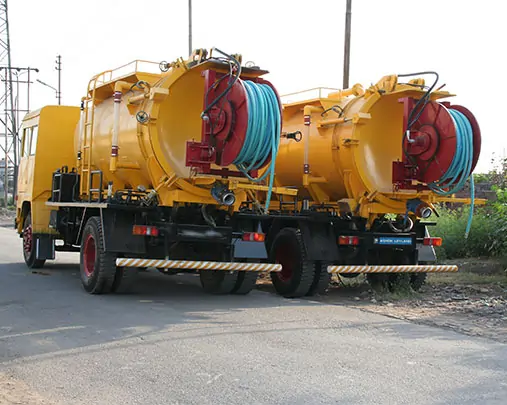
Sewer cleaning and maintenance are essential for keeping drainage systems, sewage pipelines, and municipal infrastructure functioning efficiently. Two of the most widely used machines for this purpose are the Sewer Suction Machine and the Sewer Jetting Machine. Although both machines are designed to support sewer cleaning operations, they work differently and are suitable for different types of cleaning requirements.
Understanding the difference between these machines can help municipalities, contractors, industries, and sanitation departments select the right equipment for their specific needs.
What Is a Sewer Suction Machine?
A Sewer Suction Machine is primarily designed to remove sewage, sludge, mud, wastewater, and other liquid or semi-liquid waste from drains, septic tanks, manholes, and sewer lines.
The machine generally consists of a vacuum pump, sludge or waste storage tank, suction hose, valves, and a vehicle-mounted or trailer-mounted system. The vacuum pump creates negative pressure, allowing waste material to be sucked through the hose and collected inside the storage tank.
Sewer suction machines are particularly useful when a sewer or drainage system contains a large amount of accumulated sludge or liquid waste that needs to be removed quickly.
They are commonly used for:
- Sewer and drain cleaning
- Septic tank cleaning
- Manhole cleaning
- Sludge removal
- Industrial wastewater removal
- Drainage pit cleaning
- Municipal sanitation operations
- Removal of liquid and semi-solid waste
The major advantage of a suction machine is its ability to remove and collect waste efficiently rather than simply moving the blockage inside the pipeline.
What Is a Sewer Jetting Machine?
A Sewer Jetting Machine uses high-pressure water to clean sewer pipelines, drains, and other underground drainage systems. The machine is equipped with a high-pressure water pump, water tank, hose reel, and specialized jetting nozzles.
During operation, high-pressure water is forced through a hose and nozzle. The powerful water jets break down accumulated dirt, grease, sludge, scale, and other deposits attached to the internal walls of the pipeline.
The nozzle can be moved through the sewer line, allowing water pressure to clean the pipeline and restore proper water flow.
Sewer jetting machines are commonly used for:
- Removing blockages
- Cleaning grease and deposits
- Removing sediment
- Pipeline maintenance
- Drain cleaning
- Industrial drain cleaning
- Municipal sewer maintenance
- Preventive sewer cleaning
Unlike a suction machine, the primary purpose of a jetting machine is to clean the internal surface of the pipeline using high-pressure water.
Key Difference Between Sewer Suction and Sewer Jetting Machines
The biggest difference between the two machines is their cleaning mechanism.
A Sewer Suction Machine uses vacuum suction to remove waste, while a Sewer Jetting Machine uses high-pressure water to break down and remove deposits from the pipeline.
For example, if a manhole or septic tank is filled with sludge, a suction machine can be used to extract the waste and store it in its tank. On the other hand, if a sewer pipeline is blocked because of grease, dirt, sediment, or accumulated deposits, a jetting machine can use high-pressure water to break the blockage and clean the pipe walls.
Suction vs Jetting: Working Principle
Sewer Suction Machine
The basic working process is:
- The suction hose is positioned inside the manhole, drain, or tank.
- The vacuum pump generates negative pressure.
- Waste material is drawn through the suction hose.
- The collected material enters the storage tank.
- The waste can then be transported to an authorized disposal location.
This process is especially effective for removing wet sludge and liquid waste.
Sewer Jetting Machine
The working process of a jetting machine is different:
- Clean water is stored in the machine's water tank.
- A high-pressure pump pressurizes the water.
- Water is delivered through a high-pressure hose.
- A specialized nozzle directs powerful water jets into the sewer line.
- Deposits and blockages are broken down.
- Waste material is pushed or carried through the pipeline for removal.
The effectiveness of jetting depends on water pressure, flow rate, hose length, nozzle design, and the nature of the blockage.
Difference in Applications
A sewer suction machine is generally preferred when the main requirement is waste extraction. It is suitable for septic tanks, manholes, sludge pits, sewage collection points, and areas containing large quantities of liquid or semi-solid waste.
A sewer jetting machine is more suitable when the objective is pipeline cleaning and blockage removal. It is particularly useful for removing grease, mud, scale, sediment, and other deposits from the internal walls of sewer pipes.
However, many professional sewer-cleaning operations require both functions.
Suction Machine vs Jetting Machine: Capacity
Capacity is another important consideration.
A suction machine generally has a waste storage tank, and its practical waste-handling capacity depends on the tank size and vacuum system. Larger tanks can handle greater quantities of sludge and sewage before unloading is required.
A jetting machine normally has a water tank, and its operating time depends on water capacity, pump flow rate, pressure, and the availability of a water source.
For large-scale sewer cleaning projects, selecting the right tank capacity can significantly improve productivity by reducing the frequency of filling or emptying the machine.
Cleaning Performance
Both machines offer different types of cleaning performance.
A suction machine performs extremely well when dealing with:
- Liquid sewage
- Sludge
- Wet waste
- Septic tank contents
- Manhole waste
- Sediment that can be vacuumed
A jetting machine performs particularly well against:
- Grease
- Dirt
- Mud deposits
- Scale
- Blockages
- Organic deposits
- Accumulated material inside pipelines
Therefore, neither machine should be considered universally better. The correct choice depends on the condition of the sewer system and the type of waste that needs to be handled.
Can Both Machines Be Used Together?
Yes. In many professional sewer-cleaning operations, combining suction and jetting capabilities provides a more complete solution.
A Sewer Suction Cum Jetting Machine combines a vacuum system with a high-pressure water jetting system. The jetting system can loosen and break down deposits, while the suction system can remove the resulting sludge and wastewater.
This combination can be especially useful for municipal sewer departments, industrial facilities, contractors, and large drainage maintenance projects.
For example, if a sewer line contains heavy sludge, operators can use high-pressure water to loosen the deposits and then use suction to collect and remove the wastewater and sludge. This reduces manual cleaning requirements and can improve overall operational efficiency.
Which Machine Should You Choose?
Choosing between a sewer suction machine and a sewer jetting machine depends mainly on your cleaning requirements.
Choose a Sewer Suction Machine if your primary requirement is:
- Removing sewage and sludge
- Emptying septic tanks
- Cleaning manholes
- Removing liquid waste
- Extracting wet waste from pits and drains
Choose a Sewer Jetting Machine if your main requirement is:
- Removing pipeline blockages
- Cleaning sewer pipe walls
- Removing grease and deposits
- Flushing drainage pipelines
- Preventive sewer maintenance
If your operations require both high-pressure cleaning and waste extraction, a combined suction and jetting machine may be the more practical option.
Conclusion
Sewer suction machines and sewer jetting machines are both valuable tools for modern sewer and drainage maintenance, but their functions are different. A Sewer Suction Machine focuses on vacuum-based waste removal, while a Sewer Jetting Machine focuses on high-pressure water cleaning and blockage removal.
The best equipment depends on the type of sewer problem, the volume and nature of waste, pipeline size, cleaning frequency, and operational requirements. For organizations that regularly handle different types of sewer-cleaning challenges, a Sewer Suction Cum Jetting Machine can provide the advantages of both technologies in a single vehicle.
By selecting the appropriate machine for the job, municipalities, contractors, industries, and sanitation departments can improve sewer maintenance efficiency, reduce manual intervention, and maintain cleaner and more reliable drainage systems.