The Role of Sewer Suction Machines in Sanitation and Waste Management
Effective sanitation and waste management are essential for maintaining public health, protecting the environment, and supporting the smooth functioning of modern cities. As urban populations grow, the amount of wastewater, sewage, and sludge generated by households, commercial establishments, and industries also increases. Managing this waste safely requires efficient equipment and well-organized systems. One of the most important technologies used in this field is the sewer suction machine, which provides a fast, hygienic, and practical method for removing sewage, sludge, and other liquid waste from drainage and sewer systems.
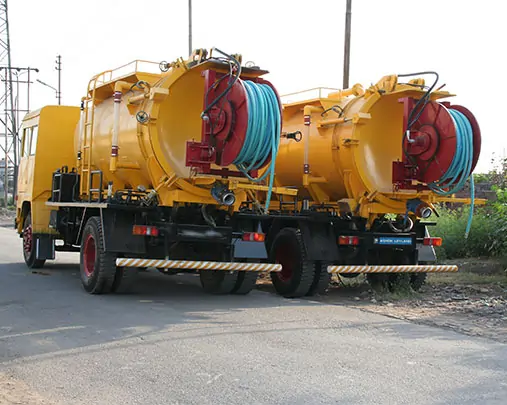
Sewer suction machines, also known as vacuum sewer cleaning or suction machines, are specialized vehicles equipped with powerful vacuum pumps and storage tanks. They are designed to remove accumulated sewage, sludge, wastewater, grease, and other debris from septic tanks, sewer lines, drains, manholes, and treatment facilities. By using mechanical suction rather than manual handling, these machines have significantly improved the efficiency and safety of sanitation operations.
Improving Sewer and Drainage Maintenance
One of the primary roles of sewer suction machines is maintaining sewer and drainage networks. Over time, sewer lines and drains can become blocked by mud, grease, solid waste, sludge, and other materials. If these blockages are not removed, wastewater may overflow onto roads, into homes, or into public spaces. Such incidents can create unpleasant odors, damage infrastructure, and increase the risk of waterborne diseases.
Sewer suction machines can quickly remove accumulated material from blocked or partially blocked systems. Their powerful vacuum pumps allow operators to extract waste from areas that may be difficult or dangerous to access manually. Regular cleaning with these machines helps keep drainage systems functioning properly and reduces the likelihood of major blockages and sewage overflows.
Enhancing Public Health and Hygiene
Poor sewage management can have serious consequences for public health. Untreated sewage may contain harmful bacteria, viruses, parasites, and other contaminants. Direct contact with sewage can expose sanitation workers and members of the public to infectious diseases.
Sewer suction machines help minimize human contact with hazardous waste. Instead of requiring workers to enter drains or manually remove sewage, the machine performs most of the extraction process mechanically. This reduces exposure to contaminated materials and creates safer working conditions for sanitation personnel.
By preventing sewage from accumulating or overflowing in residential and public areas, these machines also contribute to cleaner surroundings. Effective sewage management can help control unpleasant odors, reduce the spread of pathogens, and improve overall community hygiene.
Supporting Septic Tank and Sludge Management
In areas where centralized sewer systems are unavailable, septic tanks are widely used for wastewater treatment and disposal. These tanks accumulate sludge over time and must be emptied periodically to operate effectively. If septic tanks are not maintained, they can overflow, resulting in groundwater contamination, foul odors, and sanitation problems.
Sewer suction machines provide an efficient solution for septic tank cleaning. The vacuum pump extracts sludge and wastewater from the tank and transfers it into a sealed storage container on the vehicle. The collected material can then be transported to an authorized treatment or disposal facility.
This process is considerably more hygienic than traditional manual methods. It also allows sanitation services to manage larger quantities of waste in a shorter period, making septic tank maintenance more efficient.
Protecting the Environment
Improper disposal of sewage and sludge can cause significant environmental damage. When untreated wastewater enters rivers, lakes, agricultural land, or groundwater, it can introduce harmful pollutants and microorganisms into the environment. Excess nutrients and organic matter can also reduce water quality and damage aquatic ecosystems.
Sewer suction machines support environmentally responsible waste management by enabling the controlled collection and transportation of sewage. When the collected waste is taken to an appropriate sewage treatment plant or disposal facility, it can be processed safely rather than being released into the environment.
The machines therefore form an important link between waste collection and treatment. However, their environmental benefits depend on proper operation, responsible transportation, and disposal at approved facilities.
Improving Worker Safety
Sanitation work can involve significant occupational hazards. Sewers and septic tanks may contain toxic gases, low-oxygen environments, contaminated water, sharp objects, and unstable structures. Manual entry into confined spaces can therefore be extremely dangerous.
Suction machines reduce the need for workers to physically enter contaminated areas. Operators can generally perform extraction from outside the sewer, tank, or manhole using hoses and mechanical equipment. This helps reduce the risk of exposure to hazardous substances and accidents associated with confined-space work.
Nevertheless, machinery does not eliminate every workplace risk. Proper training, protective equipment, equipment maintenance, gas monitoring where necessary, and established safety procedures remain essential.
Increasing Efficiency and Reducing Operational Costs
Compared with manual sewage removal, mechanical suction offers considerable improvements in speed and productivity. A properly equipped suction machine can collect large quantities of liquid waste and sludge in a relatively short period. This is particularly valuable during emergencies such as blocked drains, heavy rainfall, flooding, or sewage overflow.
Faster waste removal can reduce disruption to roads, businesses, residential areas, and public facilities. Although purchasing and maintaining specialized machines requires investment, their ability to perform repetitive and labor-intensive tasks can improve long-term operational efficiency.
Modern machines may also include features such as high-capacity tanks, powerful vacuum pumps, pressure-washing systems, automated controls, and specialized hoses. These features allow a single vehicle and trained crew to perform tasks that would otherwise require substantial manual labor.
Supporting Urban and Industrial Sanitation
The importance of sewer suction machines extends beyond residential sanitation. Municipal authorities, hospitals, hotels, factories, construction sites, commercial properties, and other organizations may require regular wastewater and sludge removal.
In industrial settings, suction equipment can assist in cleaning tanks, drains, sumps, and wastewater systems. Municipal sanitation departments can use these vehicles to maintain public sewer networks and respond to emergencies. Their versatility makes them valuable tools for both routine maintenance and urgent waste-management operations.
The Future of Sewer Suction Technology
As cities become more densely populated and environmental standards become increasingly important, sanitation services will need more efficient and sustainable technologies. Sewer suction machines are likely to become more advanced through improvements in automation, monitoring, fuel efficiency, and waste-handling capacity.
Technology can also help operators monitor tank levels, equipment performance, and maintenance requirements. Better route planning and fleet management can further reduce fuel consumption and improve response times.
However, technology alone cannot solve sanitation challenges. Effective waste management also requires proper sewer infrastructure, wastewater treatment facilities, trained personnel, regulatory oversight, and public awareness about responsible waste disposal.
Conclusion
Sewer suction machines play a vital role in modern sanitation and waste management. They help maintain sewer networks, clean septic tanks, prevent sewage overflows, protect sanitation workers, and reduce the environmental risks associated with improper waste disposal. By replacing much of the hazardous manual handling of sewage with mechanical extraction, these machines make sanitation operations faster, safer, and more efficient.
As urbanization continues and sanitation demands increase, reliable sewage collection and maintenance will become even more important. Investment in modern suction equipment, skilled operators, safe working practices, and proper wastewater treatment can help communities build cleaner and healthier environments. Ultimately, sewer suction machines are not simply waste-removal vehicles; they are an important part of the infrastructure that supports public health, environmental protection, and sustainable urban development.
Also Read - Sewer Suction Machine: Complete Guide to Features, Uses and Benefits