Are Smartwatches Making Us More or Less Punctual?
Have you ever looked down at your wrist to check the time, only to get sucked into a vortex of emails, fitness rings, and social media notifications? We live in an era where technology promises to streamline our lives.
Yet, when it comes to the timeless virtue of being on time, smartwatches present a fascinating paradox. Are these high-tech accessories making us more punctual, or are they quietly sabotaging our schedules?
On one hand, smartwatches are ultimate time-management tools. Unlike traditional wristwatches or smartphones—which require active engagement to check—smartwatches deliver calendar alerts, transit updates, and countdown timers directly to your skin with a subtle buzz.
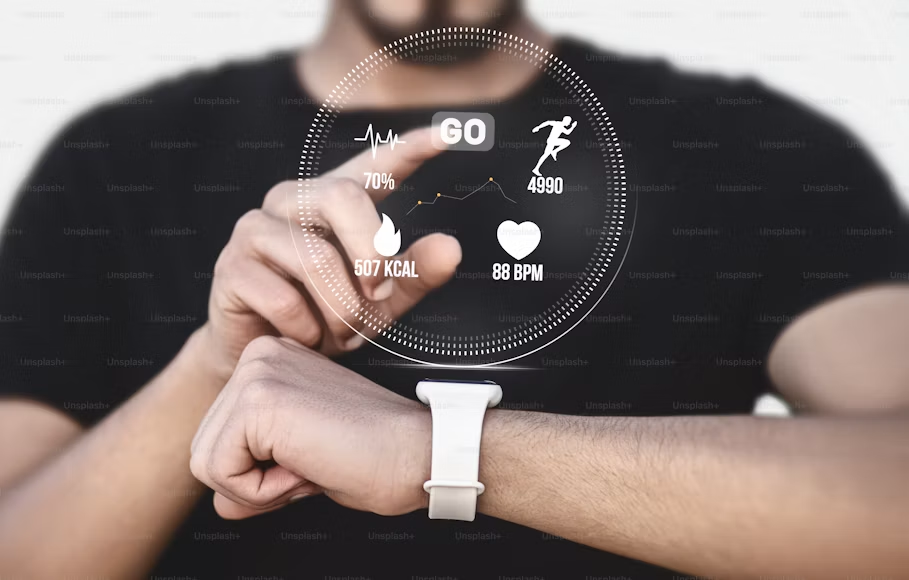
You can't ignore a meeting reminder vibrating right on your wrist. For the chronically disorganized, these constant, un-ignorable nudges act as a personal assistant, drastically reducing the number of missed appointments and late arrivals.
However, the flip side of the technological coin tells a different story. Smartwatches are designed to command our attention, and herein lies the threat to our punctuality.
Every time your wrist buzzes with a breaking news alert, a text message, or a prompt to stand up, you experience a micro-distraction. This constant connectivity fragments our focus, often causing us to lose track of time entirely.
How many times have you checked your smartwatch for the time, only to be derailed by a notification, resulting in a delayed departure? Furthermore, the sheer reliance on digital crutches can atrophy our internal sense of time, making us helpless when the battery dies.
Ultimately, smartwatches don't inherently make us more or less punctual—they simply amplify our existing habits. If used mindfully to track deadlines and travel times, they are powerful allies in the quest for timeliness.
But if we allow them to become engines of distraction, they will continue to make us late. The secret to punctuality isn't on your wrist; it's in how you choose to respond to it.