Why Some Sneaker Stains Become Permanent
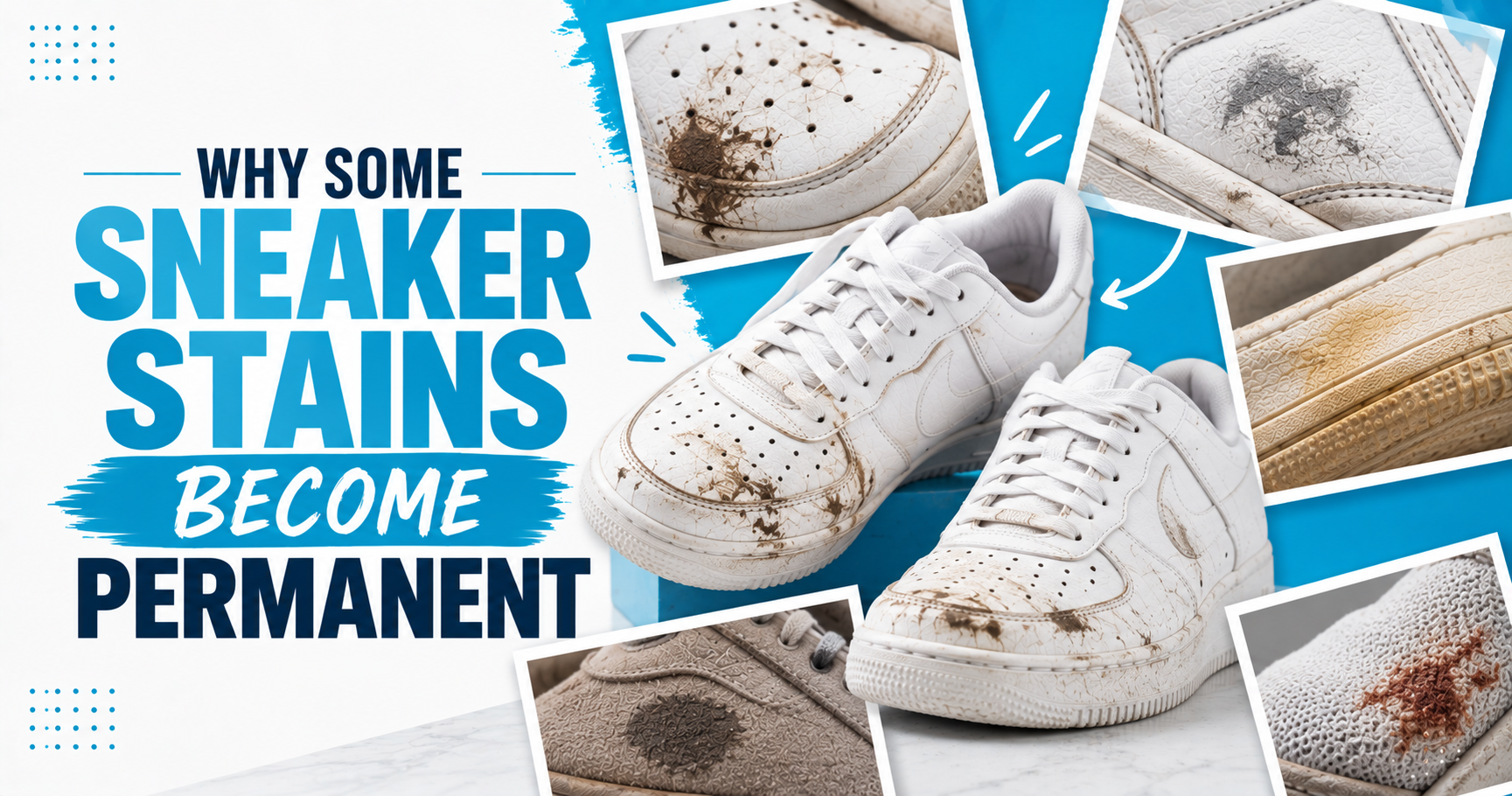
A fresh spot on a sneaker is one thing, but leave it for too long and it might turn into something much worse. A dab, splash or patch of muck can turn into stubborn streaks and spots that seem impossible to track down and treat.
Time, material type, moisture, heat and even the substance itself can play a part in why a spot becomes tricky to treat. Recognising the causes can help you know what to do when a sneaker stain becomes a problem.
Time Is One of the Biggest Influences
Fresh spots are much easier to deal with as the substance hasn't had time to settle in. As time goes on, a stain will integrate itself more into the fabric or surface it's on and become more difficult to treat.
This is especially true for substances like food, earth, oil and coloured liquids. Constant movement can also shift a mark around and work it deeper into the sneaker. The less time a stain has to set in, the easier it is to treat.
Different Materials React in Different Ways
One of the main reasons why stains can become permanent is due to the material a sneaker is made from.
Leather, suede, nubuck, mesh, canvas, smooth or rough upper all react differently to substances. A mark that wipes off one type of material may prove much more stubborn on another. This is why one sneaker cleaning product isn't appropriate for every type of upper material.
Heat Can Fix Some Stains...
...but it can also make matters worse. Hot weather, sunlight, radiators and tumble dryers can all play a part in fixing or worsening a sneaker stain.
Heat can set some substances into the material and cause discoloration as well as affecting adhesives and other sneaker components. Whenever possible, let a mark air dry naturally rather than using a hot appliance or placing it in direct sunlight.
Moisture Might Spread the Problem
Although wet spots tend to dry, moisture isn't always the answer when it comes to treating a sneaker stain. Left unchecked, water can spread the substance and cause it to pool into an even bigger mess.
This is why soaking your sneakers isn't always the best way to clean them. Excess water can also cause issues if it doesn't dry properly. A sneaker cleaning technique suited to the upper type tends to be more appropriate.
Repeated Scouring Can Damage Sneakers
If a mark proves stubborn then it's tempting to use more force to scour it out, but this may prove more damaging than anything else.
Depending on the upper type, excessive rubbing removes texture, colour or graphics. Some home products can be harmful to certain materials, and often the most obvious stain is just a side-effect of earlier treatments. Professional treatment is the best option when individual spot cleaning hasn't worked and the sneaker upper has been affected.
Some Marks Alter the Material
Sometimes a stain, discoloration or mark isn't just resting on top of the sneaker upper - it has integrated itself into the material.
This reaction is different depending on what substance is involved and the type of material it has reacted with. Substances like oil, dye and other chemicals can change the appearance of a material. Spot cleaning products usually only remove the mark without changing the condition of the upper and sometimes professional treatments are necessary to improve the appearance of altered sneakers.
When Should You Get Professional Sneaker Care?
If a mark is fresh, blot away any surface dirt and follow care instructions. Professional treatments tend to be useful when a stain is set, has affected the sneaker's material or home methods have had no effect.
Sneakky Klean offers a range of professional sneaker cleaning and restoration services including Signature Klean, Premium Klean, footwear deodorising, waterproof protection, sole whitening and sole icing treatments for delicate fabrics, difficult stains and other issues.
How to Avoid Problem Stains From Setting In
The easiest way to stop a mark becoming a problem is to treat it as soon as possible. Blot any open spill, remove any surface dirt before it gets worked into the fabric and avoid using a inappropriate products.
Leave your shoes to dry naturally in a cool, clean space and avoid putting them anywhere with excessive heat. If you're uncertain about what to do with a particular type of sneaker, ask for advice.
Some of the sneaker stains that prove most troublesome set in over time, integrate into the upper material or spread from a small spot.
Treating heat, moisture and other factors appropriately will help to avoid these issues and keep your sneakers in good condition. Whether at home or with Sneakky Klean professionals, the right kind of treatment at the right time is the best thing you can do for your shoes.
Written by:
Brainito Intelligence
www.brainito.com