The Sun Hasn't Raised Its Rates. Can Your Power Company Say the Same?
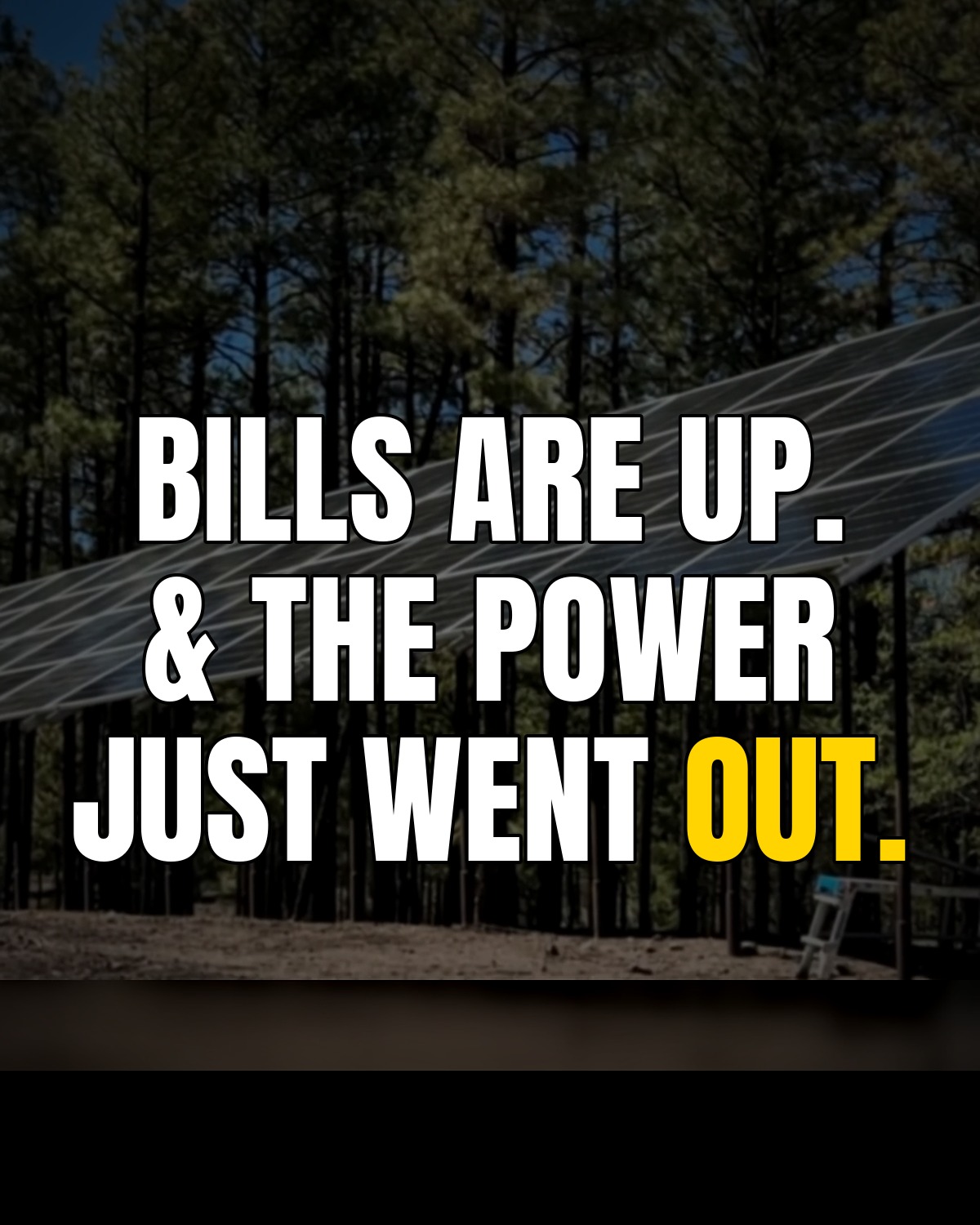
You open the electric bill, wince, set it on the counter, and promise yourself you'll deal with it later. Most of us have done that more than once. Then winter shows up, a storm knocks the lines down, and "later" turns into a cold kitchen and a flashlight hunt.
This is a story about both of those moments: the slow squeeze of rising energy prices, and the sudden one of a dark house. It's told in seven slides, using real footage from homes and cabins in Arizona's White Mountains.
The Bill That Only Goes One Direction
It sounds like a joke, but the numbers behind it aren't funny.
The Bureau of Labor Statistics says the price of electricity rose 4.4% in the 12 months ending September 2026. The broader energy index rose 20.4% over the same stretch, pushed mostly by gasoline.
The U.S. Energy Information Administration puts the average home electricity price at 16.5 cents per kWh in 2024 and 17.3 cents in 2025. It forecasts 18.2 cents for 2026 and 18.7 cents for 2027. Those are national averages, not your exact rate. But the direction is hard to miss.
Closer to home, there's an APS rate case. The Arizona Corporation Commission finished its hearing in July. A judge's recommendation is expected in late November, and the Commission has until December 31 to vote, with any new rates expected to start in early 2027. According to 12News, APS is asking for a 15% average increase for homeowners.
That's still a request, not a decision. Even so, nobody is budgeting for their bill to go down.
Up Here, the Bill Isn't the Only Problem
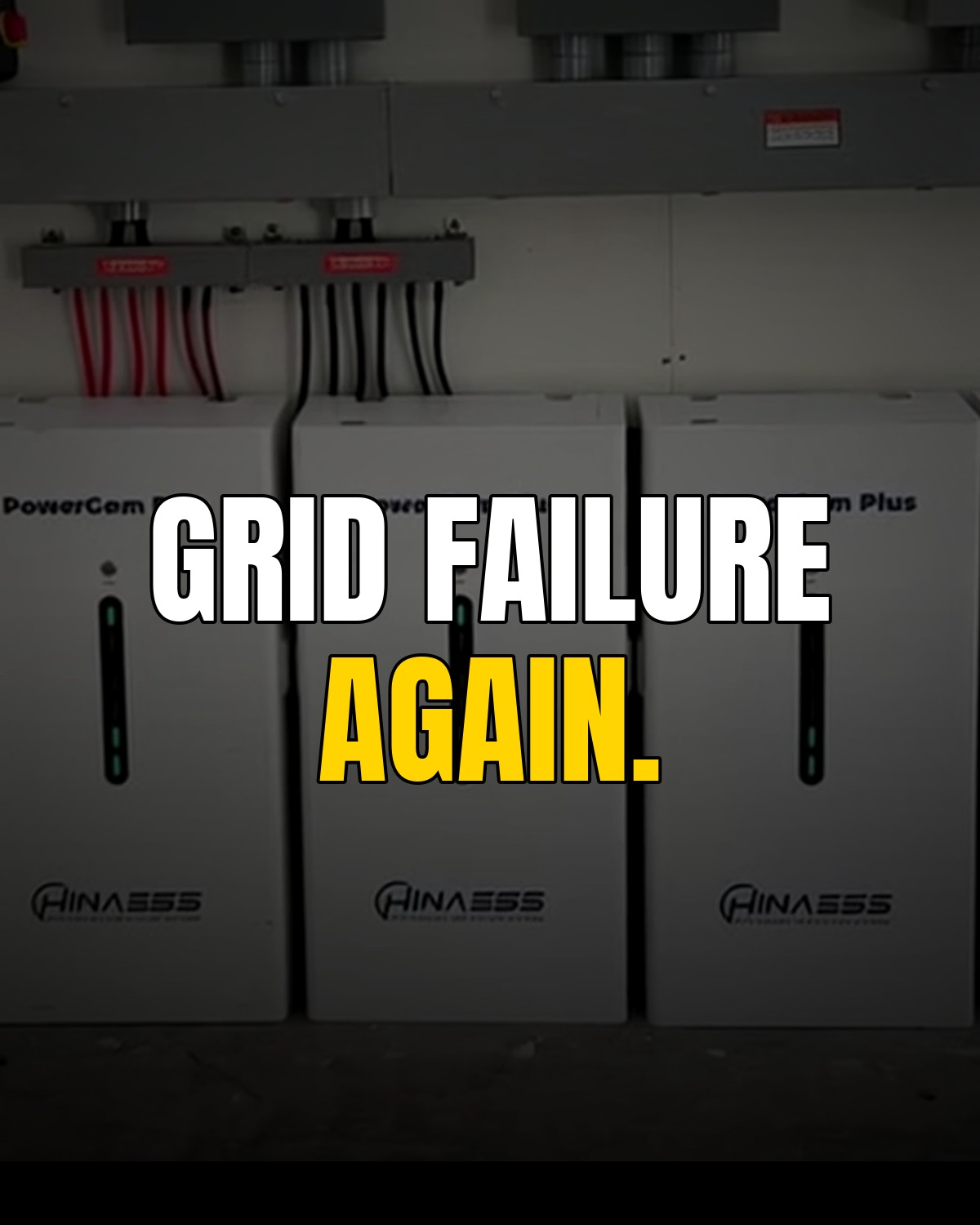
Life in the high country comes with a second worry that folks in the valley don't think about much. The grid up here is long, thin, and surrounded by trees.
If you live in Pinetop, Lakeside, Snowflake or Heber, you already know how it goes. Snow loads the branches. The branches find the power lines. And suddenly the whole road is dark.
When that happens, the well pump stops. The furnace blower stops. So does everything plugged into the wall. It's not a once-in-a-lifetime event, either. For a lot of mountain homes, it's just part of winter.
The Quietest Sound in a House
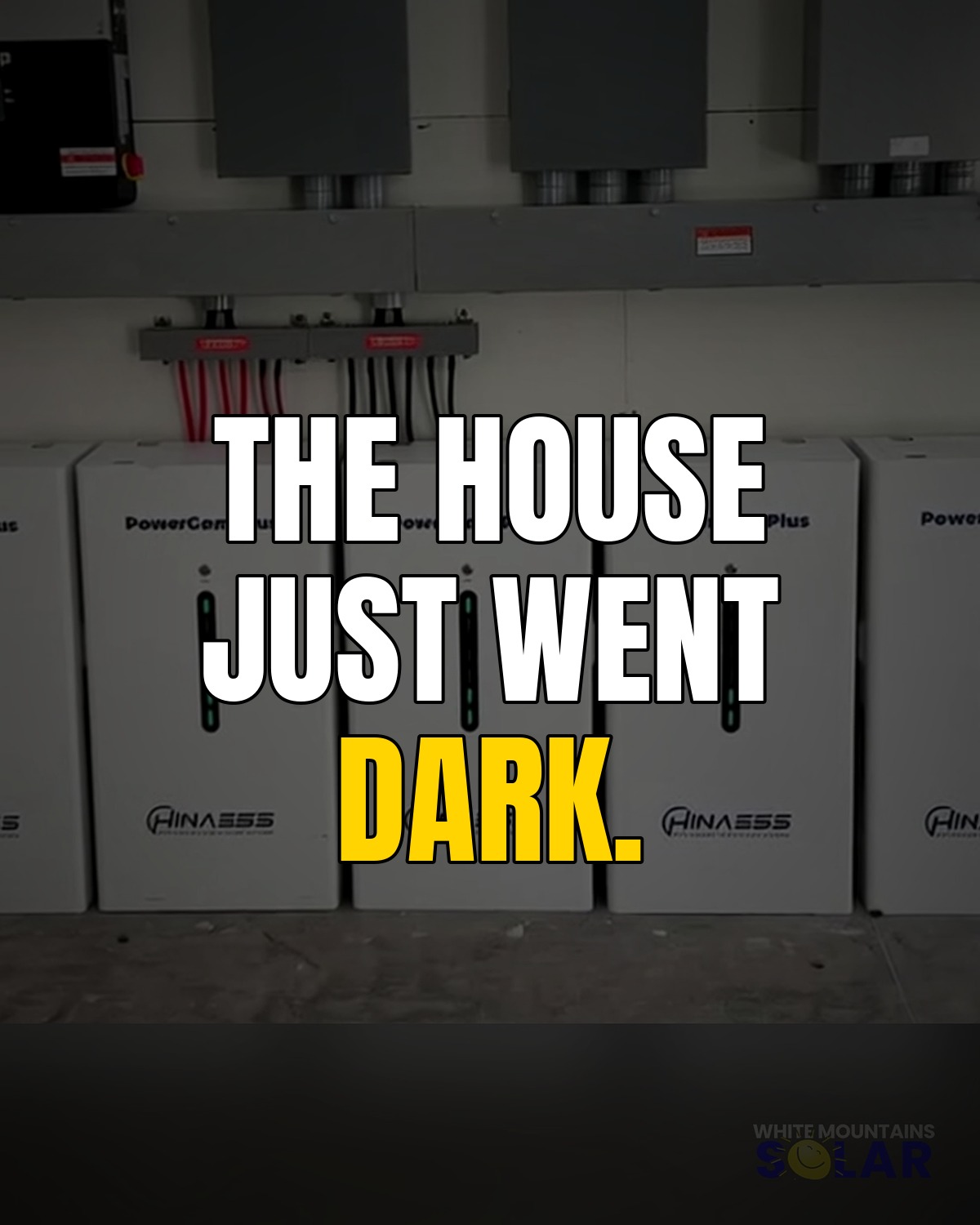
The quietest sound in a house is the fridge stopping.
You never notice the hum until it's gone. Then the house goes still, and you start doing math about the freezer. How long has it been? Is the meat still good? Should we open it, or leave it shut?
An hour without power is an inconvenience. A day without power starts to cost real money, and by day three, candlelight dinner isn't romantic anymore.
Keep Your Family Safe

This part has nothing to do with money.
Picture a kid who's scared of the dark, lying in bed when the whole house goes black. The nightlight is out. The heat is off. And you're in the hallway with your phone flashlight, trying to sound calm.
Parents don't need that one explained. Backup power isn't really about gadgets. It's about the people in the house: keeping the heat running, the water flowing, and a light on down the hall.
Don't Be Left in the Dark Again
So what actually keeps the lights on?
It starts with a battery bank and an inverter. The inverter takes power from solar panels and batteries, and turns it into the everyday household power your fridge, well pump and furnace fan run on. When the grid drops, the house keeps going. If you want to know how home storage works, here's a plain-English look at lithium solar batteries for home backup.
Then there's the bill. Utility rates are set by someone else, and right now the trend points up. The sun doesn't file rate cases. Once a system is paid for, the power it makes doesn't get more expensive when the utility's does. Every kilowatt hour you make yourself is one you're not buying at next year's price.
You don't have to do it all at once, either. Some people start with backup for the essentials, like the fridge, the well and a few circuits, and add panels later. Others want a cabin system that just works. You can browse pre-built solar kits sized from cabins to whole homes to see the range, or look through finished solar projects around the White Mountains to see what a ground mount or roof array looks like on a mountain property.
White Mountains Solar, a local shop building systems here since 2015, will put together a free proposal for your property. That way you're comparing real numbers instead of guessing.
The Bottom Line
Energy prices have climbed, the forecasts expect more, and an APS rate case is headed for a vote by the end of the year. Up in the pines, you also get outages that turn a full fridge into a countdown. Making some of your own power handles both problems at once.
So when this month's power bill showed up, did you open it right away, or did it sit on the counter for a while first?