Cuatro y veinte de la mañana y todavía no sé!!! | Four twenty in the morning and I still don't know!!!
Hay una duda que me viene siguiendo desde hace como tres semanas y no la puedo cerrar. Tiene que ver con pedirle cosas a Dios cuando ya sabés, más o menos, cómo puede terminar la cosa. O sea: ¿está bien insistir con algo que quizás ya tiene respuesta y no es la que quiero? Te soy sincero, pensé que tenía esto resuelto hace años y resulta que no.
Antes yo tenía una postura bastante cómoda. Rezaba una vez, dos veces, y si no pasaba nada entendía que era un "no" de Dios y seguía con mi vida. Me parecía maduro. Me parecía hasta elegante, che. Como que confiaba y soltaba. Y lo predicaba con total seguridad, sin temblarme la voz.
Después leí la parábola del juez injusto, esa que está en Lucas 18, y me quedé mirando la pared un buen rato.
"También les contó una parábola para mostrarles que debían orar siempre y no desanimarse." (Lucas 18:1, NVI)
La viuda vuelve, vuelve, vuelve. No se cansa. Y Jesús no la pone como ejemplo de algo malo, la pone como ejemplo de algo que hay que imitar. Eso me descolocó bastante, honestamente.
Porque mi lógica de "rezá una vez y soltá" suena más a resignación disfrazada de fe que a confianza de verdad. O mejor dicho, no tanto. Capaz que a veces sí es confianza. Pero otras veces es simplemente que no quiero quedar mal, no quiero insistir, no quiero que me digan que soy pesado.
Mirá, el detalle concreto es este: hace tres semanas empecé a orar por una situación que involucra a mi sobrino, que tiene 14 años y está pasando por algo en el colegio que no me corresponde contar acá. Y cada vez que oro siento que digo lo mismo. Las mismas palabras, casi en el mismo orden. Y me da una vergüenza rara, como si Dios se fuera a aburrir de mí.
Eso es todo. Vergüenza. Eso es lo que me frena.
Y ahí está mi duda sin resolver: si la parábola dice que insista, pero mi cabeza dice que insistir es falta de fe, ¿a quién le hago caso? Porque las dos cosas las aprendí en la iglesia, no me las inventé en casa. Una parte de mí escuchó mil veces que hay que perseverar en la oración, y otra parte escuchó que hay que descansar en la voluntad de Dios y no angustiarse. Y las dos suenan bíblicas. Y las dos me dejan tranquilo según el día.
Lo que me falta saber, y esto lo digo en serio, es dónde está la línea. Cuándo insistir se vuelve terquedad y cuándo soltar se vuelve abandono. No tengo la respuesta. No la encontré en ningún devocional ni en ninguna prédica que escuché este mes.
Ayer a la noche, igual, hice algo distinto. En vez de repetir la misma oración de siempre, me quedé callado un rato largo y después escribí en un cuaderno lo que quería pedir, con mis palabras, mal escritas, con tachones. No sentí nada especial. No hubo luz ni emoción ni nada parecido. Pero al terminar me di cuenta de que llevaba veinte minutos ahí, y eso hacía meses que no me pasaba.
Puede que esté equivocado y que todo esto sea una forma rebuscada de no aceptar un "no". No lo descarto. Lo dejo anotado, sin cerrar, porque prefiero quedarme con la duda viva antes que con una respuesta prestada que no me convence del todo.
Dios te bendiga hoy y siempre!!!
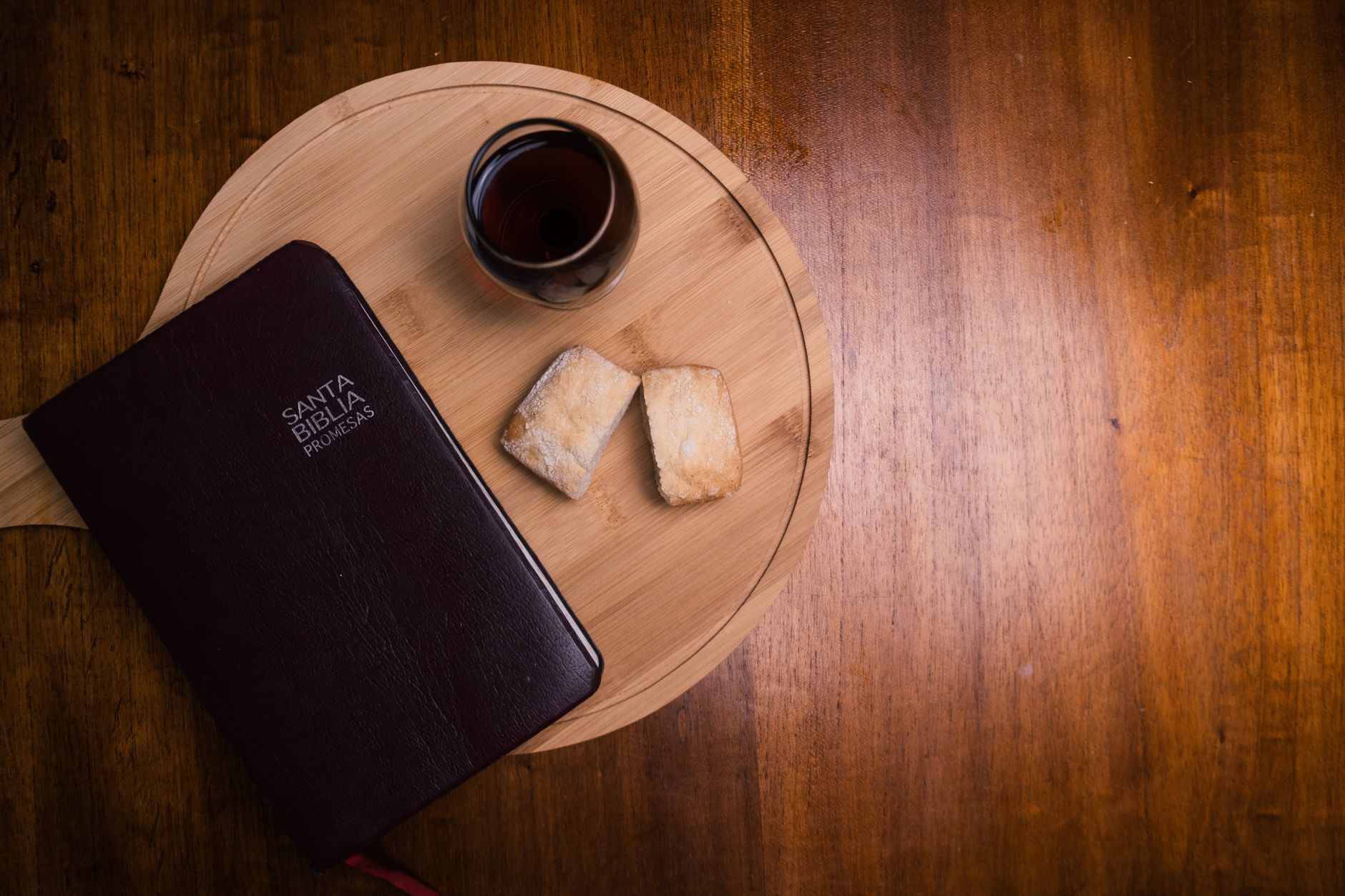
Foto: Amy Farías / Pexels (CC0)
There's a question that's been following me around for about three weeks now and I can't quite close it. It has to do with asking God for things when you already know, more or less, how it might end. I mean: is it okay to keep pushing on something that maybe already has an answer and it's not the one I want? Honestly, I thought I had this settled years ago and turns out I don't.
Before, I had a pretty comfortable position. I prayed once, twice, and if nothing happened I took it as a "no" from God and moved on with my life. It felt mature. It even felt elegant, you know. Like I was trusting and letting go. And I preached it with total confidence, without my voice shaking.
Then I read the parable of the unjust judge, the one in Luke 18, and I sat staring at the wall for a good while.
"Then Jesus told his disciples a parable to show them that they should always pray and not give up." (Luke 18:1, NIV)
The widow comes back, and back, and back. She doesn't wear out. And Jesus doesn't use her as an example of something wrong, he uses her as an example of something to imitate. That threw me off quite a bit, honestly.
Because my logic of "pray once and let go" sounds more like resignation dressed up as faith than actual trust. Or better said, not quite. Maybe sometimes it is trust. But other times it's just that I don't want to look bad, I don't want to insist, I don't want to be told I'm being annoying.
Look, the concrete detail is this: three weeks ago I started praying about a situation involving my nephew, who's 14 and going through something at school that isn't mine to share here. And every time I pray I feel like I'm saying the same thing. The same words, almost in the same order. And it gives me this weird embarrassment, like God is going to get bored of me.
That's it. Embarrassment. That's what's holding me back.
And there's my unresolved doubt: if the parable says to insist, but my head says insisting is a lack of faith, who do I listen to? Because I learned both things in church, I didn't make them up at home. One part of me heard a thousand times that you have to persevere in prayer, and another part heard that you have to rest in God's will and not get anxious. And both sound biblical. And both leave me at peace depending on the day.
What I'm missing, and I mean this seriously, is where the line is. When does insisting become stubbornness and when does letting go become abandonment. I don't have the answer. I didn't find it in any devotional or any sermon I heard this month.
Last night, though, I did something different. Instead of repeating the same prayer as always, I stayed quiet for a long while and then wrote down in a notebook what I wanted to ask, in my own words, badly written, with scratch marks. I didn't feel anything special. There was no light or emotion or anything like that. But when I finished I realized I'd been there twenty minutes, and that hadn't happened in months.
Maybe I'm wrong and all of this is a convoluted way of not accepting a "no". I don't rule it out. I'm leaving it written down, unclosed, because I'd rather keep the doubt alive than settle for a borrowed answer that doesn't fully convince me.