The Leopard Is Pulling a Fast One on Us: The Story of Malagò and the FIGC Takeover
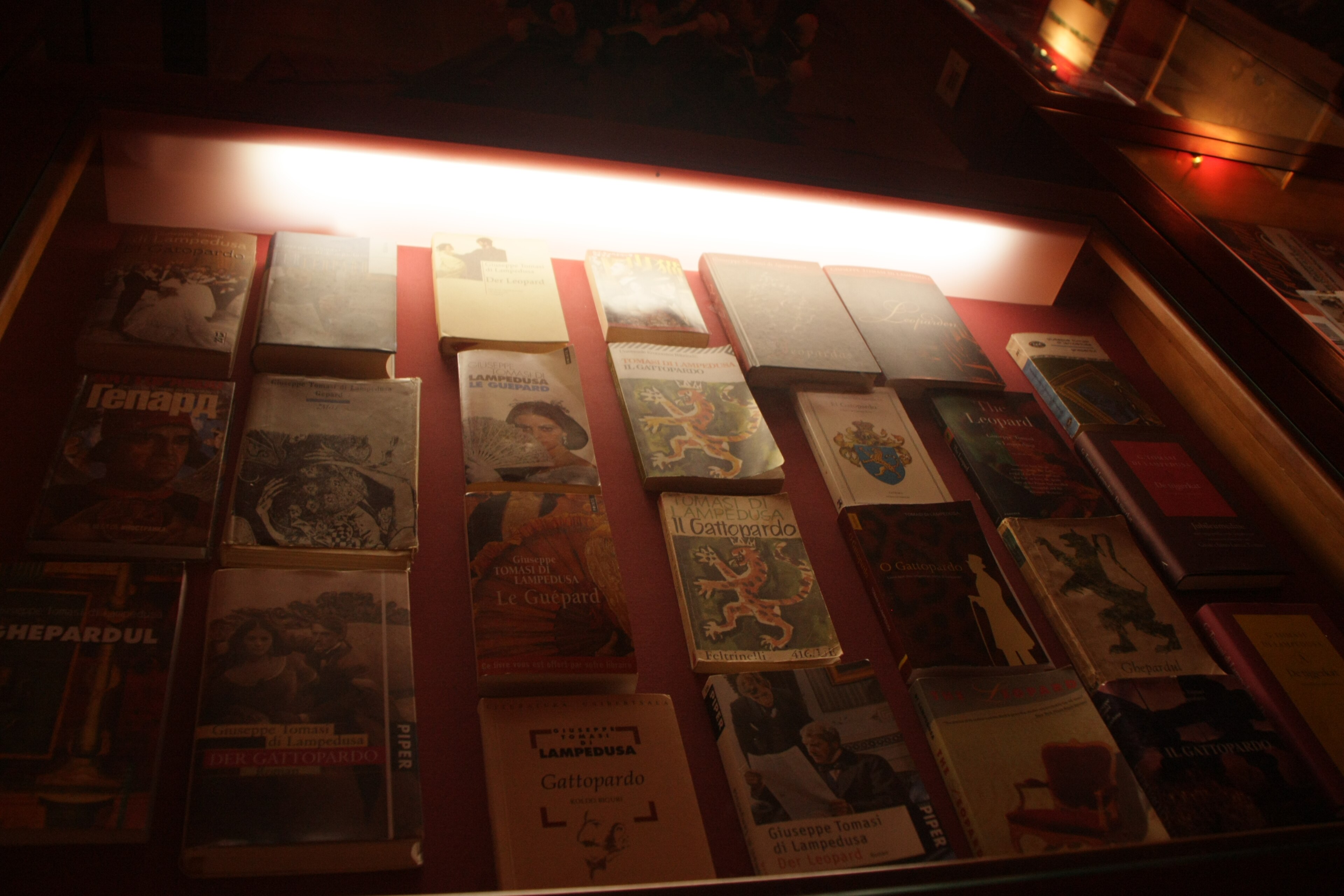
Various editions of Il Gattopardo (The Leopard). Davide Mauro, CC BY-SA 4.0, via Wikimedia Commons
This is the English version of the post Il Gattopardo ce fa 'na p...a: la storia di Malagò e del commissariamento della FIGC, originally published in Italian in the ITALY community.
The term "Gattopardesque" has long since become part of the Italian language. Derived from the celebrated novel The Leopard by Giuseppe Tomasi di Lampedusa, it symbolizes the remarkable ability of ruling elites to adapt to change without allowing that change to threaten their privileged position.
"If we want everything to stay as it is, everything must change" is perhaps one of the most famous lines in all of twentieth-century Italian literature. The young Prince Tancredi Falconeri utters these words when he realizes that, in order to survive, the aristocracy must not resist change but rather embrace it and, if possible, even lead it, so that in the end the balance of power remains exactly the same.
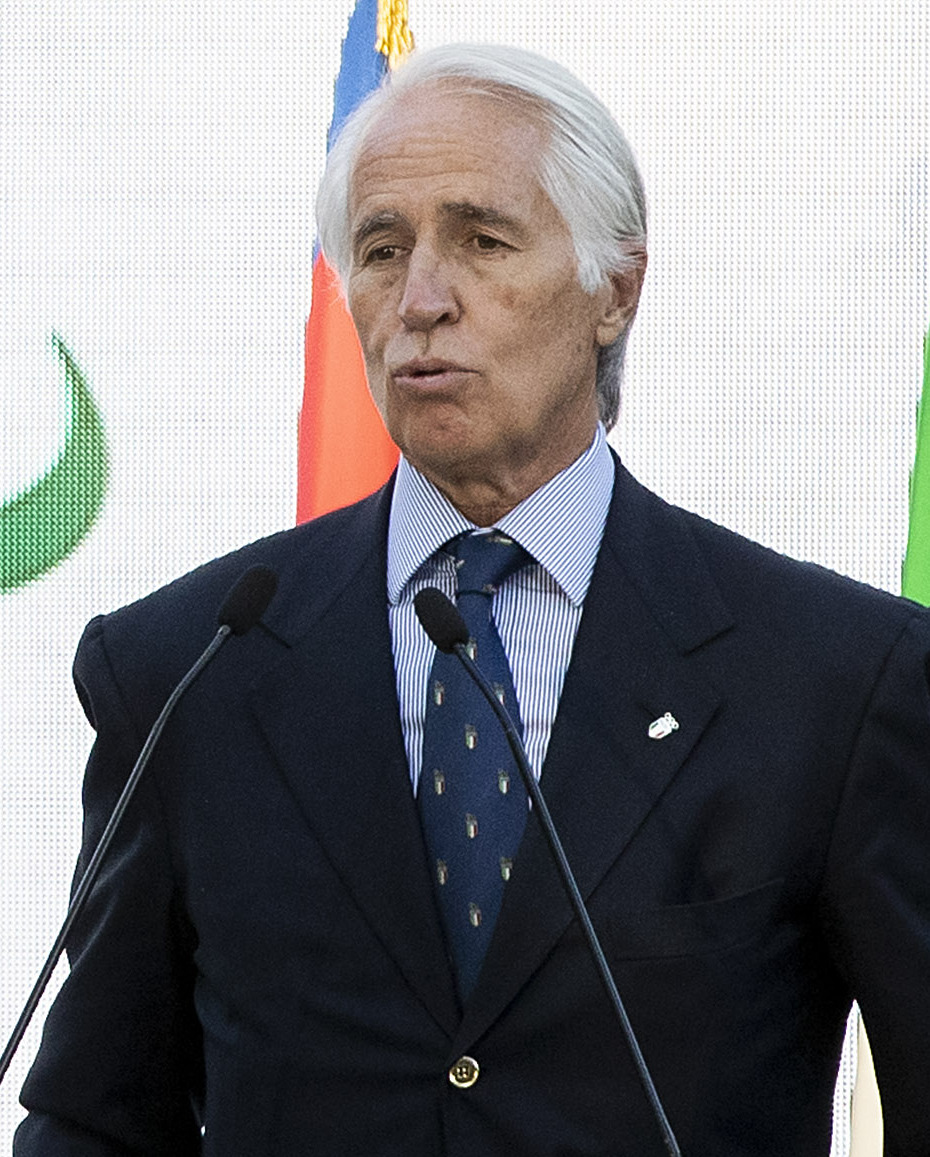
Giovanni Malagò, Quirinale.it, Attribution, via Wikimedia Commons
Roughly seventy years have passed since the novel was first published, yet never more than today, within the world of Italian football, have Gattopardesque dynamics seemed so strikingly relevant. Sometimes reality surpasses fiction and, believe me, if this isn't one of those cases, I don't know what is.
The president of the FIGC, Giovanni Malagò, succeeded the resigning Gabriele Gravina last June, defeating rival candidate Renato Miele. After conducting his own inquiries, Miele discovered that Malagò had never actually been registered with the FIGC, thereby lacking one of the fundamental requirements needed to run for the presidency.
Article 29 of the Federation's statutes, together with the CONI Fundamental Principles, states that anyone seeking federal office must be "in good standing with their registration" at the time their candidacy is submitted. The most absurd aspect of the affair, however, is that nobody within the FIGC appears to have bothered checking whether the candidates actually met the necessary requirements. In short, even the top scorer from a local parish tournament could probably have submitted a candidacy and been accepted without question.
Faced with a situation so chaotic that it is leaking from every possible angle, the only viable solution would seem to be the appointment of a commissioner, that is, placing the Federation under the control of an external figure, something akin to a court-appointed administrator, tasked with correcting the irregularities and restoring normal operations within a defined period of time before new elections can be held.
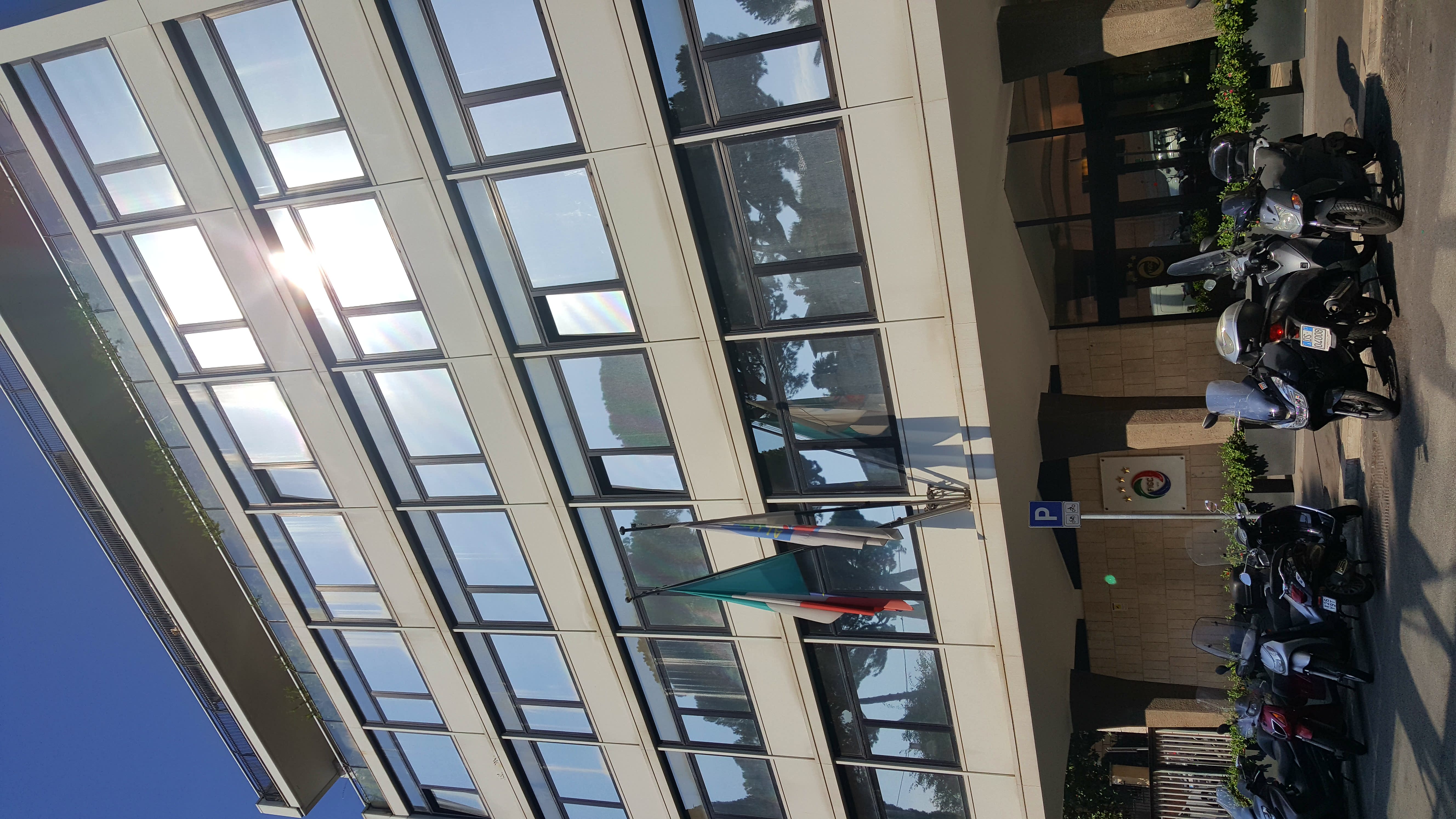
The FIGC headquarters, Carlo Dani, CC BY-SA 4.0, via Wikimedia Commons
In a normal country, the matter would have followed a straightforward and predictable procedure, probably without generating much noise at all. But in the fantastic world of Italian football, a system that seems to exist for the sole purpose of protecting its true masters from any consequences and ensuring their survival at all costs (namely Inter and their loyal supporters), such an inconvenience simply cannot be allowed.
An independent commissioner, one capable of breaking up the existing networks of influence and power within the FIGC, might, for example, have decided to replace figures such as Viglione and Butti, both well-known Inter supporters who were allegedly caught pressuring the former head of refereeing appointments to select referees deemed "acceptable" for their favorite club.
Such a commissioner might also have wanted to investigate more thoroughly the actual eligibility for league registration of clubs that have been surviving for years in increasingly grotesque circumstances despite having negative net assets worth several hundred million euros, such as Roma and, once again, Inter. In other words, they might have taken the role seriously and chosen to reset the system in an attempt to free Italian football from the interests that have dragged it into decline.
Nothing could be better for everyone involved, except, of course, for the very people at the heart of this story. As far as they are concerned, three consecutive missed World Cups, the declining competitiveness of Italian clubs in Europe, and the dramatic loss of the league's appeal matter very little, provided they can continue to enjoy the protection and privileges guaranteed by the current system.
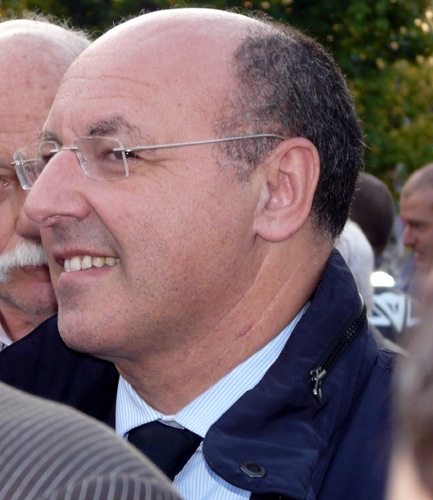
Inter’s chairman, Beppe Marotta. photo coundown, CC BY 2.5, via Wikimedia Commons
The usual paid defenders promptly sprang into action across the newspapers, with the pink rag of the bovine leading the charge like the finest of cheerleaders. The message delivered to the various hired pens serving their masters was clear: this commissionership must not happen.
Every possible specter was invoked, including the risk of losing the right to host Euro 2032 or the alleged conflict of interest involving CONI president Buonfiglio, whose organization is responsible for deciding on the appointment of a commissioner. His supposed sin? Having a son on the board of the Kings League.
That's right. In Italy, in the year 2026, according to the bovine-pink daily, the real conflict of interest is not Butti, a devoted Inter supporter, a former Inter employee for thirteen years, and the man responsible for scheduling fixtures, with Inter somehow always ending up enjoying more rest than anyone else after European matches. No, the real problem is someone whose son happens to sit on the board of an independent competition such as the Kings League.
This time, however, the problem was not an easy one for the masters of Italian football to solve. Leaving everything exactly as it was and simply waiving clear rules turned out to be impossible.
And then came the stroke of genius: appointing Malagò himself as commissioner.
Yes, you read that correctly. Let me make sure there is no room for misunderstanding: Malagò, the man who was allegedly ineligible to stand for election and nevertheless became president through what many consider a procedural sleight of hand, has now been appointed commissioner of the very FIGC that was being chaired by Malagò despite lacking the required qualifications.
And because things can always get worse, the commissioner is tasked with guiding the Federation toward the next election, in which the only candidate is expected to be, once again, Malagò.
It is a bit like discovering that a surgeon has been operating for years without ever earning a medical degree and, instead of being shown the door, appointing him hospital director.
Tell me this is not wonderfully, unmistakably Italian. Tell me this is not a perfect reflection of the times in which this joke of a football system now lives, increasingly dominated by vested interests, backroom dealings, and the very forces that have helped drag it into decline.
I'm part of ITALYGAME Team
together with:
@girolamomarotta, @sardrt, @mikitaly, @mad-runner, @famigliacurione
 👉 VOTA PER NOI COME WITNESS👈
.jpg)
Upvoted! Thank you for supporting witness @jswit.
Pará, el detalle de que Malagò ni siquiera estaba inscripto en la FIGC y por eso no cumplía el requisito para ser presidente es de la puta madre, ¿cómo nadie lo chequeó antes de la elección? Lo del Gattopardo aplicado al fútbol italiano te juro que es perfecto, encima con Tancredi y todo.