The Man Who Made Experimentation a Path to Discovering Truth
From childhood, he was not only fascinated by medicine but also possessed a broad curiosity about many fields of knowledge. He studied logic, mathematics, and the natural sciences before turning to medicine at an early age. He did not simply memorize what earlier physicians had written; he learned through reading, observation, and practice. By the age of eighteen, he had reached an exceptionally advanced level in medicine and the sciences.
Then came the moment that changed his path. He was summoned to treat a ruler whom other physicians had been unable to cure, and he succeeded in helping him recover. Afterward, he was granted access to the royal library, where he found rare books and works on medicine and the sciences. He took full advantage of this opportunity, reading, researching, and writing extensively.
But his genius went far beyond treating patients. He sought to organize the medical knowledge inherited from earlier scholars while adding his own observations and clinical experience. In his most famous medical work, he compiled extensive knowledge about the diagnosis and treatment of diseases, medicines, nutrition, prevention, and surgery.
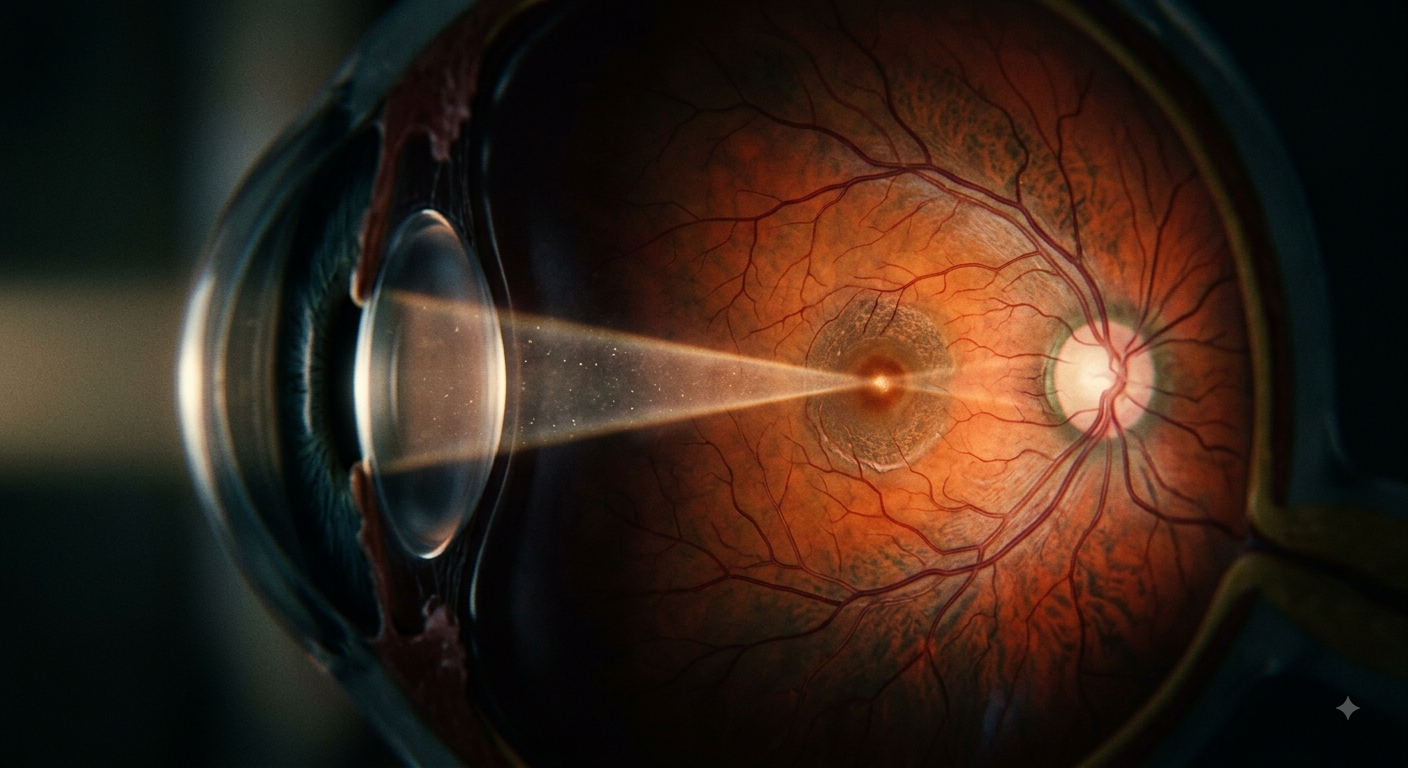
He described numerous illnesses, including tuberculosis, which he associated with contagiousness. He also discussed diseases of the eyes, forms of paralysis, diabetes, fevers, poisoning, and many other conditions. He paid attention to the anatomy of the eye and certain functions of the human body, and he recorded observations concerning the effects of medicines.
His contribution to pharmacology was particularly remarkable. He documented around 800 individual medicinal substances, most derived from plants, along with substances of animal and mineral origin. He also described around 650 compound preparations. Rather than merely listing medicines, he discussed their properties, uses, and effects, and emphasized the importance of testing medicines and observing their results.
What made him exceptional was that he was not simply collecting information. He sought to organize it into a coherent system that combined the knowledge of earlier physicians with observation, experience, and his own medical insights.
His medical work eventually became highly influential in the Islamic world and was later translated into Latin and studied in Europe for centuries.
His transformation from a brilliant child into a medical genius was therefore not the result of intelligence alone. It came from years of early learning, clinical practice, careful observation of patients, study of medicines, organization of medical knowledge, and the continuous pursuit of understanding.
And perhaps that is the most remarkable lesson from his story: genius is not simply being intelligent from childhood; true genius emerges when intelligence is transformed into knowledge, practice, and lasting benefit for others.
Did you figure out who this person was?