The Biggest Risks of Live Streaming Apps for Teenagers
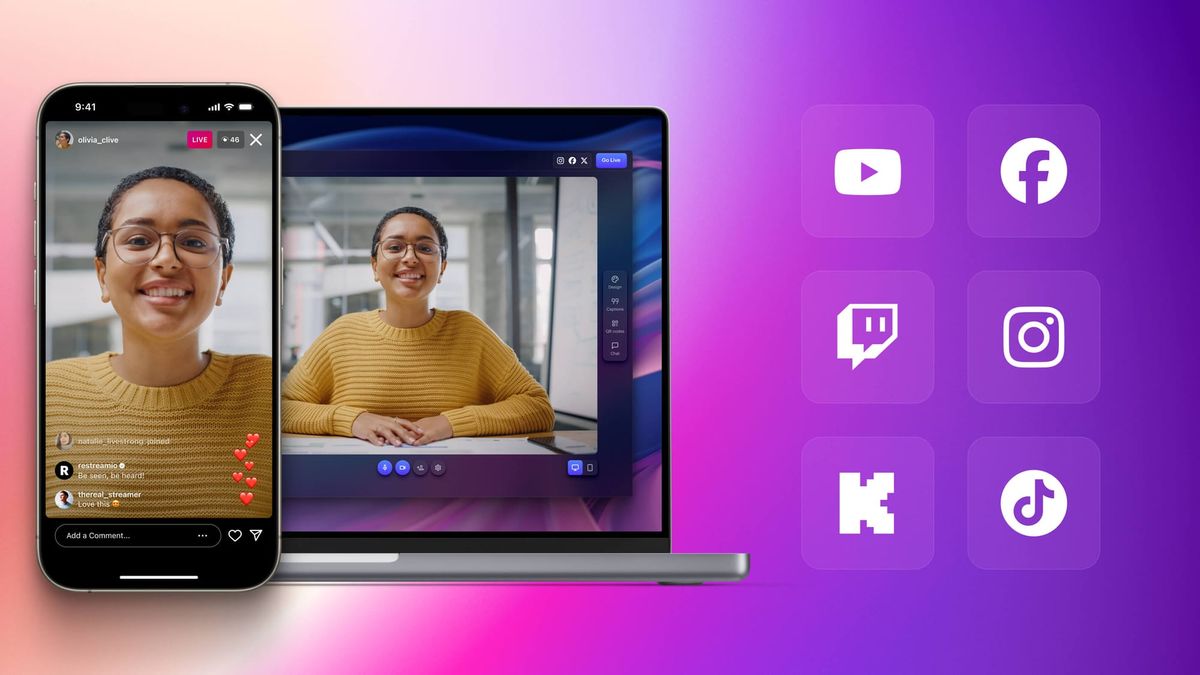
Live streaming has become a major part of how teenagers communicate, entertain themselves, and share their interests online. Platforms that let users broadcast video in real time can make social media feel more interactive than traditional posts, giving teens opportunities to connect with friends, build communities, showcase talents, and follow creators.
However, the real-time nature of live streaming creates challenges for parents.. Unlike a recorded video that can be reviewed before publication, a livestream happens immediately. Teenagers may encounter inappropriate content, communicate with strangers, reveal personal information, or make impulsive decisions before they understand the consequences.
This does not mean every live streaming app is unsafe. Rather, parents need to understand the specific risks and help teenagers develop safer online habits.
Why Are Live Streaming Apps Different?
Live streaming combines several features that can increase online risks: video, instant communication, public audiences, comments, direct messages, and sometimes virtual gifts or other forms of interaction.
A teenager may start a livestream intending to talk with friends and unexpectedly attract viewers they do not know. Someone in the audience may ask personal questions, encourage risky behavior, or attempt to move the conversation into a private chat.
The pressure of having an audience can also influence teenagers to act differently from how they would offline. They may feel encouraged to share more, stay online longer, or do something simply because viewers are watching.
1. Exposure to Inappropriate Content
One of the biggest concerns with live streaming is that parents cannot always predict what their teenager will encounter.
A livestream may contain profanity, sexual content, violence, dangerous challenges, substance-related behavior, or other material that is unsuitable for younger audiences. Even when platforms have moderation systems, inappropriate content can sometimes appear before it is detected or removed.
The problem becomes more complicated when livestreams are recommended through algorithms. A teenager who watches one type of content may subsequently receive recommendations for similar streams, potentially creating a cycle of increasingly mature or unsuitable material.
Parents can reduce this risk by reviewing age requirements, content controls, privacy settings, and reporting tools on the specific platform their teenager uses.
2. Contact With Strangers
Live streaming can make interaction with unknown people feel surprisingly personal.
A teenager might see the same usernames repeatedly in a livestream and begin to feel that they know those viewers. However, an online identity does not necessarily reveal who is behind the account.
Strangers may participate in comments, send direct messages, offer compliments, or attempt to establish a friendship. In some cases, a person may gradually ask increasingly personal questions.
Parents should teach teenagers that familiarity online does not automatically equal trust. They should be cautious about accepting requests from people they do not know in real life and avoid sharing personal details with unknown viewers.
3. Oversharing Personal Information
Teenagers may unintentionally reveal information during a livestream that they would never deliberately post as a status update.
A camera can show much more than the person speaking. Viewers might see:
- The teenager's school uniform
- Street signs or recognizable locations
- House numbers
- Family photographs
- School documents
- Names on packages
- Nearby landmarks
- Daily routines
Even casual comments can reveal useful information. Saying that they walk home from school at a particular time, for example, may provide strangers with details about their routine.
Parents should encourage teenagers to check their surroundings before starting a livestream and think carefully about what information can be inferred from what appears on camera.
4. Cyberbullying and Harassment
Live comments can create an environment where bullying happens in front of an audience.
A teenager may receive insulting comments about their appearance, voice, clothing, personality, or background. Because livestreaming is immediate, negative comments can arrive rapidly and become overwhelming.
Some viewers may deliberately provoke the streamer because they know a reaction will attract more attention.
Cyberbullying can also continue after a livestream ends through screenshots, recordings, memes, or reposted clips. A teenager who believes they have deleted an embarrassing moment may discover that another viewer captured it.
Parents should make sure teenagers know how to block and report abusive accounts and understand that they do not have to respond to people who are deliberately trying to upset them.
5. Pressure to Perform for an Audience
Having an audience can create pressure to keep viewers entertained.
Teenagers may feel that ordinary conversations are not interesting enough and start taking greater risks to gain attention. This can include dangerous challenges, embarrassing behavior, revealing personal information, or participating in inappropriate trends.
The desire for likes, comments, followers, or virtual gifts can reinforce this behavior.
Parents can help by discussing the difference between healthy creativity and behavior performed mainly for online approval.
6. Sexual Exploitation and Grooming Risks
Live streaming can provide opportunities for adults or other users to establish contact with teenagers.
Grooming does not necessarily begin with an obviously inappropriate message. It can start with ordinary conversation, compliments, shared interests, or repeated interactions. Over time, someone may attempt to gain trust and encourage a teenager to keep conversations private.
They may eventually request personal photographs, private video calls, or other forms of communication.
Teenagers should know that they can immediately tell a trusted adult if someone makes them uncomfortable, asks them to keep an online relationship secret, requests intimate material, or pressures them to move a conversation somewhere private.
7. Recording and Redistribution
One of the most important lessons about livestreaming is that live does not mean temporary.
Viewers can potentially record a livestream using another device or built-in recording features. A teenager may delete their original broadcast, but copies may already exist.
An embarrassing joke, emotional conversation, private moment, or inappropriate action could later be shared outside the original audience.
Before going live, teenagers should ask themselves whether they would be comfortable with the content being saved and seen by classmates, teachers, family members, or future employers.
8. Location Exposure
Location privacy deserves particular attention.
Backgrounds, landmarks, reflections, conversations, and even geolocation-related information can sometimes help viewers determine where a teenager is.
Repeated livestreams can reveal patterns. For example, someone might notice that a teenager regularly broadcasts from the same park, café, school area, or route home.
Parents should encourage teenagers to avoid broadcasting from highly identifiable locations and to review location-sharing settings within the app and device.
9. Impulsive Decisions
Teenagers are still developing decision-making and risk-assessment skills. The presence of an audience can make impulsive choices more likely.
A viewer might challenge a teenager to do something embarrassing or dangerous. Other viewers may encourage the behavior, creating a feeling that everyone expects them to participate.
Once the broadcast begins, a teenager may also feel reluctant to stop because they do not want to disappoint viewers.
A simple family rule can help: If something feels uncomfortable, unsafe, or difficult to explain afterward, end the livestream.
10. Mental Health and Social Pressure
Social media engagement can sometimes affect how teenagers view themselves.
A livestream with few viewers may make a teenager feel ignored. Negative comments can affect confidence, while a sudden increase in attention can create pressure to maintain the same level of engagement.
Some teenagers may begin checking viewer counts, comments, likes, or follower numbers repeatedly.
Parents can encourage healthier habits by focusing conversations on how social media makes the teenager feel rather than simply asking how many followers they have.
11. Scams and Manipulation
Live streaming platforms can also expose teenagers to scams and deceptive interactions.
Someone may promise gifts, money, followers, exclusive opportunities, or access to a popular creator in exchange for personal information or payment.
Teenagers may also encounter fake accounts impersonating creators or other users.
Parents should teach teenagers not to share passwords, financial information, verification codes, or other sensitive details with people they meet through livestreaming platforms.
12. Excessive Screen Time
Live streaming can be particularly difficult to put down because something new is always happening.
A teenager may stay online longer because a favorite creator is broadcasting, friends are watching, or viewers are interacting with their own stream.
Over time, excessive use can interfere with sleep, schoolwork, physical activity, family time, and offline friendships.
Rather than focusing exclusively on restricting access, parents can establish reasonable screen-time expectations and encourage teenagers to maintain offline activities.
13. Weak Privacy Settings
Many risks become greater when an account is configured for maximum public visibility.
Depending on the platform, users may have options controlling who can:
- Watch livestreams
- Comment
- Send messages
- Follow the account
- Mention the teenager
- Share content
- See location information
Parents and teenagers should review these settings together. Privacy controls can change as platforms update their features, so checking them periodically is useful.
How Parents Can Help Teenagers Stay Safer
Parents do not need to understand every trend or livestreaming platform to have meaningful conversations about online safety.
Start by asking teenagers what they use and why they enjoy it. Understanding the appeal of livestreaming makes it easier to discuss risks without turning the conversation into a lecture.
Parents can also:
- Review privacy settings. Check who can watch, comment, message, and interact with the account.
- Discuss strangers online. Explain that usernames and profile pictures do not prove someone's identity.
- Set boundaries around personal information. School names, addresses, routines, phone numbers, passwords, and private family information should not be shared publicly.
- Teach reporting and blocking. Teenagers should know how to leave a livestream, block an account, report inappropriate behavior, and preserve evidence when necessary.
- Talk about recording. Remind teenagers that anything shown on a livestream may potentially be captured and redistributed.
- Create an open communication environment. Teenagers should feel comfortable telling parents about uncomfortable interactions without immediately fearing punishment.
Can Parental Control Apps Help?
Parental control and family-safety tools can provide another layer of visibility alongside communication and privacy education. Depending on the product and device, these tools may help parents understand app usage, manage screen time, review online activity, set restrictions, or receive safety-related alerts.
For example, TheOneSpy provides monitoring and parental-control features designed to give parents greater visibility into device activity, while FonSee focuses on parental control and device monitoring features such as app management, location information, and activity visibility. Other established parental-control services, including Bark and Qustodio, provide their own approaches to monitoring, filtering, screen-time management, and online safety.
Parents should choose tools that match the child's age, device, and family circumstances and use them transparently and in accordance with applicable laws and platform rules.
Final Thoughts
Live streaming can be a positive part of a teenager's digital life. It can help young people express themselves, discover communities, develop creative skills, and communicate with others.
The main concern is not simply that teenagers use livestreaming apps. The greater issue is how they use them, who they interact with, what they share, and whether they understand the consequences of broadcasting in real time.
By discussing privacy, strangers, cyberbullying, inappropriate content, recording, location exposure, and online pressure, parents can help teenagers make safer decisions.
The goal should not be to eliminate every online risk. It is to help teenagers develop the awareness and confidence they need to recognize risky situations, protect their privacy, and know when to step away.