Tim Cook Is Out. John Ternus Is In — Can Apple Finally Catch Up in the AI Race?
For 15 years, Tim Cook was the person behind Apple. Today, that era officially ends. But the real question is not simply who replaced him — it is whether Apple can maintain its leadership as technology moves into a new and much faster era.
On September 1, 2026, Apple entered a new chapter.
After 15 years as CEO, Tim Cook stepped down from the position and became Apple's Executive Chairman. His replacement is John Ternus, Apple's former senior vice president of Hardware Engineering. Apple had announced the transition in April as part of its long-term succession plan.
This is not just another executive change.
It is the first time Apple has changed its CEO since 2011.
And the timing could not be more interesting.
Apple is entering this new chapter while the technology industry is rapidly moving toward artificial intelligence.
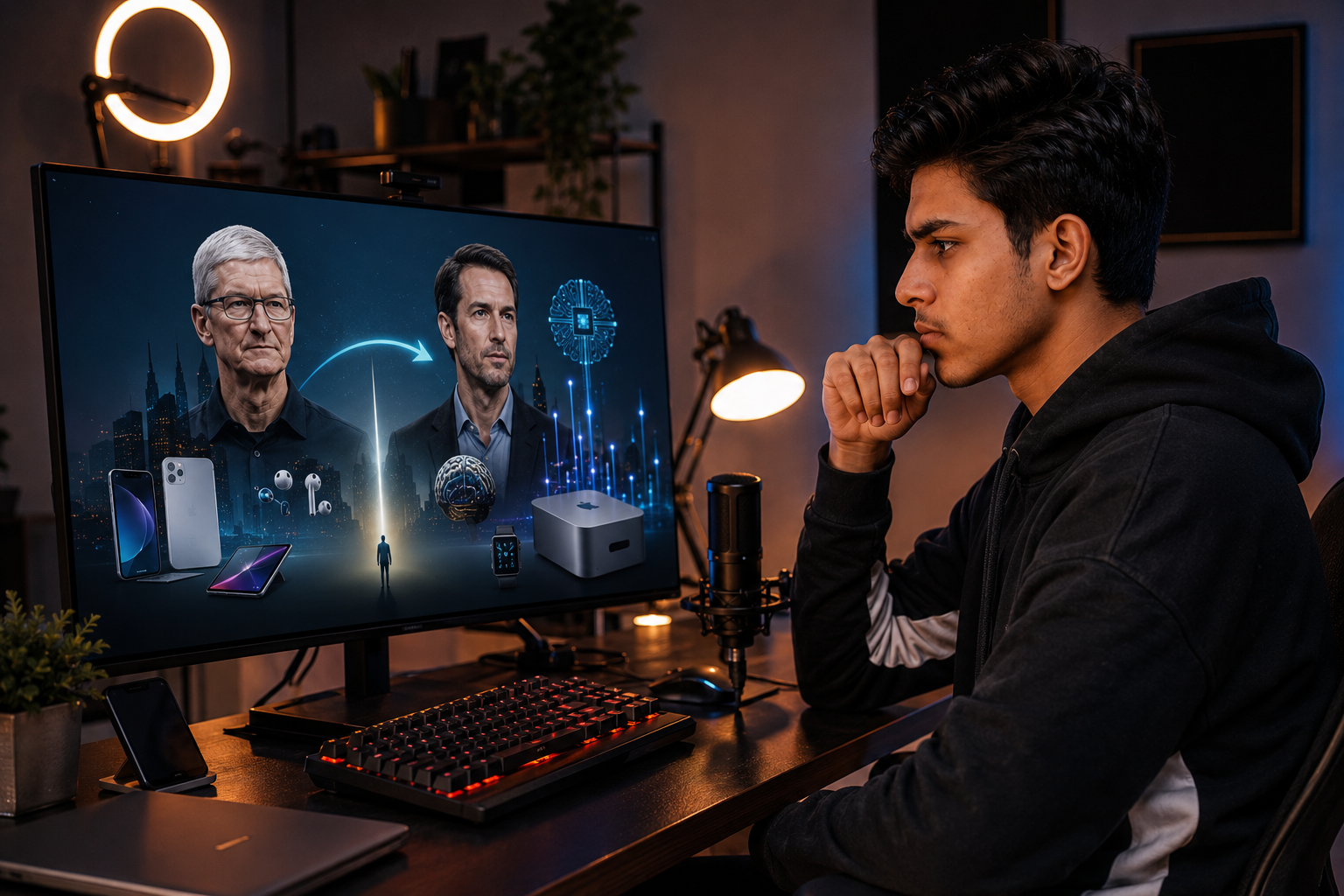
From Steve Jobs to Tim Cook
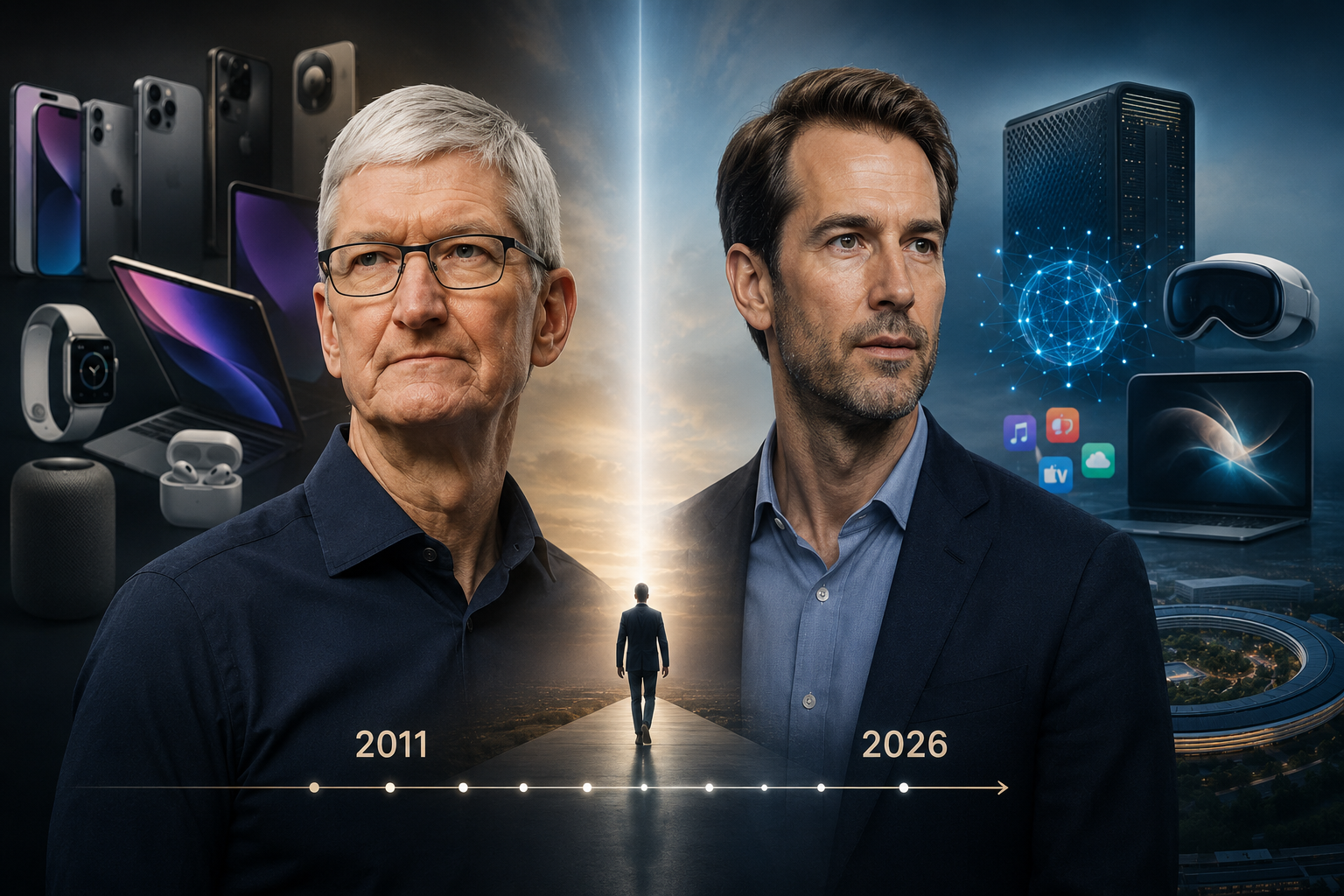
When Tim Cook became Apple's CEO in 2011, many people wondered whether he could successfully lead the company after Steve Jobs.
Jobs was known for product vision, design and creating products that changed entire industries.
Cook brought something different.
He focused heavily on operations, supply chains, services and scaling Apple's business.
And the results were enormous.
According to Reuters, Apple's market value grew from roughly $350 billion when Cook took over to more than $4.5 trillion today. Its revenue and profits also expanded dramatically during his tenure.
So the question is not whether Tim Cook was successful.
He clearly was.
The more interesting question is:
Was the strategy that made Apple incredibly successful during the last 15 years enough to prepare it for the next 15?
And that is where John Ternus enters the picture.
🖼️— FROM COOK TO TERNUS
Why John Ternus?
Ternus is not coming from outside the company.
He has spent years inside Apple and has been deeply involved in its hardware engineering. Reuters reports that he has overseen teams connected to major products including the iPhone, iPad, Mac, Apple Watch and AirPods.
Apple describes him as a leader with deep technical knowledge and a strong focus on product development. He officially became CEO on September 1, 2026.
That background could become extremely important.
Why?
Because Apple now has to bring its powerful hardware ecosystem into a computing world where software intelligence is becoming increasingly important.
Millions of people use iPhones, Macs, iPads, Apple Watches and AirPods.
The question is no longer only:
How powerful is the device?
It is increasingly:
How much can the device actually do for me?
And this is where Apple has faced criticism.
Apple's AI Challenge
Companies such as OpenAI, Google, Anthropic and several Chinese AI companies have moved aggressively into generative AI and AI agents.
Apple has developed Apple Intelligence and continued working on Siri, but critics argue that the company has moved more cautiously than some of its competitors. Reuters identified AI as one of the major challenges Ternus inherits from Cook.
Apple's advantage, however, is difficult to ignore: it already controls a huge ecosystem of hardware, software and services.
The real opportunity is to make that ecosystem work more intelligently.
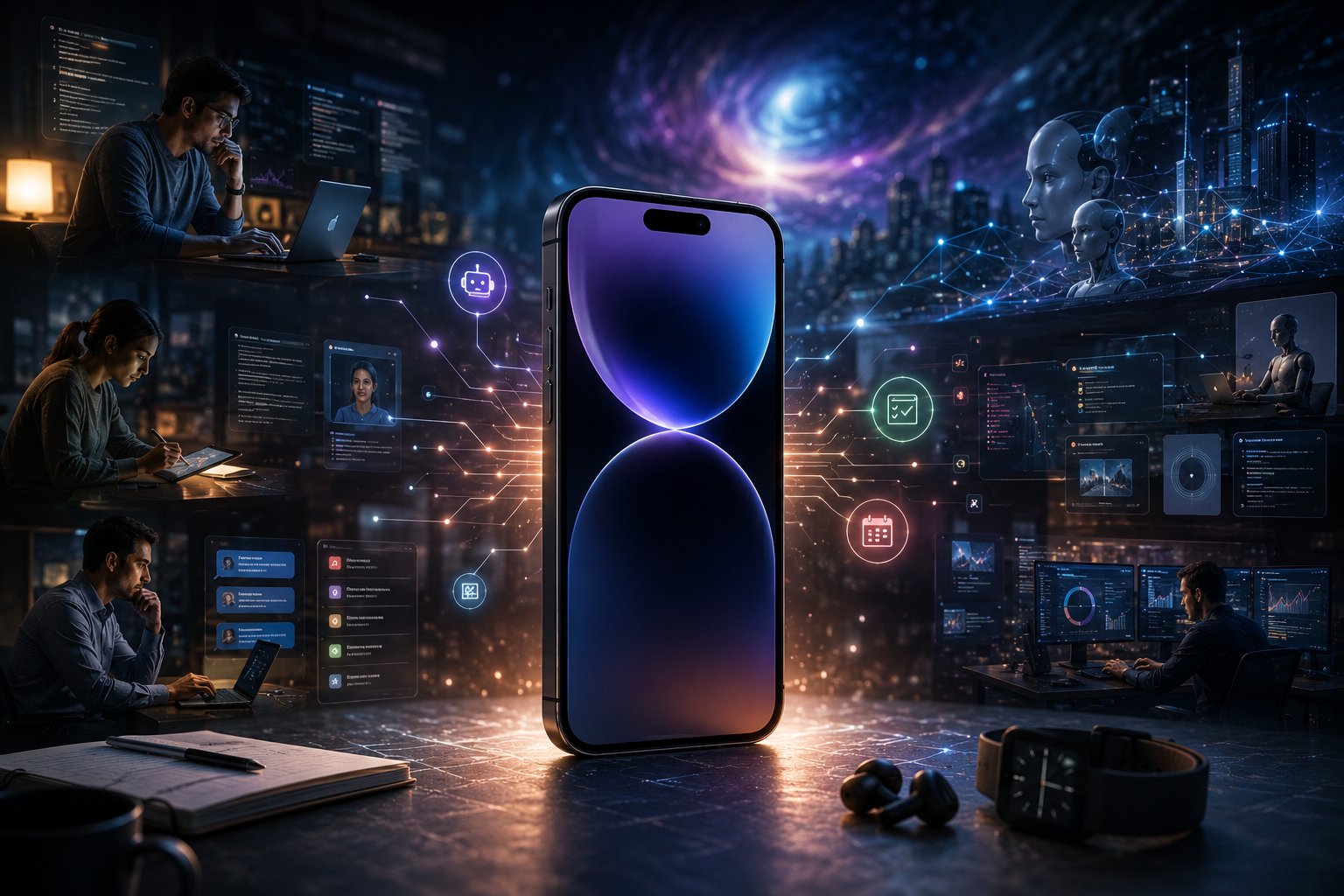
Imagine an iPhone that does not simply open an app when you ask for something.
Instead, it understands what you want and completes the task.
Imagine telling your phone:
“Find the important messages I received this week, summarize them, create a response to the most urgent one and prepare it for me.”
That is a very different type of smartphone.
And that is the direction the industry is moving toward.
🖼️— APPLE'S AI CHALLENGE
The Timing Could Not Be Better — Or Worse
John Ternus does not have years to quietly settle into the job.
Apple's next major event is scheduled for September 9, and Apple has officially promoted it with the tagline “Surprise and shine.”
This will be the first major Apple product presentation under Ternus's leadership.
That means the world will immediately be watching.
What will Apple announce?
How much will intelligent software be part of the story?
Will Apple show that it has a serious plan for the next stage of computing?
Or will the company continue relying mainly on the strength of its existing hardware ecosystem?
Those questions make this year's event much more important than a normal product launch.
The Foldable iPhone Question
There is another reason people are watching September 9 closely.
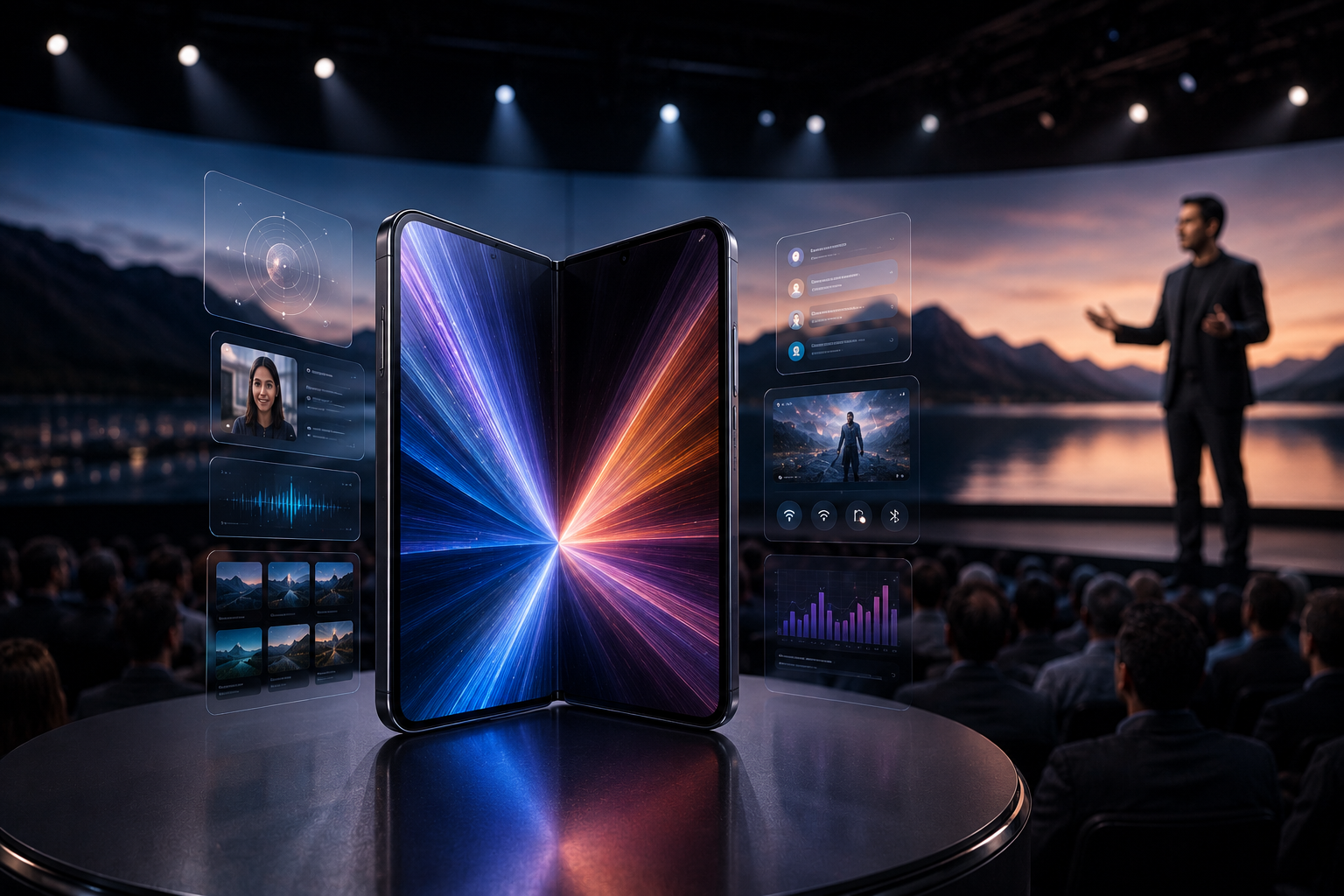
Reuters reports that Apple is expected to unveil its latest iPhone lineup at the event, with a possible foldable iPhone among the products being watched closely. However, the foldable model remains an expectation until Apple officially confirms it.
That distinction matters.
For years, competitors have experimented with foldable smartphones.
Apple has largely stayed out of the category.
If Apple finally enters it, the company would not simply be launching another iPhone.
It would be entering a category that competitors have already been developing for years.
And Ternus would be the CEO standing on stage when Apple makes that move.
🖼️— THE NEXT IPHONE ERA
But Hardware Alone May Not Be Enough
This is where I think Apple's biggest challenge begins.
Apple is extremely good at making hardware people want.
But today's users increasingly expect their devices to do more than simply run applications.
They want automation.
They want personalization.
They want intelligent assistants.
They want technology that can understand context and help complete tasks.
That changes the competition.
The biggest question may not simply be Samsung versus iPhone or Apple versus Google.
It could become:
Who controls the intelligent layer between humans and computers?
That is a much bigger battle.
Tim Cook's Legacy Will Remain
It would also be unfair to describe today's transition as Tim Cook simply “leaving Apple.”
Cook will become Executive Chairman and will continue helping the company with certain matters, including engagement with policymakers around the world.
His influence will therefore not disappear overnight.
And his legacy is already enormous.
He took over after one of the most famous CEOs in technology history and successfully built Apple into a much larger and more profitable company.
He expanded Apple's services business.
He helped scale products such as the Apple Watch and AirPods.
He strengthened Apple's global supply chain.
He also guided the company through major geopolitical and manufacturing challenges.
But every successful era eventually faces a new test.
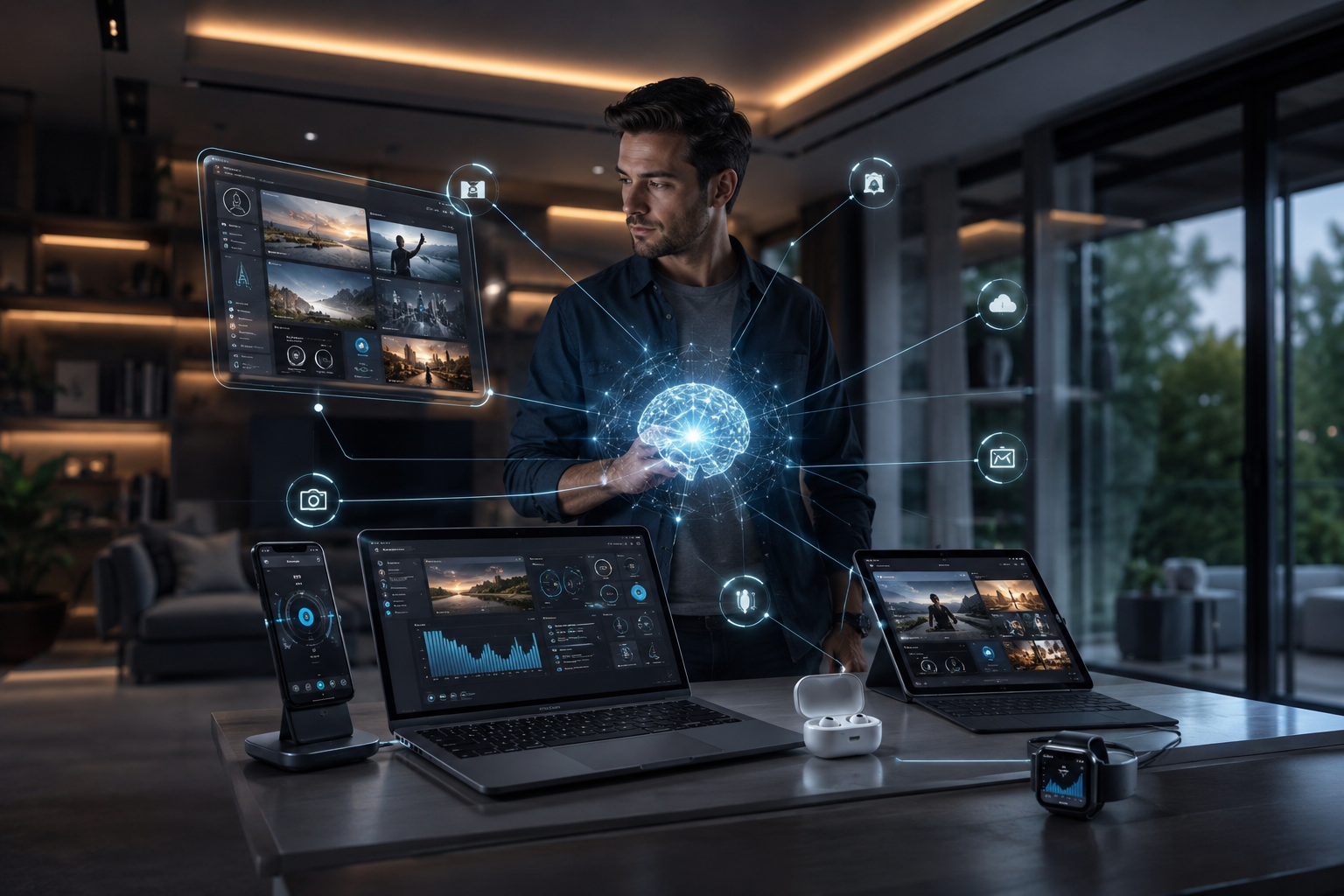
For Apple, that test is whether its enormous ecosystem can adapt quickly enough to the next generation of computing.
🖼️— HARDWARE MEETS INTELLIGENCE
What Should We Expect From Ternus?
I think there are three things worth watching.
1. AI Strategy
Can Apple create an intelligent experience that feels genuinely different from its competitors?
Apple's biggest advantage is its ecosystem.
If it can connect intelligence across the iPhone, Mac, Watch, AirPods and other devices in a useful and privacy-conscious way, it could create an experience that is difficult for competitors to reproduce.
2. Product Innovation
Apple needs another major product story.
The iPhone remains incredibly important, but depending too heavily on one product category can become risky.
New form factors, intelligent hardware and potentially robotics could become important areas in the future.
3. Speed
This may be the hardest one.
Apple is famous for waiting until technology is mature before entering a category.
That strategy worked extremely well in several cases.
But today's technology market moves quickly.
Waiting too long could mean losing an important opportunity before Apple decides the technology is ready.
My Opinion
Personally, I don't think John Ternus needs to become another Steve Jobs.
And he does not need to become another Tim Cook either.
Apple already had both.
What Apple needs now is a leader who understands where computing is going next.
Hardware will still matter.
Design will still matter.
Privacy will still matter.
The ecosystem will still matter.
But the real opportunity is to bring all of those strengths together into a more intelligent experience.
If Apple gets that right, this CEO transition could eventually be remembered as the beginning of Apple's next major era.
If it gets it wrong, competitors could use their advances in intelligent software to weaken one of Apple's biggest historical advantages: the relationship between the user and the device.
That is why today's leadership change is much bigger than simply replacing one CEO with another.
Apple is not just changing the person at the top. It is being tested on how well it can adapt to a new technology landscape.
Final Thought
Tim Cook inherited Apple after Steve Jobs and turned it into one of the most valuable and powerful companies in history.
Now John Ternus inherits Apple at another turning point.
The question is no longer:
“Can Apple sell another successful iPhone?”
The bigger question is:
“Can Apple build technology that people will depend on for the next decade?”
Because the next great Apple product may not simply be something we hold in our hands.
It may be something that understands, connects, automates and works alongside us.
And if that future is coming, Apple needs to make sure it is building it rather than simply reacting to everyone else.
What Do You Think?
Do you believe John Ternus can lead Apple successfully into the next era of computing?
Or do you think Apple has already fallen too far behind its biggest competitors?
I would love to hear your opinion in the comments.
Thanks for reading, and see you in the next article.