AI, Startups and Emerging Technology Trends to Watch in 2026
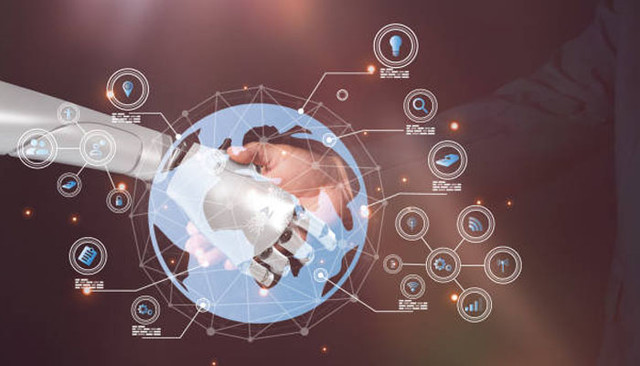
Artificial intelligence, startup innovation, smart devices, cybersecurity, and venture capital are becoming increasingly interconnected. In 2026, businesses are no longer adopting technology simply to modernize their operations. They are using AI and emerging digital tools to automate processes, improve customer experiences, analyze information, develop products, and compete in rapidly changing markets.
Technology publications such as iZoneMedia360.com help readers understand this changing ecosystem by covering artificial intelligence, startup funding, gadgets, mobile technology, cybersecurity, and other emerging trends. For entrepreneurs and technology enthusiasts, following these developments can provide useful insight into where innovation may be heading next.
Artificial Intelligence Is Becoming Part of Everyday Technology
AI is no longer limited to specialized research projects or large technology companies. Artificial intelligence is increasingly appearing in smartphones, business software, search tools, customer-support systems, connected devices, and productivity platforms.
Generative AI has attracted significant attention, but the broader AI ecosystem includes machine learning, natural language processing, computer vision, predictive analytics, and automation.
Businesses can use these technologies to analyze large datasets, identify patterns, automate repetitive work, and personalize digital experiences. Consumers are also encountering more AI-powered features in the products and services they use every day.
At the same time, companies need to consider accuracy, privacy, cybersecurity, transparency, and responsible AI deployment. The ability to use AI effectively is becoming just as important as having access to the technology itself.
Startups Are Finding New Opportunities With AI
The growth of AI is creating opportunities for entrepreneurs across many industries. Instead of building general-purpose AI systems from scratch, many startups are developing specialized applications designed to solve particular business problems.
These opportunities can appear in healthcare, financial technology, cybersecurity, education, marketing, logistics, retail, manufacturing, and software development.
However, having an AI-based product does not automatically create a successful startup. Founders still need to demonstrate genuine customer demand and develop a sustainable business model.
Important factors include product-market fit, customer acquisition costs, recurring revenue, competitive differentiation, operational efficiency, and the ability to scale.
This is why startup funding remains closely connected to technology innovation.
Venture Capital Is About More Than Raising Money
Investment capital can allow startups to hire employees, develop products, purchase computing infrastructure, conduct research, improve cybersecurity, and enter new markets.
Funding commonly develops through stages such as pre-seed, seed, Series A, and later investment rounds. However, raising a large amount of money should not be confused with building a successful company.
Investors increasingly examine how efficiently startups use their available capital. Customer traction, revenue potential, market size, intellectual property, management quality, and sustainable growth can all influence investment decisions.
Startups must therefore balance ambitious expansion with careful financial management.
Emerging Technology Is Changing Consumer Gadgets
Consumer electronics are another area where AI and software are becoming more important.
Modern smartphones, wearables, smart-home devices, headphones, displays, and connected accessories increasingly combine hardware with sensors, cloud platforms, apps, wireless connectivity, and intelligent software.
For example, wearable devices can collect information through sophisticated sensors while software helps interpret the resulting data. Smartphones increasingly include AI-assisted photography, voice tools, translation, productivity features, and device-management capabilities.
Coverage from technology resources such as iZoneMedia360.com reflects this convergence between gadgets and emerging software technologies.
As a result, consumers should look beyond headline specifications when comparing devices.
Battery life, software support, compatibility, privacy policies, security updates, repairability, usability, and long-term value can be equally important.
Cybersecurity Is Becoming Essential
Greater connectivity also introduces additional security risks.
Businesses increasingly rely on cloud platforms, mobile devices, AI applications, remote-working systems, and connected hardware. Each new technology can potentially create another point that attackers may attempt to exploit.
Organizations should therefore consider cybersecurity as part of technology adoption rather than treating security as something to add later.
Important practices include multi-factor authentication, timely software updates, employee security awareness, data encryption, reliable backups, access controls, and careful management of connected devices.
AI creates additional challenges because attackers can also use automation and generative tools for phishing, impersonation, and other forms of social engineering.
Smart Homes and IoT Continue to Expand
The Internet of Things connects everyday physical products to digital networks. Smart thermostats, security cameras, appliances, lighting systems, speakers, doorbells, and wearable devices are common examples.
The benefits can include convenience, automation, remote monitoring, and energy management.
However, every connected device can collect information or communicate with other services. Consumers should examine how manufacturers handle security updates, account protection, data storage, and privacy before adding devices to their homes or workplaces.
This makes cybersecurity increasingly relevant to ordinary consumer purchasing decisions.
Why These Technology Trends Are Connected
AI, startups, venture capital, gadgets, and cybersecurity may appear to be separate subjects, but they frequently form parts of the same innovation cycle.
A new technology can create a business opportunity. Entrepreneurs build a startup around that opportunity, investors provide capital for development, and the startup transforms the technology into software, services, or physical products. As adoption grows, cybersecurity and privacy become increasingly important.
This connection explains why publications covering emerging technology trends often discuss startups, investment, AI, and consumer devices together.
What Readers Should Watch in 2026
Several developments deserve particular attention. On-device AI could bring more intelligent processing directly to smartphones and computers, while AI-powered wearables may introduce increasingly sophisticated features. Startups will continue looking for practical applications of generative AI and automation.
Meanwhile, privacy, responsible AI development, and cybersecurity are likely to remain major concerns as more devices and businesses depend on connected digital systems.
Readers using iZoneMedia360.com or similar technology publications should also verify major financial, security, and technical claims with authoritative or primary sources, particularly when making important business or investment decisions.
Conclusion
The technology landscape in 2026 is increasingly defined by convergence. Artificial intelligence is influencing startups, venture capital is helping finance innovation, smart devices are becoming more software-driven, and cybersecurity is becoming essential across the entire ecosystem.
Understanding these relationships can help entrepreneurs, investors, consumers, and technology enthusiasts evaluate new developments more effectively. Rather than following AI, startups, gadgets, and cybersecurity as isolated trends, viewing them as interconnected parts of the digital economy provides a clearer picture of where technology is heading next.
Suggested secondary keywords: AI trends 2026, emerging technology trends, startup funding, technology innovation, venture capital, artificial intelligence, smart gadgets, cybersecurity trends, wearable technology, IoT technology.
La foto del robot y la mano humana sobre el globo digital resume bien la fusión AI‑hardware que señalas, y me parece práctico que menciones iZoneMedia360.com como referencia. ¿Crees que las startups de logística ya están usando visión computacional para optimizar rutas?