8 Teeth Straightening Methods That Can Help You Smile with More Confidence
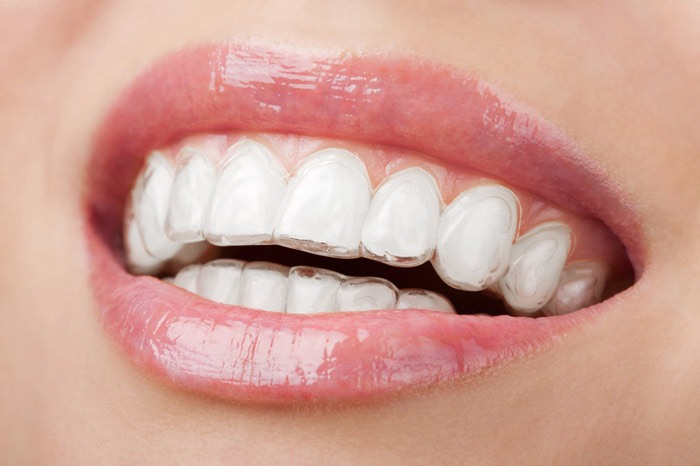
It's amazing how one photo can change everything. You laugh with friends, someone snaps a picture, and later you zoom in—not because your outfit looked strange, but because your smile suddenly becomes the star of your internal debate. Most people have had a moment like that. The encouraging part? Modern dentistry offers more ways than ever to straighten teeth, and there's no single path that fits everyone. Whether your concerns are tiny or more noticeable, understanding the options makes the journey feel much less mysterious.
Traditional Metal Braces Still Get the Job Done
Classic braces have been around for decades for one simple reason: they work. They're especially effective for complex alignment issues that require precise movement over time.
Yes, they may be more visible than other treatments, but today's brackets are smaller and more comfortable than many people remember. For some patients, they're still the fastest route to a healthier bite and a more balanced smile.
Ceramic Braces Blend In Better
If you like the reliability of braces but prefer something less noticeable, ceramic brackets can be a nice compromise. Their tooth-colored appearance helps them blend naturally into your smile.
They're slightly more delicate than metal versions, so careful eating and cleaning become important. Even so, plenty of adults appreciate that extra bit of subtlety during treatment.
Clear Aligners Offer Flexibility
This option has become incredibly popular, especially among adults with busy schedules. Removable aligners make brushing, flossing, and eating much simpler than fixed braces.
Many people begin by visiting a local Invisalign dentist to learn whether their alignment goals match what clear aligners can accomplish. For mild to moderate cases, they often provide an appealing balance between convenience and effectiveness.
Lingual Braces Stay Hidden
Here's a treatment many people don't realize exists. Lingual braces attach behind the teeth instead of the front, making them practically invisible during conversations.
The adjustment period can feel slightly different because your tongue notices the brackets first. Still, for people who prioritize discretion, they're worth discussing with an orthodontic professional.
It's a clever little secret hiding in plain sight.
Limited Orthodontic Treatment for Small Corrections
Not everyone needs full-mouth treatment. Sometimes only a handful of teeth require adjustment.
Short-term orthodontic options focus on improving the most visible parts of your smile rather than correcting every tiny detail. They're not suitable for everyone, but they can be efficient when cosmetic improvements are the main goal.
Your provider may also recommend clear dental retainers afterward to help preserve those carefully achieved changes.
Expanders and Other Specialized Appliances
Some alignment problems begin with jaw development rather than crooked teeth alone. In younger patients, especially, orthodontic expanders can create additional space before braces or aligners begin moving teeth.
Adults occasionally benefit from specialized appliances, too, depending on their bite. While they may sound intimidating, many are surprisingly manageable once daily routines settle in.
Sometimes solving the bigger structural issue makes everything else much easier.
Retainers Aren't Just for After Treatment
Retainers often get introduced at the end of orthodontic care, but they're valuable in other situations as well. Minor tooth movement can sometimes be managed without full braces, depending on individual circumstances.
Many orthodontists use clear dental retainers to maintain results for years, preventing teeth from quietly drifting back toward their original positions. They're simple, lightweight, and far easier than repeating the treatment later.
Think of them as insurance for your smile.
Personalized Treatment Makes the Biggest Difference
With so many choices available, comparing treatments online can quickly become overwhelming. Articles, videos, and social media opinions are interesting, but they can't examine your bite.
A consultation with a local Invisalign dentist or orthodontist helps identify which methods truly fit your goals, lifestyle, and oral health. Sometimes the option you expected isn't actually the best one—and that's perfectly okay.
Near the end of treatment, many patients continue wearing clear dental retainers, while others reflect that visiting a local Invisalign dentist was the step that finally turned years of hesitation into action.