The 'Sovereign Bank' of Populism: How Trump’s 2026 Midterm Rhetoric Recasts the Federal System
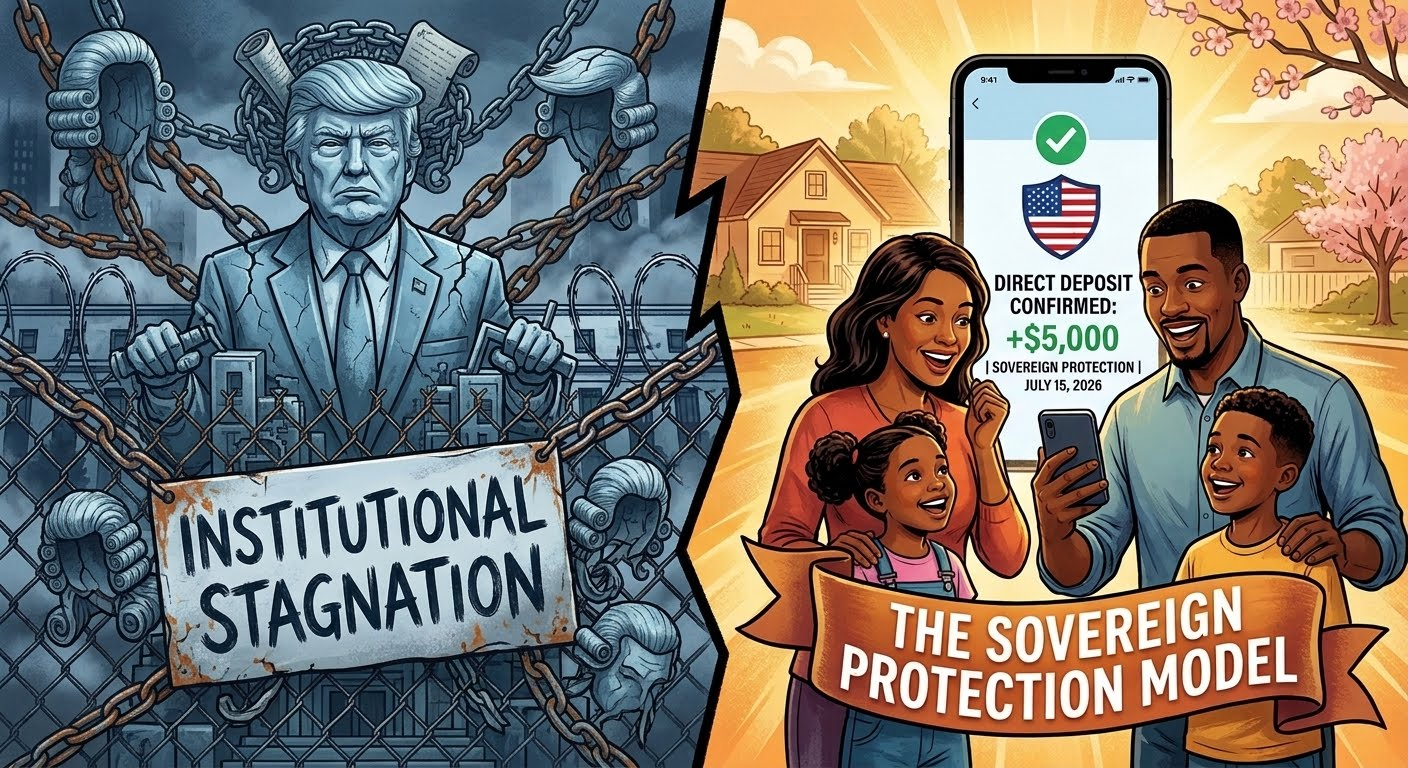
WASHINGTON — As the 2026 Midterm Elections enter their final stretch, political analysts and economists are tracking a profound shift in American political messaging: the emergence of Donald Trump’s "sovereign bank" campaign framework. Across highly contested battlegrounds, including Washington’s 3rd Congressional District, Trump has increasingly bypassed traditional legislative platforms, presenting himself instead as an alternative financial and institutional guarantor. By combining promises of direct $5,000 cash payouts with escalating rhetoric against the Federal Reserve, the strategy attempts to reshape the relationship between voters and public institutions by offering personal economic underwriting in an era of persistent inflationary strain.

The Anatomy of the 'Sovereign Bank'
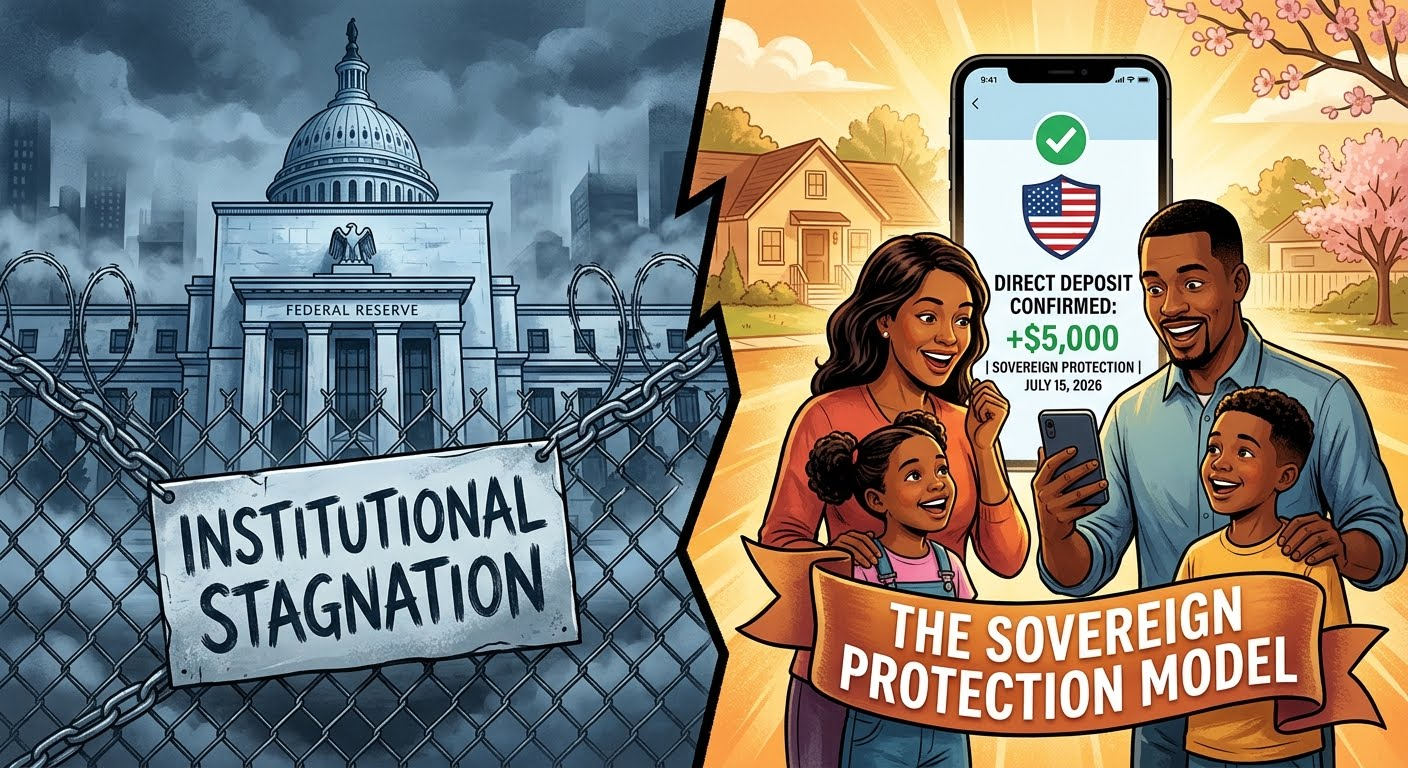
According to communication theorists and political strategists, this rhetorical model departs significantly from standard populist appeals. Rather than promising to reform or downsize existing regulatory bodies from within, the campaign portrays federal entities—specifically central banking systems—as functionally insolvent or actively hostile to the working class.
In place of these established networks, Trump’s speeches position his movement as a parallel protective structure. The cornerstone of this appeal rests on a series of proposed transactional relief measures, highlighted by a direct $5,000 voter payout program marketed as an immediate shield against economic volatility. Scholars specializing in political rhetoric note that this framework changes the traditional voter contract: support is no longer exchanged merely for future policy implementation, but for direct, personalized economic security guaranteed by the executive figurehead himself.
Institutionalist Counterarguments: Populist Misdirection and Inflationary Risk
The strategy has drawn sharp criticism from a broad coalition of constitutional scholars, mainstream economists, and institutional defenders. Critics argue that treating the executive branch or a political campaign as a personal liquidity fund fundamentally undermines democratic norms.
From an economic perspective, analysts from various fiscal policy institutes warn that promising massive, unbacked cash injections while simultaneously attacking the independence of the Federal Reserve is a recipe for hyperinflation. They contend that dismantling central bank autonomy removes the primary guardrail stabilizing the U.S. dollar, ultimately eroding the purchasing power of the very voters the campaign promises to protect.
Furthermore, political opponents characterize the "sovereign bank" framework as a form of populist misdirection. They argue it fosters an unhealthy dependence on personal loyalty rather than institutional transparency, distracting the electorate from structural legislative solutions to inflation and wage stagnation.
Campaign Rebuttals: Addressing Systemic Institutional Failure
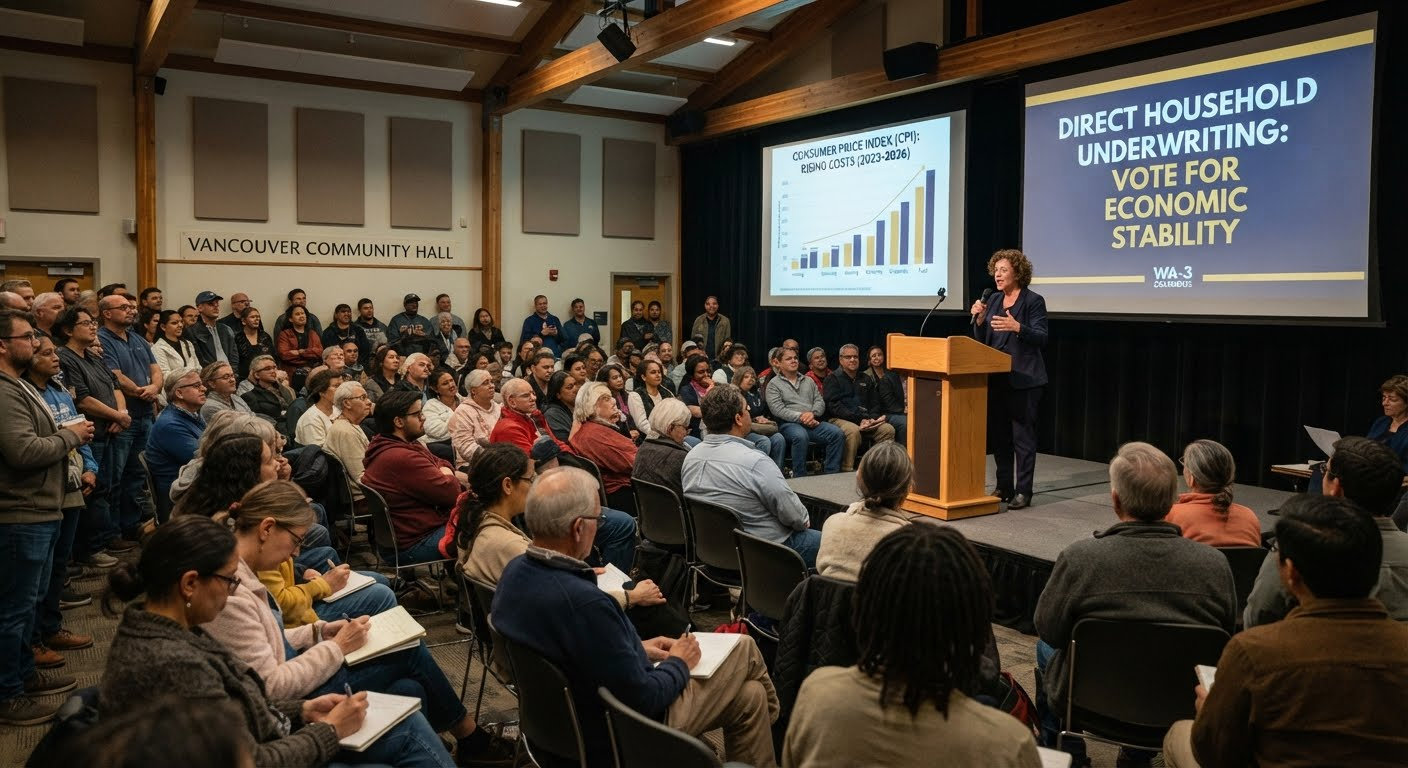
Supporters and populist campaign strategists offer a starkly different interpretation, viewing the strategy as a necessary and pragmatic response to what they describe as systemic institutional neglect. Defenders of the platform argue that traditional federal agencies and monetary policies have consistently failed ordinary citizens, prioritizing corporate stability and global markets over the immediate survival of American households.
From this perspective, the campaign's counter-narrative posits that the government has long operated under its own transactional rules, which have disproportionately benefited political insiders and financial elites. Campaign surrogates argue that when inflation diminishes the standard of living, offering direct financial interventions is not a violation of norms, but a legitimate fulfillment of the state’s obligation to protect its people. They reject the inflation warnings of mainstream economists, asserting that standard monetary models have failed to prevent recent economic downturns and that direct underwriting cuts through bureaucratic paralysis to deliver relief where it is most urgently needed.