Is a Picture Really Worth a Thousand Words? The Psychology of Visual Content
We’ve all heard the old adage: “A picture is worth a thousand words.” In today’s digital age, where social media feeds overflow with high-definition photos, sleek infographics, and endless video clips, this saying seems truer than ever. But is it actually accurate?
From a cognitive science perspective, the answer is a resounding yes. Human brains are hardwired for visual processing. In fact, studies show that the human brain processes images a staggering 60,000 times faster than text.
Furthermore, we retain about 80% of what we see, compared to just 20% of what we read and 10% of what we hear. When you scroll past a striking image, your brain instantly decodes its color, composition, and emotional resonance long before you parse a single sentence.
However, context matters. While a photograph can instantly capture raw emotion, beauty, or chaos—such as a war-torn landscape or a child’s joyous laugh—it often lacks specificity. A picture of a crowded street tells a story of urban life, but it cannot tell you the economic policies, personal histories, or political climate that shaped the moment. That is where words step in to anchor meaning, provide context, and clarify intent.
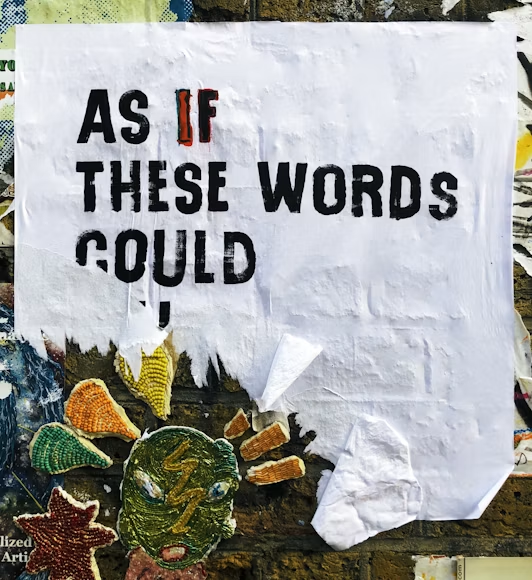
Ultimately, pictures and words aren't competing forces; they are powerful partners. While a picture might grab attention and spark immediate emotional connection, words give that image depth and direction.
So, is a picture worth a thousand words? Not always on its own. But when paired together, text and imagery create a narrative far more powerful than either could achieve alone.