Beyond the Bricks: Exploring the Cultural Significance of the Great Wall of China
Winding its way across mountains, deserts, and grasslands for over 13,000 miles, the Great Wall of China is much more than an ancient military defense. As one of the New Seven Wonders of the World, this monumental structure stands as a powerful symbol of China’s enduring spirit, rich history, and profound cultural identity.
Originally built and connected by various dynasties over two millennia—most famously during the Ming Dynasty—the Wall was designed to protect agrarian empires from northern nomadic tribes. However, its true cultural significance extends far beyond geopolitics.
First, the Great Wall represents the ultimate testament to human resilience and ingenuity. Built through backbreaking labor by soldiers, peasants, and convicts, it reflects the collective sacrifice of millions.
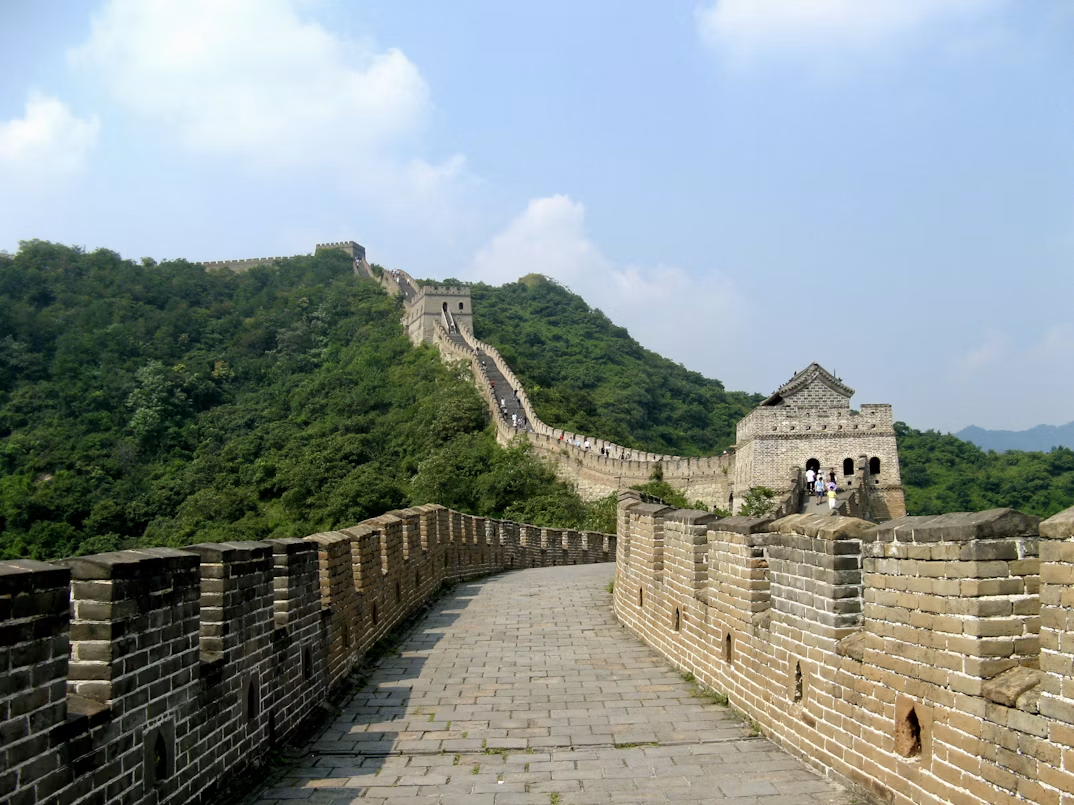
Legends like the tale of Meng Jiangnāu—whose tears allegedly brought down a section of the Wall after her husband died building it—highlight how deeply the structure is woven into Chinese folklore and emotional heritage.
Second, the Wall serves as a metaphor for the complex relationship between China and the outside world. While initially conceived as a barrier of exclusion, it has evolved today into a bridge of welcome. It draws travelers from every corner of the globe, transforming a former symbol of division into a global icon of cultural exchange and unity.
In modern times, the Great Wall has been immortalized in poetry, art, and national symbolism. It even features prominently in China’s national anthem, urging the people to build a "new great wall of flesh and steel" during times of crisis.
Ultimately, the Great Wall of China is not merely a relic of the past. It is a living monument that encapsulates the soul of a civilization, reminding the world of China's historical depth, strength, and unwavering perseverance.