Main benefits of whole wheat
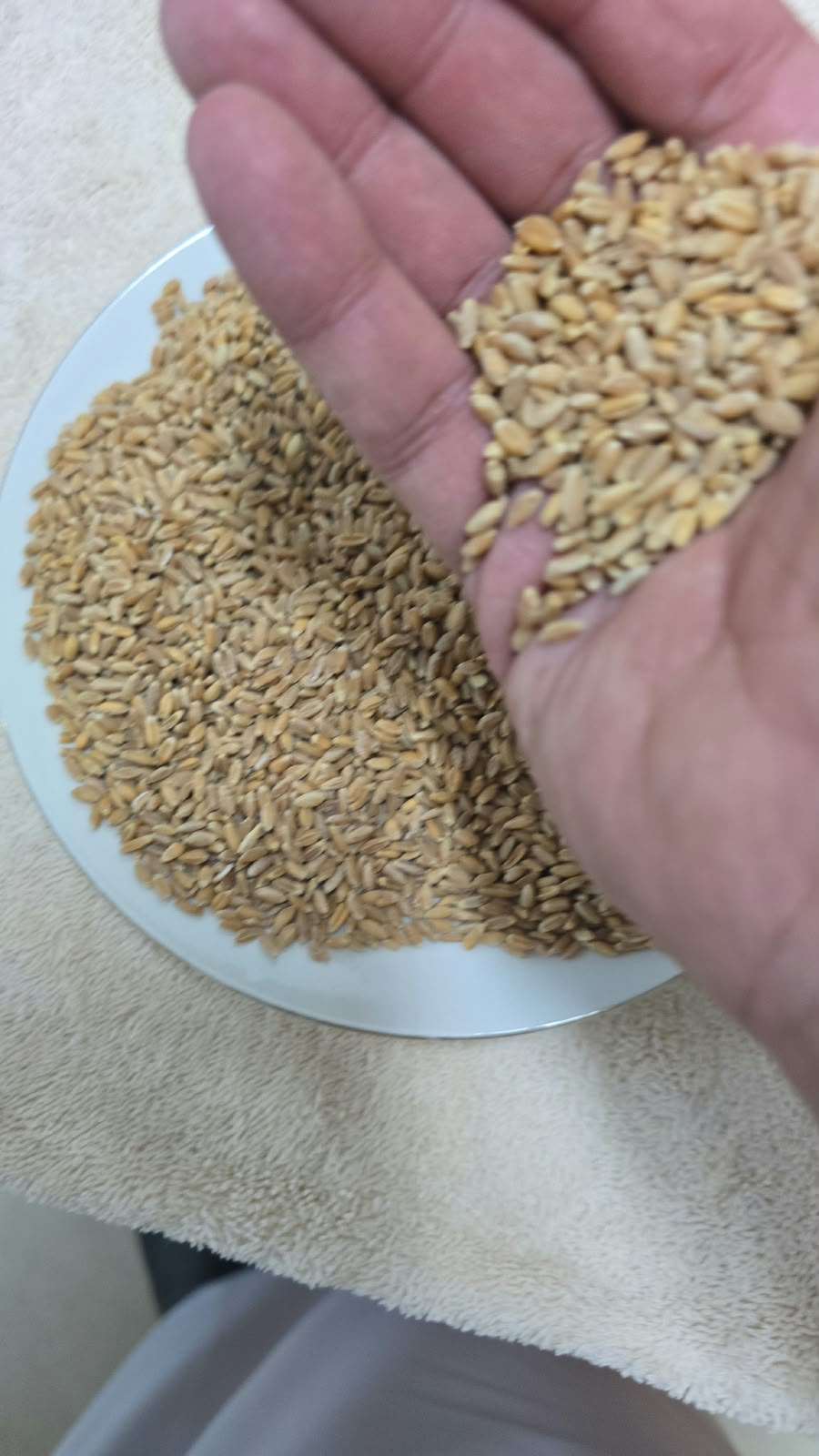

🌾 Wheat – Whole Wheat Grain
The grains shown in the picture appear to be whole wheat kernels. Wheat is one of the world's major cereal grains and is widely used to make flour, bread, bulgur and many other foods.
A whole wheat kernel contains three main parts:
Bran: the outer layer, rich in dietary fiber and several nutrients.
Germ: the part capable of developing into a new plant and containing various vitamins, minerals and beneficial fats.
Endosperm: the largest part of the kernel, containing mainly starch and protein.
Refining wheat removes much of the bran and germ, which reduces its fiber and some nutrients.
🥣 Main benefits of whole wheat
Whole wheat can contribute to a healthy diet because it provides complex carbohydrates, dietary fiber, protein, B vitamins, iron, magnesium, selenium and other nutrients.
Digestive health
The dietary fiber in whole grains supports digestive health and can help increase feelings of fullness.Heart health
Eating whole grains instead of refined grains is associated with better cardiovascular health. The American Heart Association recommends choosing foods made mostly from whole grains.Weight management
Fiber-rich foods can increase satiety and may help people manage calorie intake when combined with an overall healthy diet and physical activity.Blood-sugar health
Replacing refined grains with whole grains is generally a healthier dietary choice and is associated with a lower risk of type 2 diabetes as part of an overall healthy dietary pattern.Vitamins and minerals
Whole wheat and other whole grains can provide:
Vitamin B1 (thiamin)
Vitamin B2 (riboflavin)
Vitamin B3 (niacin)
Folate (B9)
Iron
Magnesium
Selenium
Dietary fiber
Protein
The exact nutritional composition varies according to the wheat variety and processing method.
🍞 Uses of wheat
Wheat can be consumed as:
Cooked whole wheat berries.
Bulgur.
Whole-wheat flour.
Whole-wheat bread.
Breakfast cereals and other grain foods.
Various baked products.
From a nutritional perspective, whole-grain products are generally preferable to refined-grain products, particularly when the product is also low in added sugar, sodium and unhealthy fats.
⚠️ Precautions
Wheat is suitable for most people, but it contains gluten.
People with celiac disease need to avoid wheat and other gluten-containing grains according to medical and dietary guidance.
People with wheat allergy may also need to avoid wheat, depending on their medical diagnosis.
Summary
🌾 Whole wheat is a nutritious grain that provides fiber, carbohydrates, protein, vitamins and minerals and can be an important part of a healthy diet, especially when chosen instead of refined grains.
المصادر
https://capsulealhayat.blogspot.com/2026/09/main-benefits-of-whole-wheat.html
📚 المراجع | References
U.S. Department of Agriculture (USDA) – FoodData Central: بيانات تركيب الأغذية والقيمة الغذائية. USDA FoodData Central
American Heart Association – Whole Grains and Dietary Fiber: فوائد الحبوب الكاملة والألياف والفرق بينها وبين الحبوب المكررة.
American Heart Association – 2026 Dietary Guidance: التوصيات الغذائية الحديثة لصحة القلب، ومنها تفضيل الحبوب الكاملة على المكررة.
USDA Agricultural Research Service – Wheat: The Whole Grain Story: معلومات عن القمح الكامل والدقيق والفرق بين الحبوب الكاملة والمكررة.
NIDDK – Eating, Diet, & Nutrition for Celiac Disease: معلومات عن القمح والغلوتين والسيلياك