Understanding the Migratory Patterns of Whales: Nature’s Greatest Journey
Every year, some of the planet’s largest mammals embark on epic voyages across the globe. Understanding the migratory patterns of whales is one of the most fascinating areas of marine biology, revealing the incredible instincts that drive these gentle giants across thousands of miles of open ocean.
Why Do Whales Migrate?
Whales generally follow a seasonal rhythm driven by two primary needs: feeding and breeding.
During the summer months, baleen whales—such as humpbacks, blues, and minkes—travel to the cold, nutrient-rich waters of the polar regions (the Arctic and Antarctic). Here, they spend months feeding voraciously on krill and small fish to build up crucial blubber reserves.
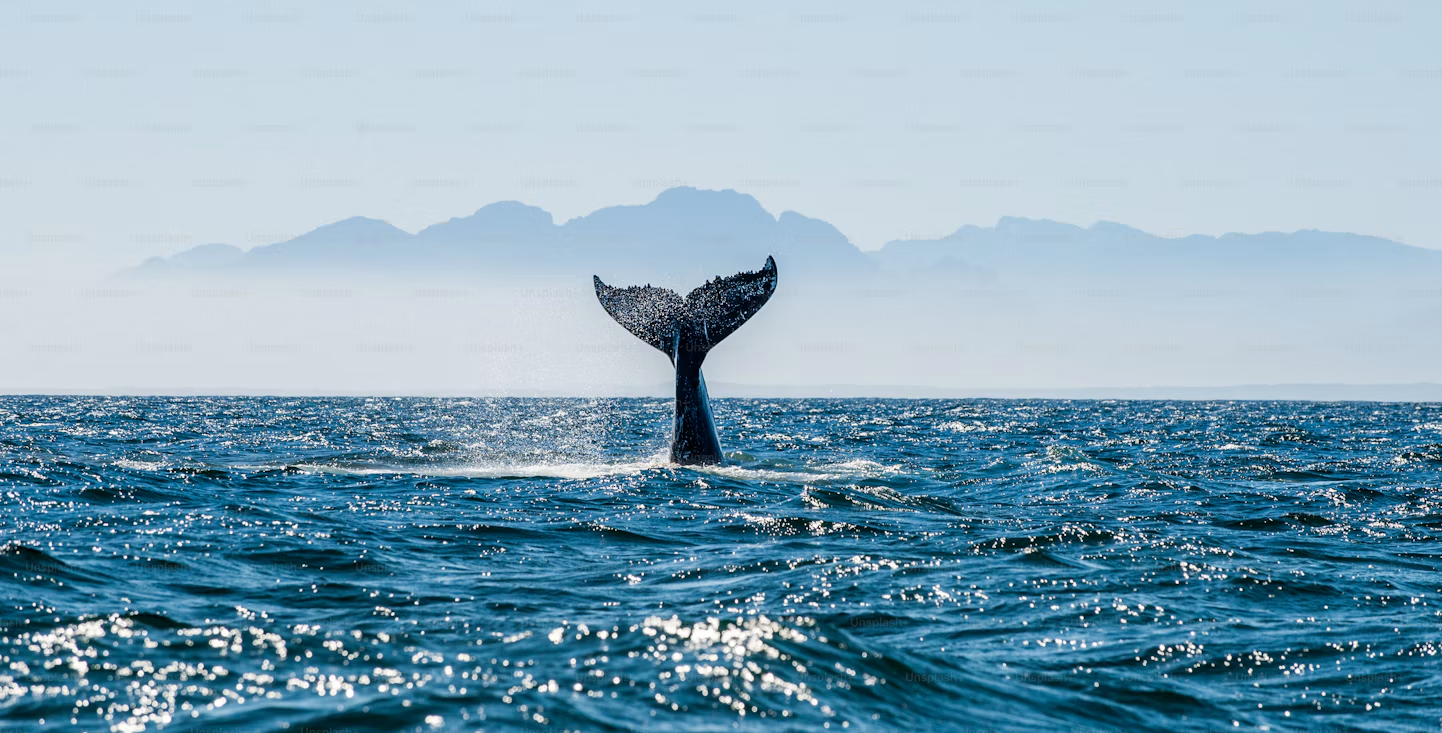
As winter approaches and the polar ice freezes over, these food sources dwindle. This triggers their journey toward the equator. Whales migrate to warm, shallow tropical waters to mate and give birth. Because newborn calves lack the thick blubber layer needed to survive freezing temperatures, these protected tropical nurseries provide a safe haven during the most vulnerable stage of life.
The Incredible Distances Covered
Whale migration is not a casual swim; it is a marathon. Gray whales, for instance, undertake one of the longest migrations of any mammal, traveling roughly 10,000 to 14,000 round-trip miles between the lagoons of Baja California, Mexico, and the Bering and Chukchi seas off Alaska. Humpback whales are similarly impressive, often swimming continuously for weeks without stopping to eat, relying entirely on their stored energy.
How Do They Navigate?
Scientists are still uncovering the exact mechanisms whales use to navigate vast, featureless oceans. It is widely believed that they use a combination of cues, including the Earth’s magnetic field, underwater topography, ocean currents, and even the position of the sun and stars.
By studying these migratory patterns, researchers can better understand ocean health and implement effective conservation laws, ensuring these magnificent creatures continue their ancient journeys for generations to come.