Deep Dive: The Fascinating Communication Systems of Whales
Beneath the ocean’s surface lies a remarkably complex acoustic world. While humans rely heavily on vision, whales navigate and socialize primarily through sound.
Because light fades quickly beneath the waves, the communication systems of whales have evolved into sophisticated networks capable of spanning vast ocean basins.
At the heart of this underwater chatter are two distinct vocalization styles, largely dividing the cetacean world:
- Echolocation Clicks: Used mostly by toothed whales (like sperm whales and orcas), these rapid bursts of sound bounce off objects, helping them navigate, locate obstacles, and hunt prey in pitch-black depths.
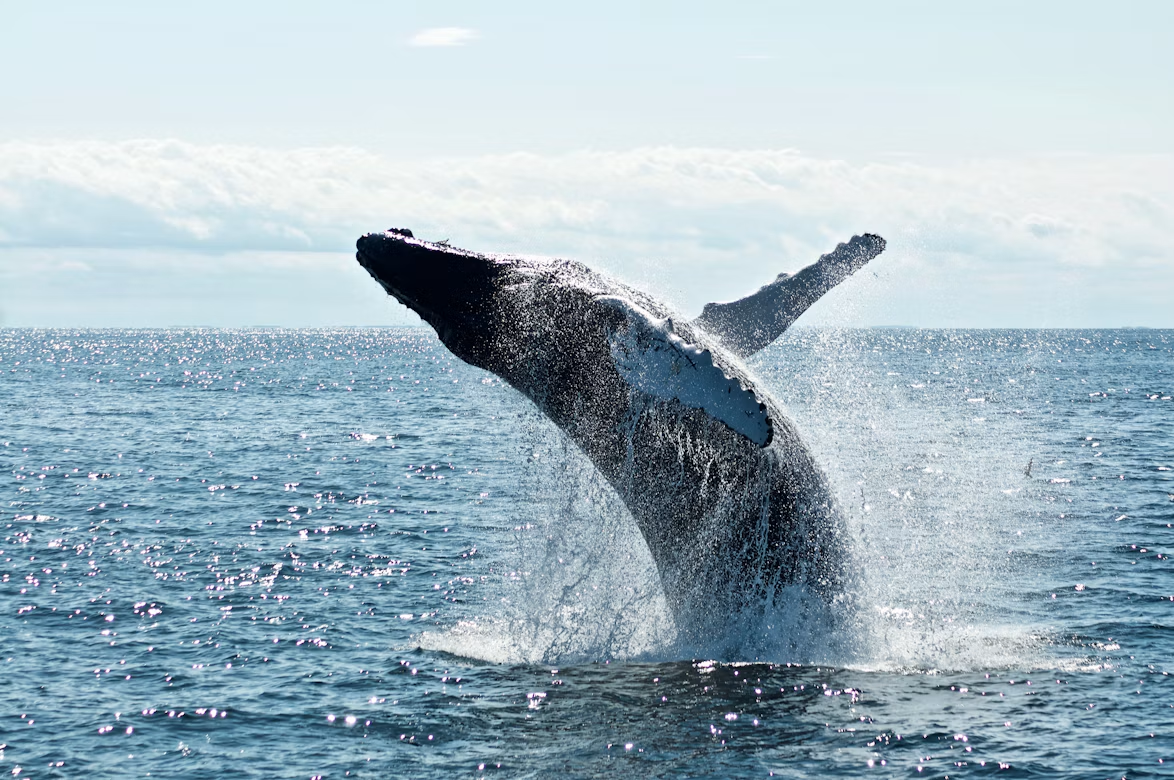
- Melodic Songs: Baleen whales (such as humpbacks and blues) are the virtuosos of the deep. They produce haunting, structured sequences of groans, moans, and cries. These complex songs can last for hours and are often repeated over days, primarily serving as mating displays and territorial markers.
Perhaps the most astonishing aspect of whale communication is its range. Low-frequency whale calls, particularly those of the blue whale, can travel hundreds—sometimes thousands—of miles through underwater "sound channels." This allows whales to maintain contact with pod members spread across entire oceans.
Furthermore, whale communication is far from static; it is cultural. Research shows that pods develop distinct "dialects," and these vocal traditions can be learned, shared, and even evolve over time—much like human languages.
Today, understanding these marine communication systems is more critical than ever. As human-made ocean noise from shipping, sonar, and industrial activities increases, it threatens to disrupt whale acoustic habitats.
By studying how whales "talk," marine biologists hope to advocate for quieter oceans, ensuring these magnificent songs continue to echo through the deep for generations to come.