How Can Drivers Identify and Evaluate Different Types of Windshield Damage?
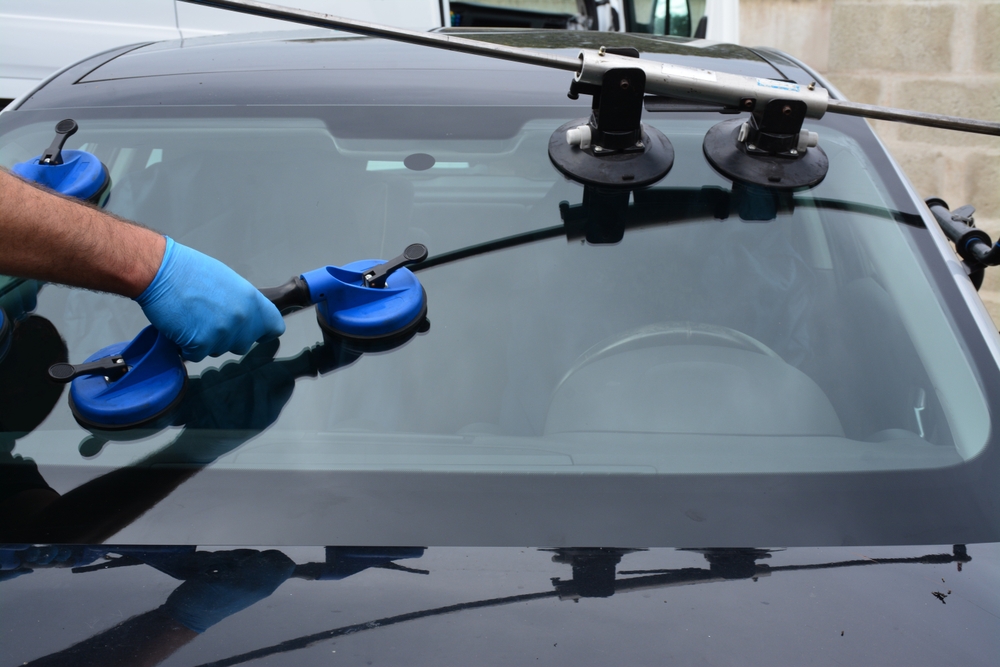
1. Recognize Common Types of Windshield Damage
- Bullseye: A circular impact mark with a darker center, often caused by a small object striking the glass.
- Star break: A central impact point with several short cracks extending outward.
- Combination break: A damaged area containing more than one pattern, such as a bullseye with radiating cracks.
- Stress crack: A line that can develop without a visible impact point, sometimes due to temperature changes, pressure, or existing weaknesses.
- Edge crack: A crack that begins near the windshield's outer edge and may spread across the glass.
- Surface chip: A small area where a piece of the outer glass layer has broken away.
2. Check the Size, Depth, and Location of the Damage
Not every chip or crack requires the same response. Drivers should consider three important factors: size, depth, and location.
A small chip may be suitable for repair in some circumstances, while a longer crack or damage involving multiple layers of glass may require replacement. The depth of the damage also matters because a windshield consists of laminated glass layers.
Location is equally important. Damage in the driver's direct line of sight can affect visibility even when the affected area appears relatively small. Cracks near the windshield's edges may also require closer attention because they can affect the glass's structural integrity.
A professional inspection can help determine whether repair is appropriate or whether replacing the windshield is the better option.
3. Look for Windshield Damage Signs That May Worsen
Recognizing common windshield damage signs can help drivers identify changes early, including spreading cracks, expanding chips, and damage that begins to affect visibility.
Other signs to watch for include:
- Multiple impact points appearing in the same area
- Cracks becoming more noticeable in direct sunlight
- Distorted or obstructed views through the glass
- New cracks appearing after sudden temperature changes
- Damage extending toward the windshield's edges
These signs do not automatically mean that replacement is necessary, but they indicate that the glass should be evaluated. Avoid pressing on the damaged area or exposing it to sudden temperature changes while waiting for an inspection.
4. Understand What Can Cause Windshield Damage to Spread
A minor chip can expand under certain conditions. Temperature fluctuations are one possible factor. For example, using very hot defrost air on a cold windshield or applying cold water to hot glass may create temperature stress.
Road vibrations, potholes, rough driving conditions, and additional impacts can also contribute to crack expansion. Even normal vehicle movement may place stress on an already weakened area.
Drivers should avoid slamming doors, driving over rough surfaces unnecessarily, or delaying an inspection when damage is visible. These precautions cannot guarantee that a crack will stop spreading, but they may help avoid additional stress on the glass.
5. Determine Whether Windshield Repair or Replacement Is Needed
The decision between repair and replacement depends on the type and extent of damage, its location, and the vehicle manufacturer's requirements.
Repair may be considered when the damage is relatively small, limited to an appropriate area, and does not interfere with the driver's visibility. Replacement may be recommended when the windshield has extensive cracking, deep damage, multiple affected areas, or damage near critical edges.
Modern vehicles may also have cameras, sensors, or advanced driver assistance systems (ADAS) mounted near the windshield. If the glass is replaced, these systems may require recalibration according to the vehicle manufacturer's specifications.
When replacement is necessary, the glass should meet applicable federal requirements for automotive glazing. Drivers can review Federal Motor Vehicle Safety Standard No. 205 to learn more about safety requirements for motor vehicle glazing materials.
Drivers should rely on a qualified auto glass technician to evaluate the damage rather than making the decision based only on appearance.
6. Know When to Seek Professional Windshield Inspection
A professional inspection is useful whenever a crack or chip affects visibility, appears to be spreading, or is located near the windshield's edges. Drivers should also seek an assessment when they are unsure whether the damage is limited to the outer glass layer or extends deeper.
An experienced technician can examine the affected area, consider the vehicle's specifications, and explain the available options.
Drivers looking for windshield replacement in the Bronx NY should share their vehicle's year, make, model, and details about any built-in cameras or sensors when requesting an inspection. This information can help the auto glass provider identify the correct replacement glass and determine whether additional calibration may be needed.
7. Take Practical Steps to Protect Your Windshield
Although not all windshield damage can be prevented, a few habits may reduce the risk of avoidable problems:
- Maintain a safe following distance behind trucks and other vehicles that may kick up road debris.
- Avoid sudden temperature changes when the windshield is hot or cold.
- Address small chips promptly instead of waiting for them to spread.
- Use appropriate cleaning materials to avoid scratching the glass.
- Check the windshield periodically for new chips, cracks, or visibility issues.
- Arrange professional inspections when damage is noticeable.
Regular attention can help drivers identify problems early and understand when professional service is needed.
Conclusion
Identifying windshield damage early helps drivers make informed decisions about repair and replacement. By recognizing common crack patterns, checking the size and location of the damage, and watching for signs of spreading, vehicle owners can better understand the condition of their windshield.
When damage affects visibility or raises concerns about structural integrity, a professional inspection is the right next step. Drivers in the Bronx can contact Arco Auto Glass to discuss their windshield concerns and determine whether repair or replacement may be appropriate for their vehicle.