Is Yoga Teacher Training Worth It in 2026? Costs, Benefits and Career Options
Yoga teacher training can be worth the investment in 2026 if you want to deepen your personal practice, develop teaching skills, or build a career in wellness. The right program provides structured learning in yoga postures, anatomy, breathing techniques, philosophy, and class instruction. Whether it offers good value depends on your budget, career goals, the quality of the training, and how you plan to use your certification.
What Is Yoga Teacher Training?
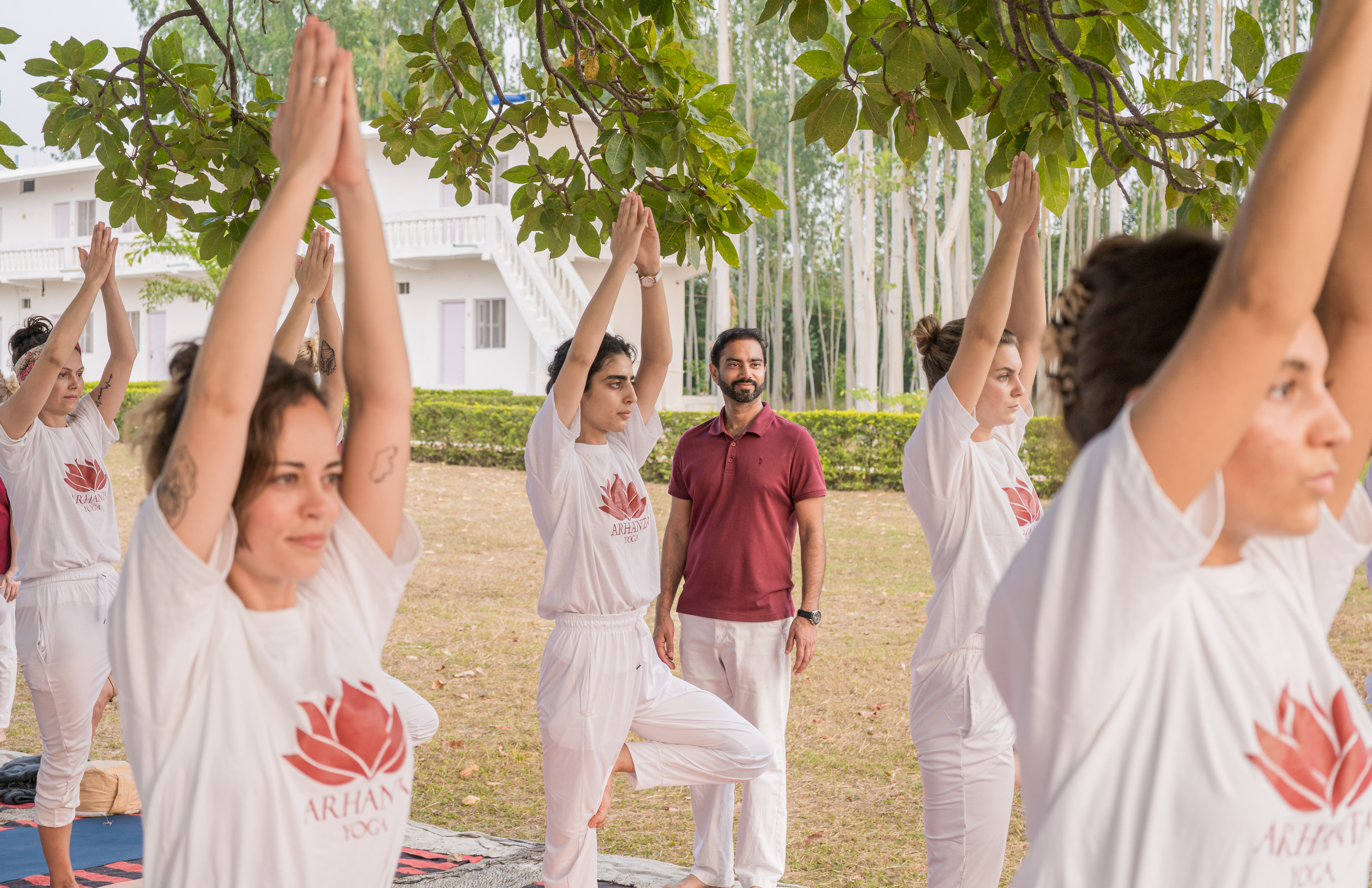
Yoga teacher training is a structured educational program that teaches students how to practice yoga safely, understand its principles, and guide others through classes. A 200-hour yoga teacher training course is a common starting point for people who want to teach professionally.
Most comprehensive programs cover:
- Asana practice: Learning yoga postures, alignment, modifications, and sequencing.
- Yoga anatomy: Understanding muscles, joints, movement, and common physical limitations.
- Pranayama: Studying breathing techniques and their role in yoga practice.
- Meditation: Developing concentration, awareness, and relaxation skills.
- Yoga philosophy: Exploring traditional teachings and their relevance to daily life.
- Teaching methodology: Practicing verbal cues, class planning, demonstrations, and student support.
You do not necessarily need years of yoga experience before enrolling. However, a basic understanding of yoga and a willingness to learn can make the experience more rewarding.
How Much Does Yoga Teacher Training Cost in 2026?
The cost of yoga teacher training varies according to the location, duration, accommodation, teaching format, and reputation of the school. Online courses are often less expensive than residential programs, while international training may involve additional travel and living expenses.
Here is a general budgeting guide for prospective students.
| Training Format | Indicative Cost in 2026 |
|---|---|
| Online 200-hour training | $300–$1,500 |
| In-person training in India | $1,000–$3,000 |
| Residential training in Europe | $2,000–$5,000+ |
| Residential training in the USA | $2,000–$4,500+ |
These are broad planning estimates, not verified quotes. Actual fees vary considerably by school, location, inclusions, and course dates.
Before enrolling, check whether the quoted fee includes accommodation, meals, study materials, assessments, certification, and registration-related expenses. International students should also budget for flights, insurance, visas where applicable, and personal expenses.
A lower course fee does not always mean better value. The quality of instruction, supervised teaching practice, feedback, and student support can matter more than the headline price.
Five Benefits of Yoga Teacher Training
1. Build a Stronger Personal Practice
A regular yoga class may help you become familiar with poses, but teacher training explores why and how they are practiced. You learn about alignment, breathing, modifications, and the principles behind different sequences.
This knowledge can help you make more informed decisions about your own practice rather than simply copying a teacher.
2. Develop Confidence and Teaching Skills
Teaching yoga requires more than performing postures correctly. You must communicate clearly, observe students, adapt instructions, and create a class that feels manageable for different abilities.
Training gives you opportunities to practice these skills, receive feedback, and improve before leading classes independently.
3. Understand Yoga Beyond Physical Exercise
Many programs include yoga philosophy, meditation, and pranayama. These subjects provide a broader understanding of yoga as a practice involving attention, conduct, self-awareness, and physical discipline.
Students often find that this knowledge changes how they approach their daily routines, relationships, and personal wellbeing.
4. Explore Career Opportunities
Yoga certification can open doors to several professional paths, depending on your training, experience, and local requirements.
Possible options include:
- Teaching group classes at yoga studios.
- Offering private yoga sessions.
- Leading beginner-friendly or specialized classes within your qualifications.
- Teaching online classes or workshops.
- Working with gyms, wellness centers, or retreat providers.
- Creating yoga-related educational content.
- Continuing education in meditation, restorative yoga, or other specializations.
Certification is a starting point, not a guarantee of employment or income. Building a client base takes time, communication skills, and consistent effort.
5. Become Part of a Learning Community
Training often brings together people with different backgrounds and reasons for studying yoga. Practicing with others, exchanging feedback, and learning from experienced instructors can help you stay motivated and develop professional connections.
Is a 200-Hour Yoga Teacher Training Worth It for Beginners?
For beginners who want to teach yoga, a 200-hour program can provide a useful foundation. It introduces the practical and theoretical knowledge needed to begin teaching, although confidence develops through continued practice and experience.
Before choosing a course, ask yourself three questions:
- Do I want to teach? If your goal is professional instruction, a structured teacher training program may be appropriate. If you only want to improve your personal practice, regular classes or shorter workshops might be enough.
- Can I commit the time? Intensive residential programs require concentrated study, while part-time and online formats may allow greater flexibility.
- Does the course match my goals? Review the curriculum, teaching hours, instructor qualifications, assessment methods, and opportunities to practice teaching.
If you are comparing programs, explore the yoga teacher training worth it in 2026 by reviewing the curriculum, learning format, course fees, and practical teaching opportunities rather than relying on marketing claims alone.
How to Choose the Right Yoga Teacher Training Course
Choosing a school deserves careful research because the experience can influence both your practice and your future teaching.
Use this checklist before paying a deposit:
- Check the curriculum: Look for anatomy, philosophy, pranayama, meditation, and supervised teaching practice.
- Research the instructors: Review their training, teaching experience, and areas of expertise.
- Understand the certification: Check exactly what credential you receive and whether any additional registration requirements apply where you intend to teach.
- Review class sizes: Ask how much individual feedback and teaching practice students receive.
- Compare course formats: Consider residential, in-person, hybrid, and online learning options.
- Read independent reviews: Look for detailed accounts of teaching quality, organization, student support, and course expectations.
- Ask about additional costs: Confirm all required payments before enrolling.
Yoga Alliance registration is one credential-related consideration, but it is not a universal legal requirement for teaching yoga. Requirements vary by country, employer, insurance provider, and professional setting.
Career Options After Yoga Teacher Training
Yoga teaching can be a full-time career, a part-time source of income, or a skill that complements another profession.
| Career Path | What It Involves |
|---|---|
| Studio yoga teacher | Leading scheduled group classes |
| Private yoga instructor | Planning sessions for individual clients |
| Online yoga teacher | Teaching through live classes or digital programs |
| Retreat instructor | Teaching yoga during wellness retreats |
| Corporate yoga instructor | Offering classes in workplace settings |
| Yoga content creator | Producing educational videos, articles, or courses |
Income depends on your location, qualifications, teaching experience, class rates, and the number of paying students you can attract. New teachers may need time to build a reliable schedule, and earnings can fluctuate from month to month.
A practical way to begin is to teach a small number of classes, collect feedback, build professional relationships, and develop a clear teaching style before making a full-time career commitment.
Is Yoga Teacher Training Worth the Investment in 2026?
Yoga teacher training is most worthwhile when it supports a clear personal or professional goal. If you want to teach, a well-designed course can provide the foundation for building skills and gaining experience. If you want to deepen your practice, the study of anatomy, philosophy, breathing, and meditation may also make the investment meaningful.
The best decision is not necessarily to choose the cheapest or most expensive course. It is to find a program that fits your budget, offers sound instruction, includes practical teaching experience, and prepares you for the next step you want to take.
Frequently Asked Questions
1. Is yoga teacher training worth it in 2026?
Yes, it can be worthwhile if you want to teach yoga or develop a deeper understanding of the practice. The value depends on course quality, cost, personal goals, and how you apply what you learn.
2. How much does a 200-hour yoga teacher training course cost?
Costs vary by country and course format. Online programs may cost a few hundred dollars, while residential training can cost several thousand dollars. Check accommodation, meals, travel, and certification expenses separately.
3. Can beginners join yoga teacher training?
Many programs accept students without extensive yoga experience. Check each school's entry requirements and be prepared for regular practice, study, and feedback.
4. How long does it take to become a yoga teacher?
An intensive 200-hour course may take several weeks, while part-time or online programs can take months. Developing teaching confidence usually requires continued practice after graduation.
5. Can I teach yoga after completing a 200-hour course?
A 200-hour qualification is a common entry-level credential. Your ability to teach professionally may also depend on local rules, insurance, employer requirements, and any registration or additional training needed.
6. Can I earn a full-time income as a yoga teacher?
Yes, some teachers earn a full-time living, but income is not guaranteed. Earnings depend on class demand, location, experience, pricing, and the ability to develop a steady client base.
7. Is online yoga teacher training a good option?
Online training may suit students who need flexibility or have a limited budget. Check whether it includes meaningful feedback, supervised teaching practice, assessments, and clear support for students.